
Azores (Açores): Volcanic islands of the North Atlantic
A Portuguese archipelago of nine volcanic islands in the North Atlantic. The Azores form an autonomous region with distinct geology, endemic biodiversity, and an economy based on agriculture, fisheries and tourism.
Overview
The Azores, called in Portuguese Açores, are an archipelago of nine principal volcanic islands in the North Atlantic Ocean. They lie roughly 1,500 km west of Lisbon and about 1,900 km southeast of Newfoundland. Together with their surrounding waters and maritime zones, the islands make up the Autonomous Region of the Azores, one of Portugal's two autonomous regions. The group is also considered part of the Macaronesian island systems, which include other Atlantic archipelagos.
Image gallery
10 Images




Geography and geology
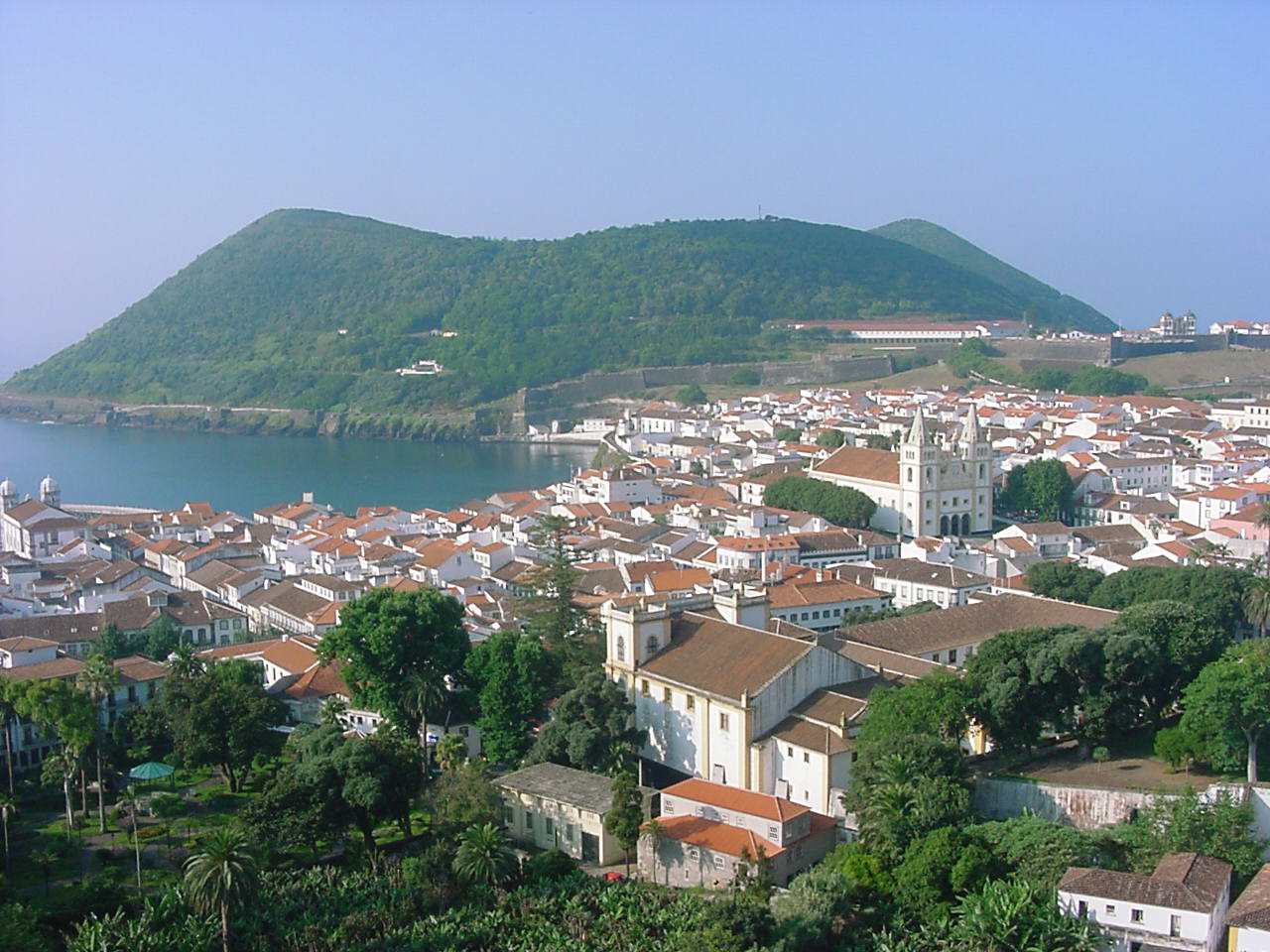
The Azores extend for more than 600 km along a northwest–southeast axis and are volcanic in origin. Located near the junction of tectonic plates, the islands display diverse volcanic landforms such as cones, calderas, lava fields, fumaroles and hot springs. Rich volcanic soils and varied relief produce steep coastal cliffs, sheltered bays and interior crater lakes that are characteristic of the islands.
Islands and groups
The nine main islands are conventionally grouped into three clusters. The Eastern group includes São Miguel and Santa Maria; the Central group contains Terceira, Graciosa, São Jorge, Pico and Faial; the Western group comprises Flores and Corvo. There are also numerous smaller rock outcrops and offshore stacks often referred to as islets or skerries.
Climate
The islands have a temperate maritime climate with mild temperatures year-round, frequent clouds and significant humidity. Weather is strongly influenced by ocean currents and the Azores High, producing variable conditions between coastal and higher interior zones.
Biodiversity and conservation
The Azores support unique island ecosystems with several endemic plants and bird species adapted to island habitats. Native laurel and other Macaronesian forest fragments survive in protected areas. Conservation measures, parks and reserves aim to protect seabird colonies, endemic flora and the marine environment while reconciling local land use with ecological restoration.
History and settlement
European discovery and settlement began in the 15th century, when Portuguese navigators colonized the islands and established agricultural estates and ports. Over centuries the islands developed distinct local cultures, dialects and maritime traditions shaped by oceanic trade and emigration to the Americas.
Economy and infrastructure
The regional economy blends agriculture (notably dairy and other livestock), fisheries, small-scale cultivation and growing nature-based tourism. Renewable energy sources, including geothermal and wind, have been explored and in places put into local use. Air and ferry connections link the islands to each other and to the Portuguese mainland; some airports have historically served transatlantic and military roles.
Culture, research and tourism
Local culture reflects Portuguese roots mixed with island traditions in music, crafts and cuisine. Tourism focuses on hiking, whale watching, geological features and rural experiences. Scientific research in volcanology, marine biology and island ecology often uses the Azores as a field laboratory for oceanic and island studies. For general background about the archipelago and its islands see resources on the archipelago, individual islands and the wider Macaronesia region. Additional administrative and visitor information is available from regional and national sources about the North Atlantic area.
- Main island groups: Eastern, Central, Western.
- Principal features: volcanic landscapes, crater lakes, thermal springs.
- Key concerns: habitat protection, sustainable tourism and marine resource management.
Questions and answers
Q: Where are the Azores located?
A: The Azores are an archipelago of nine volcanic islands in the North Atlantic Ocean, about 1,500 km (930 mi) west of Lisbon and about 1,900 km (1,200 mi) southeast of Newfoundland.
Q: How many islands make up the Azores?
A: There are nine major Azores islands and several very small islands (islets), making up a total of three main groups.
Q: What is the Exclusive Economic Zone associated with the Azores?
A: The Exclusive Economic Zone associated with the Azores forms the Autonomous Region of the Azores, one of two autonomous regions of Portugal.
Q: How far do the islands extend for?
A: The islands extend for more than 600 km (370 mi).
Q: In what direction do they lie?
A: They lie in a northwest-southeast direction.
Q: What region do they belong to?
A: The archipelago is part of Macaronesia Islands.
Q: How far away from Lisbon and Newfoundland are they located respectively?
A; They are located about 1,500 km (930 mi) west of Lisbon and about 1,900 km (1,200 mi) southeast of Newfoundland.
Tags
Related articles
Author
AlegsaOnline.com Azores (Açores): Volcanic islands of the North Atlantic Leandro Alegsa
URL: https://en.alegsaonline.com/art/7951
Sources
- ine.pt : "Census 2011"
- netbiome.org : "Azores"
- e-terra.geopor.pt : "Geochemistry of Volcanic Rocks from Faial Island (Azores)"
- worldcat.org : 1645-0388
- azoresweather.com : "Climate of the Azores islands"
- ine.pt : "Censos 2011 Resultados Preliminares 2011"