
Budō — The Japanese martial ways
Budō is a Japanese term for the modern martial 'ways' that combine fighting techniques with ethical, spiritual and educational aims; it includes arts such as judo, kendo, aikido and kyūdō.
Overview
Budō (literally "martial way") is a Japanese expression used to describe a family of modern martial arts that emphasize personal development as well as combative technique. The word itself is often introduced as a Japanese term for paths of discipline and is applied to a range of martial traditions that evolved from battlefield practice into systems taught in a dojo. In general usage budō contrasts with bujutsu (practical fighting skills) by stressing the suffix -dō, meaning "way" or "path", which implies an ethical, educational, or spiritual dimension beyond mere skill acquisition.
Image gallery
1 Image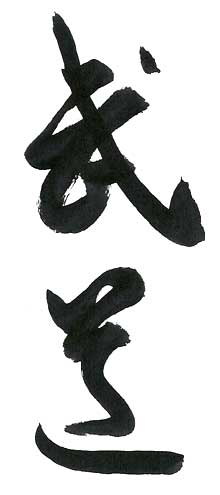
Core characteristics and training
Budō styles share several common features: a formal place of practice (dojo), established etiquette, a curriculum that often includes kata (prearranged forms) and partner training, and a system of ranks (kyū and dan) or certifications. Training varies by discipline but commonly balances technical drills, sparring or competitive rules, weapon practice where relevant, and philosophical or moral instruction. Many schools emphasize conflict avoidance and restraint, teaching students to seek de-escalation and to value life over victory; this approach is sometimes described with words such as nonviolence or moral responsibility. The influence of contemplative traditions, notably Zen, is visible in breathing, posture, concentration practices, and stress on present-moment awareness.
History and development
Budō has roots in the fighting arts of the samurai and other warrior classes. Over centuries, battlefield methods (bujutsu) were systematized and adapted to peacetime needs. During the late 19th and early 20th centuries many combative systems were reframed with an educational or national-cultural emphasis, producing the modern forms commonly grouped as budō. After World War II, several arts were further modified for international sport and physical education, while others retained a stronger focus on spiritual cultivation or traditional aesthetics.
Major disciplines and examples
Common arts categorized under budō include both unarmed and weapon-based practices. Well known examples are listed below; each has its own technical focus and cultural history:
- Aikido — emphasizes joint locks, throws, and blending with an attacker’s energy.
- Judo — a grappling-based system developed for sportive competition and self-defense.
- Jūkendō — practice with the bayonet, historically derived from military training.
- Kendo — the way of the sword as practiced with shinai and protective armour.
- Kyūdō — Japanese archery, practiced as a precision and meditative discipline.
- Naginata — training with a polearm, historically associated with battlefield formations and women’s practice.
- Shorinji Kempo — a hybrid system combining striking, throwing and Buddhist-influenced training.
- Sumo — a ritualized form of wrestling with deep Shinto and cultural roots in Japan.
Uses, social role and modern significance
Today budō serves multiple functions: it is a means of physical conditioning and self-defense, a vehicle for character education and discipline, a competitive sport in forms such as judo and kendo, and a cultural practice preserving traditional etiquette and arts. Dojos and federations worldwide teach budō to diverse populations; instructors often stress values such as respect, perseverance, humility, and responsibility as much as technical ability. Some practitioners pursue budō primarily as sport, others as a path to personal growth or spiritual refinement.
Distinctions and notable facts
Important distinctions include dō (way) versus jutsu (technique): many historical systems retain the term jutsu to indicate a focus on practical combat, while those styled as dō signal an added ethical or educational aim. Another point is the wide variation among arts grouped under the budō label—some are full-contact competitive sports, others are largely ceremonial or meditative. For further reading on terminology, lineage, and individual arts, consult specialized sources and governing bodies associated with each discipline; general introductory resources and federation pages can help locate local dojos and qualified instructors (see representative links such as overview material).
Related articles
Author
AlegsaOnline.com Budō — The Japanese martial ways Leandro Alegsa
URL: https://en.alegsaonline.com/art/15098
Sources
- presentationzen.com : "Wisdom from the principles of Budō: Lessons for work & life"
- budo-world.org : "What is Budō?"
- academia.edu : "The Way to Virtue in Sport"
- aiki-kenkyukai.com : "Martial Arts x Self Defense"
- zen-buddhism.net : "Zen & martial arts"
- commons.wikimedia.org : Budō