
Sumo: Japan’s traditional full-contact wrestling and cultural sport
Sumo is Japan’s traditional full-contact wrestling where rikishi strive to force opponents out of the dohyō or make them touch the ground. It blends athletic contest, ritual, and centuries of history.
Overview
Sumo is a Japanese full-contact combat sport and a cultural tradition in which two competitors face off in a circular ring and aim to force the other out or make any body part other than the soles of the feet touch the ground. Each competitor, called a rikishi, wears a simple loincloth and follows strict rules and etiquette that reflect the sport's ceremonial origins.
Image gallery
10 Images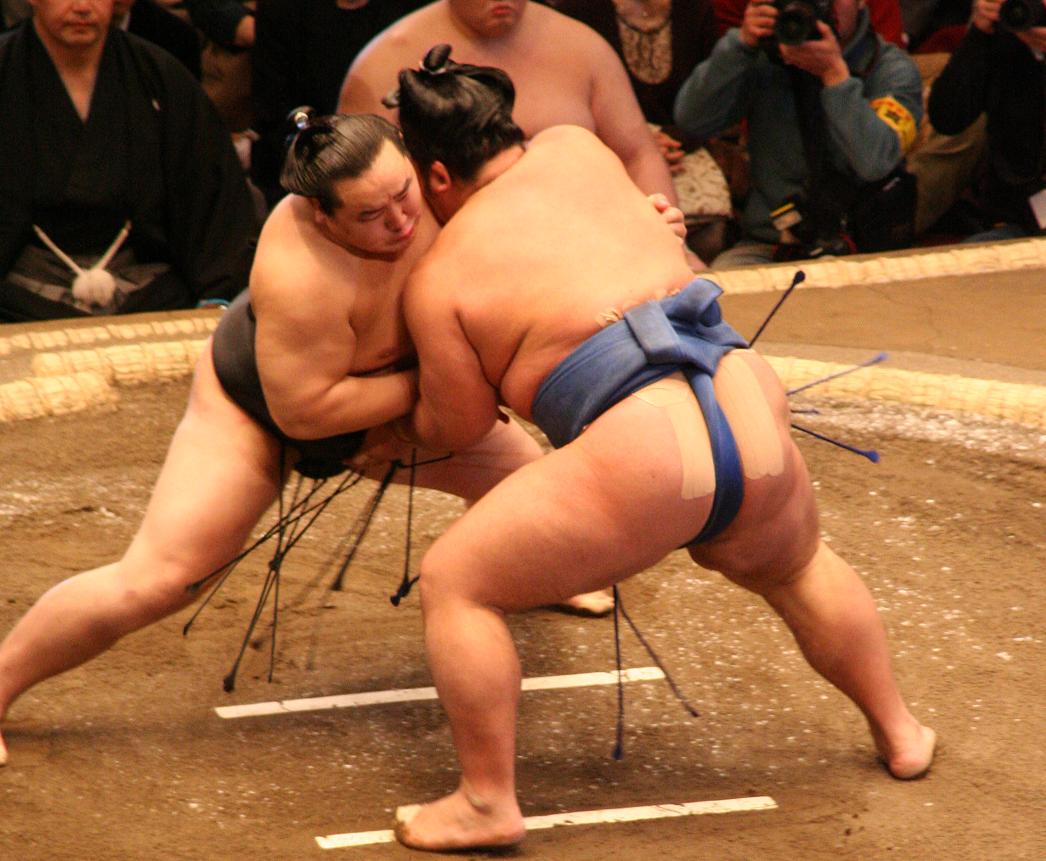




Rules and match format
Matches take place on a raised clay platform called the dohyō, a circle roughly 4.55 metres across. A single match usually lasts only a few seconds to a minute, beginning after a ritualized face-off. A bout is won when a rikishi is forced outside the ring or when any part of his body other than the soles of his feet touches the ground. There are many permitted techniques (kimarite) — pushes, throws, and trips — but hair-pulling, eye-gouging and striking with a closed fist are forbidden. Matches are judged by a referee (gyōji) and a panel of ringside judges who can review close decisions.
Professional tournaments and ranking
Professional sumo competition is organized around official tournaments called basho. There are six major tournaments each year, traditionally held in a cycle of cities: Tokyo, Osaka, Nagoya, and Tokyo and Osaka recurring in the schedule. Each tournament runs for 15 days and features several divisions. The top division, Makuuchi, has a fixed number of wrestlers and includes the highest ranks: yokozuna, ōzeki, sekiwake, komusubi and maegashira. Performance in each basho determines promotion and demotion, establishing a hierarchical professional structure that is central to the sport.
History and cultural significance
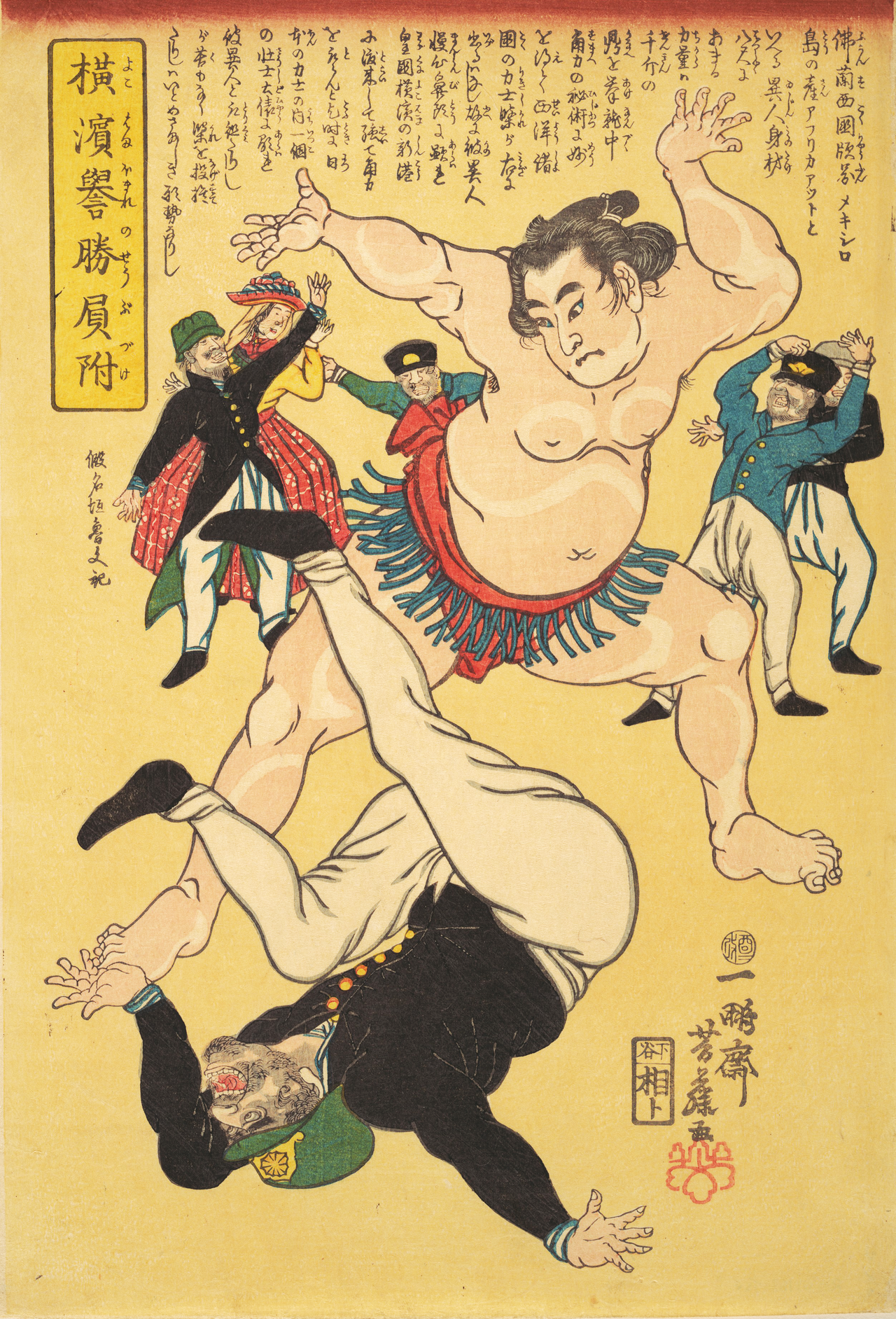
Sumo developed from ancient ritualized forms of combat performed at Shinto shrines and imperial courts. Over centuries it evolved into a codified spectacle combining athletic contest with religious ceremony. Many elements that spectators see today — ceremonial salt throws, ritual stomps, and the formal attire of officials — derive from Shinto purification rites. Sumo remains a high-profile symbol of Japanese heritage and draws wide public interest, with sumo stables (heya) forming tight-knit training communities.
Training, lifestyle and ceremony
Life as a professional rikishi involves rigorous daily training, strict hierarchical discipline, and communal living in a stable where duties include not only practice but also chores and public duties. Wrestlers follow specialized diets and weight-building practices while maintaining training for speed, balance and technique. Tournaments begin with a parade of top-ranked wrestlers and include a sequence of rites that emphasize formality and respect, making each bout not only a contest but a staged cultural performance.
Notable facts and distinctions
- Sumo combines sport, ceremony and cultural symbolism more closely than most modern competitive pursuits.
- Although traditionally Japanese, sumo has attracted successful foreign-born rikishi who have reached the sport's highest ranks.
- The yokozuna rank is unique: a promoted yokozuna is expected to uphold dignity and may not be demoted; retirement is required if the wrestler can no longer perform at that level.
For those interested in experiencing tournament schedules, etiquette or the biographies of notable wrestlers, official resources and introductory guides provide practical information for visitors and fans.
Related articles
Author
AlegsaOnline.com Sumo: Japan’s traditional full-contact wrestling and cultural sport Leandro Alegsa
URL: https://en.alegsaonline.com/art/94829
Sources
- commons.wikimedia.org : Sumo
- books.google.com : "Sumo"
- books.google.com : "Yokozuna (Sumo Grand Champions)"
- books.google.com : "Chiyonofugi"
- sumodb.sumogames.com : Konishiki Yasokichi
- sumo.goo.ne.jp : "Akebono"