
Bunker: fortified military shelters, design, history, and modern uses
A bunker is a fortified shelter—often below ground—used for protection and command. This article explains design, variants, historical roles in major wars, Cold War civil defense, and present-day significance.
A bunker is a fortified shelter built to protect people, weapons or equipment from attack and environmental hazards. In military contexts the term often refers to hardened structures designed for defense, observation or command. Some bunkers are excavated below ground for concealment and blast protection, while related structures such as blockhouses are constructed above ground and offer similar defensive roles.
Image gallery
10 Images
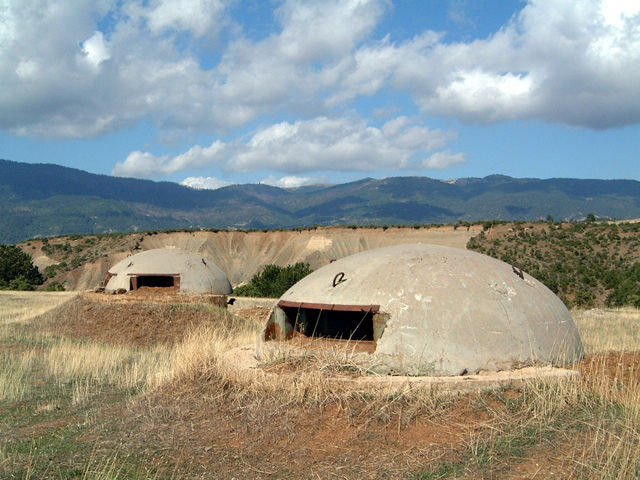


Design and typical features
Bunkers vary in size from small firing positions to multiroom complexes. Common elements include reinforced walls and roofs, limited entry points, firing apertures or embrasures, and systems for ventilation and drainage. Materials typically used are poured concrete, steel and earth cover, often combined to absorb and deflect blast energy. Designers balance protection, habitability and lines of sight.
History and battlefield importance
Bunkers and dug-in fortifications became prominent with modern industrial warfare. Early twentieth-century conflicts highlighted their value for static defense and troop protection. They were widely employed during World War I and again in World War II, where networks of pillboxes, underground command posts and coastal batteries shaped campaigns and influenced tactics.
Cold War and civil-defense use
During the Cold War many countries built hardened shelters for political leaders, military units and, in some cases, civilian populations because of fears about a possible nuclear exchange. These projects ranged from private family shelters to government command centers intended to survive blast and fallout. Concerns about nuclear war prompted planning, stockpiling and construction of diverse protective spaces and procedures.
Types, uses and examples
- Field bunkers and pillboxes: small, quickly built positions for infantry.
- Fortified emplacements: permanent concrete structures for guns or observation.
- Underground complexes: larger, multiroom bunkers used as headquarters or shelters.
- Civil and private shelters: built for continuity of government or civilian protection.
Legacy, preservation and modern relevance
Many wartime bunkers remain as historical sites, some converted into museums, storage spaces or emergency facilities. Others are abandoned and studied by archaeologists and historians. Today the concept of hardened shelter endures in military engineering, critical-infrastructure design and disaster preparedness, though materials and threat assessments have evolved. For more on fortification concepts see fortification and related military engineering discussions. Additional reading on the era of bunker construction is linked to Cold War studies and civil defense responses to the threat of nuclear war.
Questions and answers
Q: What is a bunker?
A: A bunker is a military building designed for fortification which can be either built above or below ground.
Q: What is the difference between a bunker and a blockhouse?
A: Blockhouses are also military buildings like bunkers but they are usually built above ground.
Q: For what purpose were bunkers built during World War I and World War II?
A: Bunkers were built for fortification purposes during World War I and World War II.
Q: What was the role of bunkers during the Cold War?
A: Bunkers were built during the Cold War as protection for important political figures and for the general public due to the fear of a nuclear war.
Q: Were bunkers only built for military purposes?
A: No, bunkers were also built for civilians like the general public.
Q: Why were bunkers important during the world wars?
A: Bunkers were important during the world wars as they were used for fortification purposes.
Q: What is the significance of building bunkers during the Cold War?
A: Building bunkers during the Cold War provided safety for important political people and the general public because of the fear of a nuclear war.
Related articles
Author
AlegsaOnline.com Bunker: fortified military shelters, design, history, and modern uses Leandro Alegsa
URL: https://en.alegsaonline.com/art/15331
Sources
- archives.queensu.ca : An archival look at World War I
- pillbox-study-group.org.uk : Why Pillbox?