
Nonviolence: principles, methods, history and contemporary practice
Nonviolence is a philosophy and strategy that rejects physical force and promotes peaceful methods—education, civil disobedience, conscientious objection and other tactics—to pursue moral and political change.
Nonviolence describes both an ethical stance and a set of social and political practices that reject the deliberate use of physical force to harm people. As a guiding philosophy, it emphasizes resolving conflicts through noncoercive means and seeks to prevent injury to opponents, bystanders and institutions. Nonviolence is distinct from mere passivity: it often requires disciplined planning, personal courage and active engagement to change ideas, laws or social arrangements without resorting to violence.
Image gallery
9 Images




Core principles and aims
At its heart, nonviolence rests on several interrelated principles: respect for human life, the moral preference for persuasion over coercion, and the belief that lasting change is best achieved without reciprocal harm. It rejects physical violence while accepting a range of alternative measures, including public education and moral argument. Proponents also frequently argue that nonviolent methods reduce the human costs of conflict and can weaken systems of authority by appealing to wider public opinion.
Common methods and tactics
Nonviolent action encompasses many techniques. Movements and individuals often combine several tactics to press for change:
- Education and information campaigns to change hearts and minds;
- Persuasion and dialogue aimed at converting or negotiating with opponents;
- Civil disobedience, deliberate law-breaking to expose injustice and provoke reform;
- Economic measures such as strikes, boycotts and noncooperation to apply pressure;
- Conscientious objection to military service and refusal to participate in violent institutions;
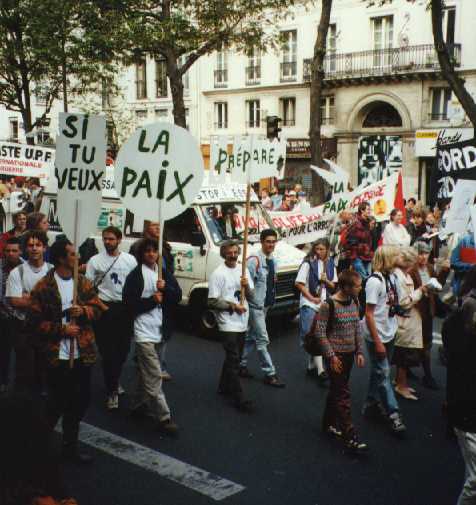
- Public demonstrations and vigils that remain nonviolent to assert visibility and solidarity—though such demonstrations can at times attract violent responses from others.
Historical and religious roots
Nonviolent ideas appear across cultures and religions. Some communities have embedded nonviolence into doctrine or practice: the Jain tradition and its principle of Ahimsa emphasize non-harming in thought and action, and Jainism is widely associated with strict adherence to that ideal. Christian groups such as the Society of Friends are known for pacific testimony rooted in faith. Throughout history, individuals motivated by spiritual conviction or ethical reasoning—ranging from ascetic figures to political leaders—have adopted nonviolent approaches as both a personal and collective path.
Uses, examples and contemporary relevance
Nonviolence has been used as a pragmatic tactic and as a moral commitment. It has shaped social movements that sought voting rights, civil liberties, national independence and labor reforms. Modern activists also apply nonviolent methods to environmental campaigns, human rights advocacy and community organizing. Supporters of animal welfare sometimes connect nonviolence to dietary choices: many who oppose violence toward animals follow a vegetarian or vegan diet and engage with animal rights causes.
Distinctions and important considerations
Nonviolence should be distinguished from absolute pacifism—some adherents refuse all forms of force in any circumstance, while others adopt nonviolence strategically to achieve specific goals. Nonviolent action can be risky: practitioners sometimes face arrests, physical danger, or deliberate provocation intended to discredit movements. Legal protections for nonviolent expression vary by jurisdiction, and success depends on organization, public response and the willingness of authorities to change.
In practice, nonviolence combines moral conviction and tactical planning. Whether motivated by faith, ethics, or strategy, it remains a prominent means for people and groups seeking social change without inflicting physical harm.
Questions and answers
Q: What is nonviolence?
A: Nonviolence is a philosophy that rejects the use of physical violence.
Q: What methods do people who practice nonviolence use to express their beliefs?
A: People who practice nonviolence when expressing their beliefs may use methods like education, persuasion, civil disobedience, and conscientious objection to military service.
Q: Is a demonstration by a group of people in a public place permitted?
A: Yes, a demonstration by a group of people in a public place is permitted on the condition that it remain nonviolent.
Q: What happens when demonstrators are nonviolent but other people oppose them and behave violently?
A: Sometimes the demonstrators are nonviolent but other people who oppose them will come to the demonstration and behave violently to show their opposition.
Q: What are some religious movements that are known for the practice of nonviolence?
A: Some religious movements, such as the Society of Friends (Quakers) and Jainism with Ahimsa, are known for the practice of nonviolence.
Q: Are there people who adopt nonviolence in midlife?
A: Yes, there are people who adopt nonviolence in midlife, such as St. Francis of Assisi.
Q: Do people who eat a vegetarian or vegan diet and those who support animal rights oppose violence by humans against animals?
A: Yes, people who eat a vegetarian or vegan diet, and those who support animal rights, usually oppose any violence by humans against animals.
Related articles
Author
AlegsaOnline.com Nonviolence: principles, methods, history and contemporary practice Leandro Alegsa
URL: https://en.alegsaonline.com/art/70633