
Kyūdō: Japanese archery and the way of the bow
Kyūdō is the Japanese martial art of archery that combines technical shooting with ritual, discipline, and aesthetic form. It emphasizes posture, breath, etiquette, and the unity of archer, bow, and target.
Overview
Kyūdō (弓道) is the traditional Japanese martial art of archery often described as the "way of the bow". Rooted in the practices of samurai and competitive marksmanship, it is practiced today for physical skill, spiritual development, and cultural preservation. Kyūdō places strong emphasis on correct form, timing, and mindful presence.
Image gallery
10 Images


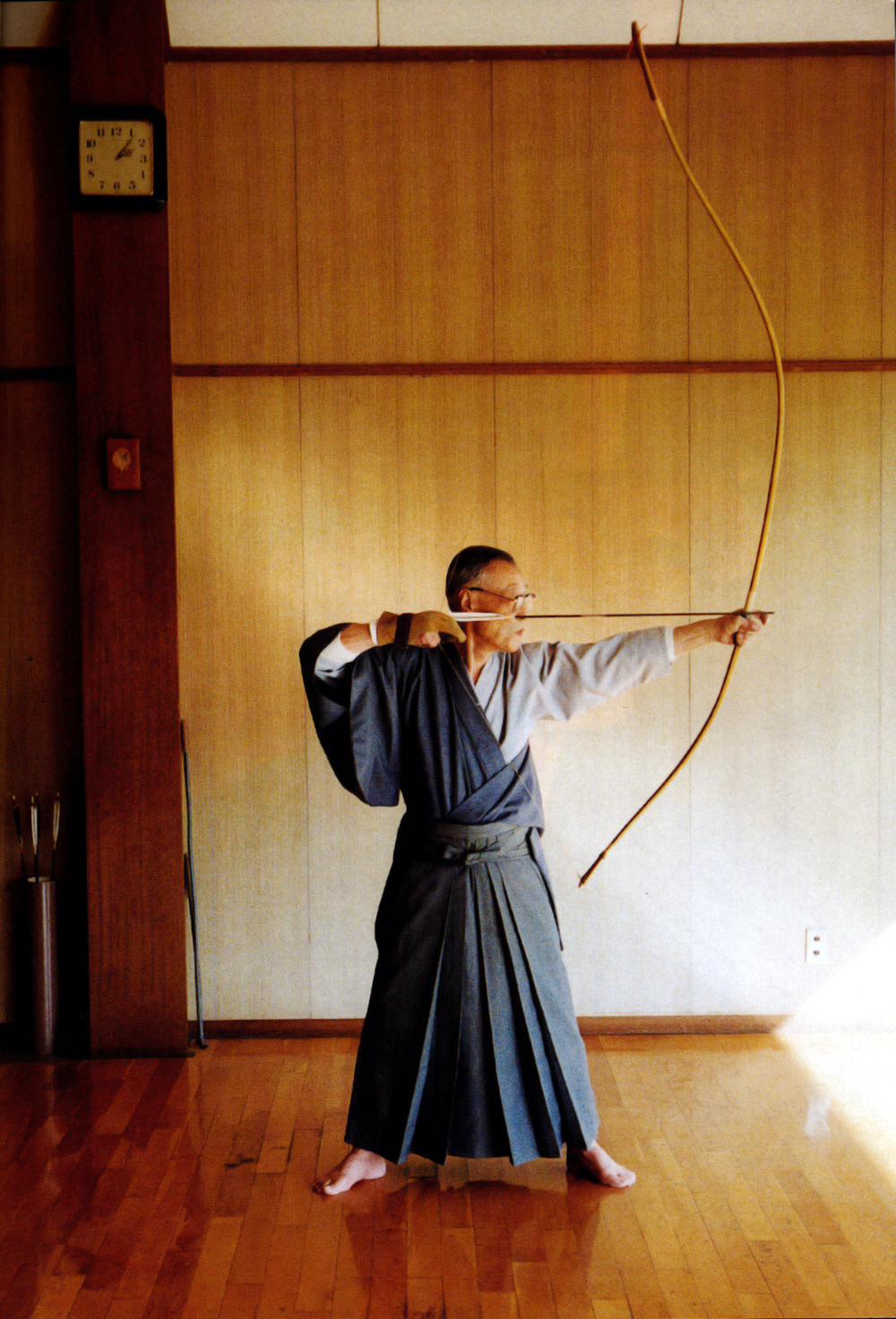


Technique and equipment
Practitioners use a long asymmetrical bow called a yumi and arrows known as ya. Other common items include a glove (yugake) and a quiver. The shooting process is deliberate and codified; many schools teach the traditional eight-stage sequence called hassetsu, which structures the archer’s movements from stance and draw to release and conclusion.
- Yumi: distinctive long Japanese bow.
- Ya: bamboo or modern arrows.
- Yugake: archer’s glove for protection and control.
History and development
Archery in Japan evolved from battlefield technique into a disciplined art. Over centuries, ritualized forms emerged alongside military use. During the modern period, kyūdō was systematized by schools and organizations that preserved classical methods while adapting training for recreational and educational settings.
Practice, etiquette, and aims
Kyūdō training combines physical repetition with etiquette: bows, formal entry and exit, and silent, focused practice. Goals can vary—some pursue accuracy and competition, others emphasize personal refinement, concentration, and moral development. Dojos often balance solo technique with group instruction and examinations.
Styles, competition, and contemporary presence
There are multiple styles and schools with different emphases on form, equipment, and ritual. Modern kyūdō appears in community clubs, schools, and international associations; it is practiced both as a sport and a meditative discipline. Visitors and learners often encounter demonstrations and structured lessons in Japan and abroad, reflecting its continued cultural importance in Japanese life.
Notable distinctions include the art’s dual character as both a combative tradition and a path to self-cultivation, where technical excellence and inner calm are pursued together.
Related articles
Author
AlegsaOnline.com Kyūdō: Japanese archery and the way of the bow Leandro Alegsa
URL: https://en.alegsaonline.com/art/54791
Sources
- books.google.com : "Kyudo"
- books.google.com : Kyudo: The Essence and Practice of Japanese Archery, p. 37
- books.google.com : p. 52