
Bullet-proof vest (body armor)
A garment worn over the torso to reduce injury from projectiles and fragments; available as soft or hard armor with different materials, threat ratings, uses, and limitations.
A bullet-proof vest, also known as body armor or body armour, is a protective garment worn over the chest and back to reduce injury from firearm projectiles and explosive fragments. Modern vests combine multiple layers of high-strength fibers or rigid plates to absorb and disperse the energy of incoming rounds. While often called "bullet-proof," no vest is invulnerable to all threats; design choices trade weight and flexibility for the level of protection offered. For a general introduction to protective garments see body armor.
Image gallery
10 Images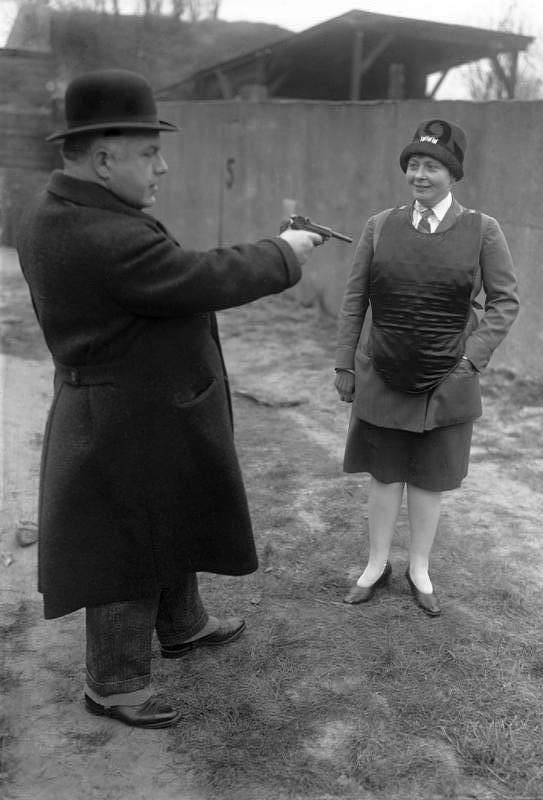

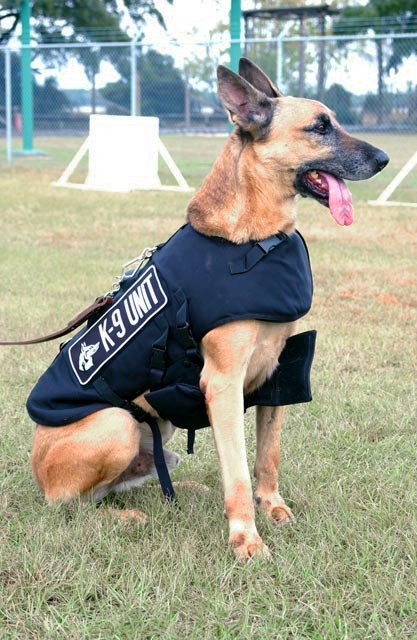


Materials and construction
Contemporary vests fall into two broad categories: soft armor made from woven or laminated fibers and hard armor using rigid plates. Common fiber materials include aramid fibers (Kevlar, Twaron), ultra-high-molecular-weight polyethylene (UHMWPE) (Spectra, Dyneema), and layered fabrics bonded with resins. Hard plates are often ceramic (alumina, silicon carbide) or metal (steel, titanium) with composite backing to stop high-energy rifle projectiles. A vest may combine soft panels with removable plate pockets to allow mission-specific configurations.
Types of protection and classifications
Soft vests are optimized to stop most handgun threats such as pistols and revolvers and to limit penetration by fragments from explosive devices. They are commonly worn by police and security personnel. For protection against rifle rounds, hard plates or plate carriers are required; these are standard issue for many soldiers and tactical units. Ballistic standards classify armor performance; in the United States the National Institute of Justice uses level ratings (IIA, II, IIIA, III, IV) to describe the types of ammunition a vest is tested to resist.
- Soft armor: flexible, concealable, resists most handgun cartridges and shrapnel.
- Hard armor: rigid plates designed to defeat rifle bullets and armor-piercing projectiles.
- Combination systems: soft panels with optional plate inserts for modular protection.
History and development
Body armor has roots in ancient personal armor, but modern ballistic vests emerged in the 20th century as new fibers and testing standards were developed. The introduction of aramid fibers in the 1960s enabled light, flexible vests that could stop handgun rounds. Over time, improvements in fiber technology, synthetic laminates and ceramic/composite plates have expanded protection while attempting to reduce bulk and weight.
Uses, limitations and practical considerations
Vests are widely used by law enforcement, military, private security, and civilians at elevated risk. They protect the torso from most handgun bullets (pistols, revolvers) and from fragments, but several important limitations remain. Soft panels generally will not stop high-velocity rifle bullets or armor-piercing projectiles (bullets) unless augmented by rated plates. Even when penetration is prevented, blunt trauma from energy transfer can cause internal injury. Coverage is typically limited to the torso; head, neck, and limbs require additional protection.
Selection, care and regulation
Selecting a vest requires matching certified performance levels to the expected threat, considering fit, weight and maneuverability. Buyers should consult manufacturer specifications and recognized test standards. Common maintenance guidance includes inspecting panels for damage, avoiding folding or creasing hard plates, following cleaning instructions, and replacing soft armor after the lifespan recommended by the manufacturer. Laws about civilian ownership and use of body armor vary by jurisdiction and may restrict possession of certain types.
Notable facts
- Vests are designed to protect the torso; they do not make the wearer invincible and are not equally effective against all ammunition types.
- Many modern vests use layered fibers or a hybrid of fibers and plates to create tailored levels of protection.
- Standards and test levels help purchasers understand the types of rounds a vest is designed to resist and are an important element of procurement and safety.
For additional resources and technical specifications, consult authoritative authorities and standards bodies, as well as manufacturers and suppliers in the field.
Questions and answers
Q: What is a bullet-proof vest?
A: A bullet-proof vest is a type of protective clothing that covers the torso of a person, including the chest, abdomen, and back. It protects the wearer from bullets from most pistols and revolvers, as well as fragments from explosive devices like grenades.
Q: Who wears bullet-proof vests?
A: Bullet-proof vests are worn by a variety of people, including police officers, soldiers, security guards, and those who are at risk of being shot, such as the leader of a country.
Q: What types of bullets can a bullet-proof vest protect against?
A: Bullet-proof vests can protect against most pistol and revolver bullets.
Q: Can a bullet-proof vest protect against all types of bullets?
A: No, bullet-proof vests cannot protect against all types of bullets, such as high-powered rifles or armor-piercing bullets.
Q: Are bullet-proof vests made of the same material as regular clothing?
A: No, bullet-proof vests are made of special material, such as Kevlar, that is designed to stop bullets.
Q: How do bullet-proof vests work?
A: Bullet-proof vests work by dissipating the energy of a bullet, spreading it out over a larger area and reducing its velocity. This reduces the force of impact on the person wearing the vest.
Q: Is it legal for civilians to wear bullet-proof vests?
A: It depends on the country and the jurisdiction. In some places, it is legal for civilians to wear bullet-proof vests, while in others it may be restricted or prohibited.
Related articles
Author
AlegsaOnline.com Bullet-proof vest (body armor) Leandro Alegsa
URL: https://en.alegsaonline.com/art/15249