
Bushwhacker (guerrilla fighter and ambusher)
A bushwhacker is an irregular fighter who uses ambushes and hit‑and‑run tactics—common in rough rural terrain during conflicts such as the American Revolutionary and Civil Wars.
Overview
A bushwhacker is an irregular combatant who relies on concealment, surprise and small‑unit ambushes rather than formal battlefield engagement. The term historically refers to fighters who operated in wooded, frontier or otherwise sparsely governed areas where conventional military control was limited. In general usage it denotes a style of guerrilla warfare characterized by quick attacks, withdrawal into cover, and attempts to wear down an opponent.
Image gallery
9 Images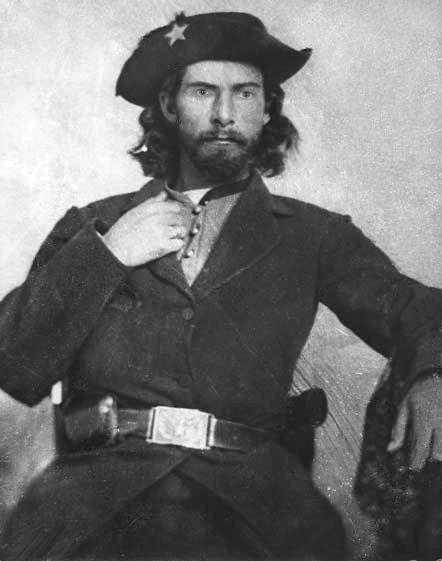





Typical characteristics
Bushwhacking emphasizes stealth and local knowledge. Fighters often used natural cover and improvised weapons, and blended into civilian populations. Key traits include:
- Ambush and surprise tactics rather than open combat.
- Small, mobile groups able to disperse quickly.
- Extensive use of local terrain and intelligence.
- Loose command structures and irregular legal status.
Historical development
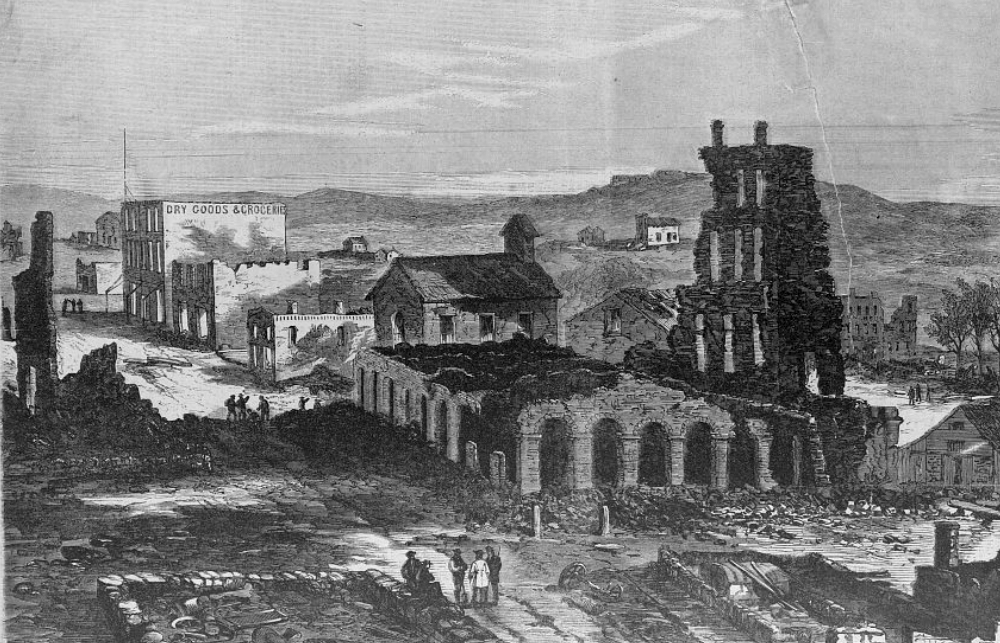
Variants of bushwhacking appeared in many conflicts. In North America the practice was noted during the American Revolutionary War and became particularly prominent in parts of the United States during the American Civil War, where divided loyalties in rural regions produced partisan bands and vigilante groups. Fighters called bushwhackers sometimes targeted military detachments, supply lines and political opponents, operating in areas where neither side had full control.
Tactics, examples and effects
Tactics include concealed firing positions, roadside ambushes, raids on patrols and sabotage of supplies. Such operations aimed at attrition and disruption rather than decisive pitched battles. The irregular nature of bushwhacking produced practical and moral dilemmas: it could be militarily effective but blurred lines between combatant and civilian, complicating rules of engagement and post‑war reconciliation.
Legacy and modern usage
The label "bushwhacker" has persisted in historical writing and popular culture to describe irregular ambush fighters. The concept is linked with the broader study of guerrilla warfare and partisan conflict. For historical context see accounts of the American Revolutionary War and the American Civil War, and studies of violence in rural borderlands. The wartime divisions between Union and Confederate sympathizers shaped many local bushwhacking episodes. In modern language, "bushwhacking" sometimes describes any ambush intended to inflict gradual losses or harass an opponent (attrition).
Further reading
Scholars and reference works explore bushwhacking from military, legal and social angles, including how communities coped with irregular violence and how post‑conflict societies dealt with perpetrators and victims.
Questions and answers
Q: What is bushwhacking?
A: Bushwhacking is a kind of guerrilla warfare that involves ambushes done with the goal of attrition.
Q: When did bushwhacking happen frequently?
A: Bushwhacking was common during the American Revolutionary War, American Civil War, and other wars with big areas of disagreeable land and few governmental resources to control them.
Q: In what locations was bushwhacking common during the Civil War?
A: Bushwhacking was common in rural areas during the Civil War where there were disagreements between those who liked the Union and Confederacy in the war.
Q: What were the perpetrators of the attacks called?
A: The perpetrators of the attacks were called bushwhackers.
Q: Is the term "bushwhacking" still used today?
A: Yes, the term "bushwhacking" is still used today to describe ambushes done with the goal of attrition.
Q: Why did bushwhacking happen frequently in rural areas?
A: Bushwhacking happened frequently in rural areas because there were disagreements between those who liked the Union and Confederacy in the war.
Q: Did governmental resources have an effect on bushwhacking?
A: Yes, bushwhacking happened frequently during wars with big areas of disagreeable land and few governmental resources to control them.
Related articles
Author
AlegsaOnline.com Bushwhacker (guerrilla fighter and ambusher) Leandro Alegsa
URL: https://en.alegsaonline.com/art/15600
Sources
- oxforddictionaries.com : Oxford Dictionary
- civilwarmo.org : Life of a Guerilla in Missouri