
Brothel
A brothel is an establishment where sex workers meet clients. Arrangements, services and legal status vary widely across jurisdictions and cultures.
A brothel is an establishment in which people engage the services of sex workers for payment. Such premises may operate openly as a bar, a nightclub, a hotel or a dedicated house. Common alternative names include bordello, house of prostitution and massage parlor; the precise meaning depends on local custom and law.
Image gallery
10 Images
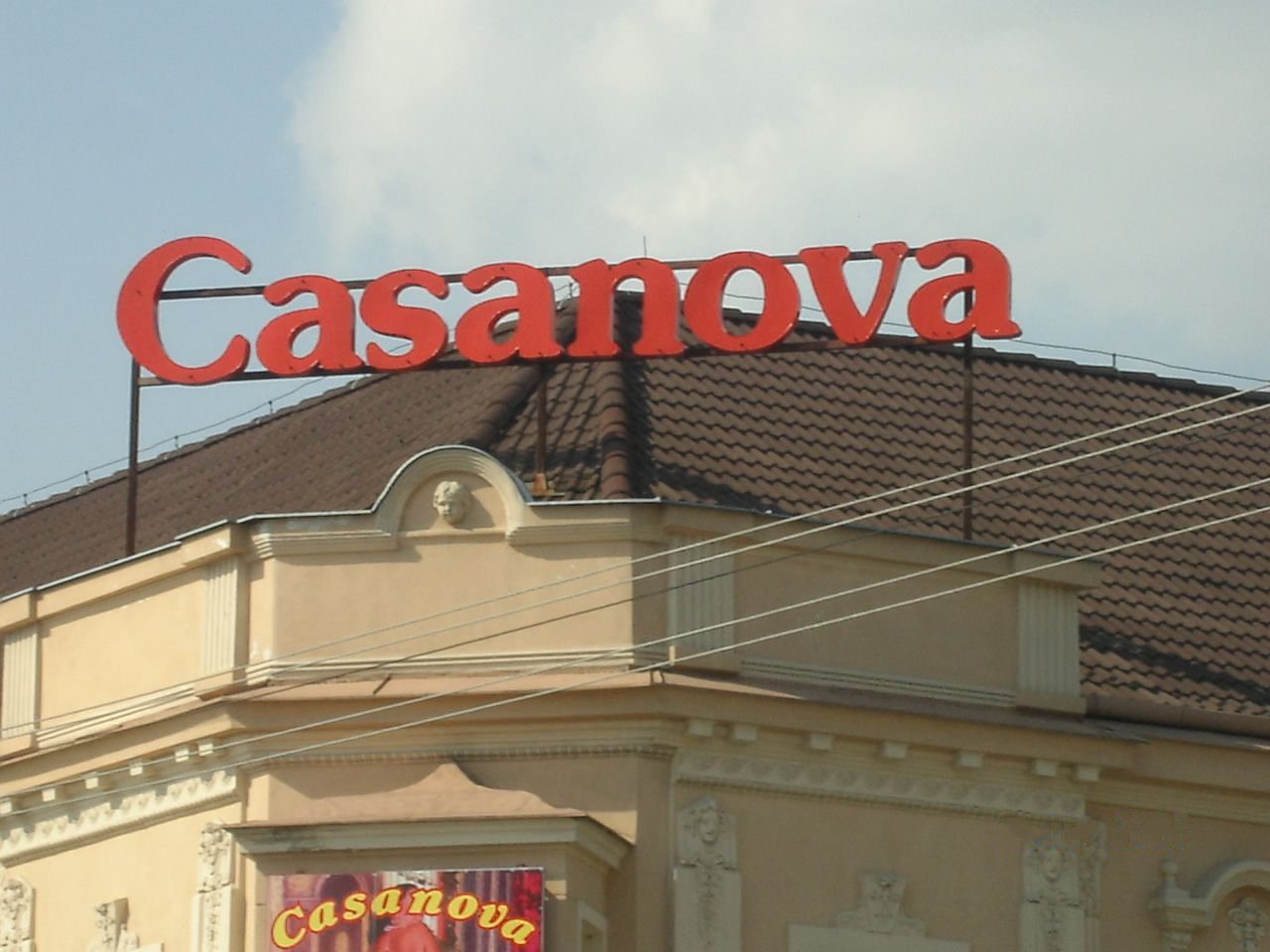


Overview
Brothels range from informal single-room operations to professionally managed businesses. They typically provide a place for meetings, negotiation of services and a degree of privacy. In licensed settings brothels may be subject to rules about health screening, hours of operation and advertising; in illegal contexts they are part of underground markets.
Typical characteristics:
- Managed premises with owner/operator oversight.
- Payment for specific services or time periods.
- Varying levels of security, screening and health measures.
- Different cultural and linguistic terms across regions.
The social role of brothels has evolved: in some eras and places they were tolerated or regulated as part of urban life; in others they were strongly stigmatized and driven underground. Historical red-light districts are common in many port cities and trade centers.
Regulation, uses and debates
Laws governing brothels differ widely. Some countries regulate sex work and license brothels, while many jurisdictions criminalize brothel-keeping or related activities. For example, licensed brothels operate in certain jurisdictions in Europe and in parts of the U.S. state of Nevada, whereas elsewhere brothel operation may be illegal. Health, safety and workers' rights are central concerns in public debates about regulation.
Proponents of regulated brothels argue they can improve safety, reduce exploitation and allow access to health services. Critics point to risks of coercion, trafficking and community impacts. Technology and social change have also shifted some activity toward online platforms and independent arrangements, altering the traditional role of physical brothels.
For further reading on related venues and social context see sources on bars and nightlife entertainment venues, worker rights labor and health, and comparative regulation policy summaries.
Related articles
Author
AlegsaOnline.com Brothel Leandro Alegsa
URL: https://en.alegsaonline.com/art/14751
Sources
- commons.wikimedia.org : Category:Brothels
- helleniccomserve.com : "Salamis, Tarts, Paedophilia and Pornikotelos - Hellenic Star, Thursday 07 September 2000"
- newint.org : "Liberating sex slaves in India] - New Internationalist, Issue 390, June 2006"