
Bullying: forms, causes, effects, and prevention
Bullying is repeated aggressive behavior toward someone perceived as vulnerable. This article explains types, dynamics, consequences, prevention strategies, and how to distinguish bullying from ordinary conflict.
Bullying is a pattern of intentional, repeated behavior in which one person or group harms, intimidates, or exerts power over another who is perceived as less able to defend themselves. It is defined by three core features: intent to harm, a power imbalance between the parties, and repetition over time. Bullying can occur in many settings — schools, workplaces, online platforms, neighbourhoods and families — and affects people of all ages. Responses vary by culture and legal context, and many jurisdictions now address bullying through policies, codes of conduct and sometimes law.
Image gallery
3 Images
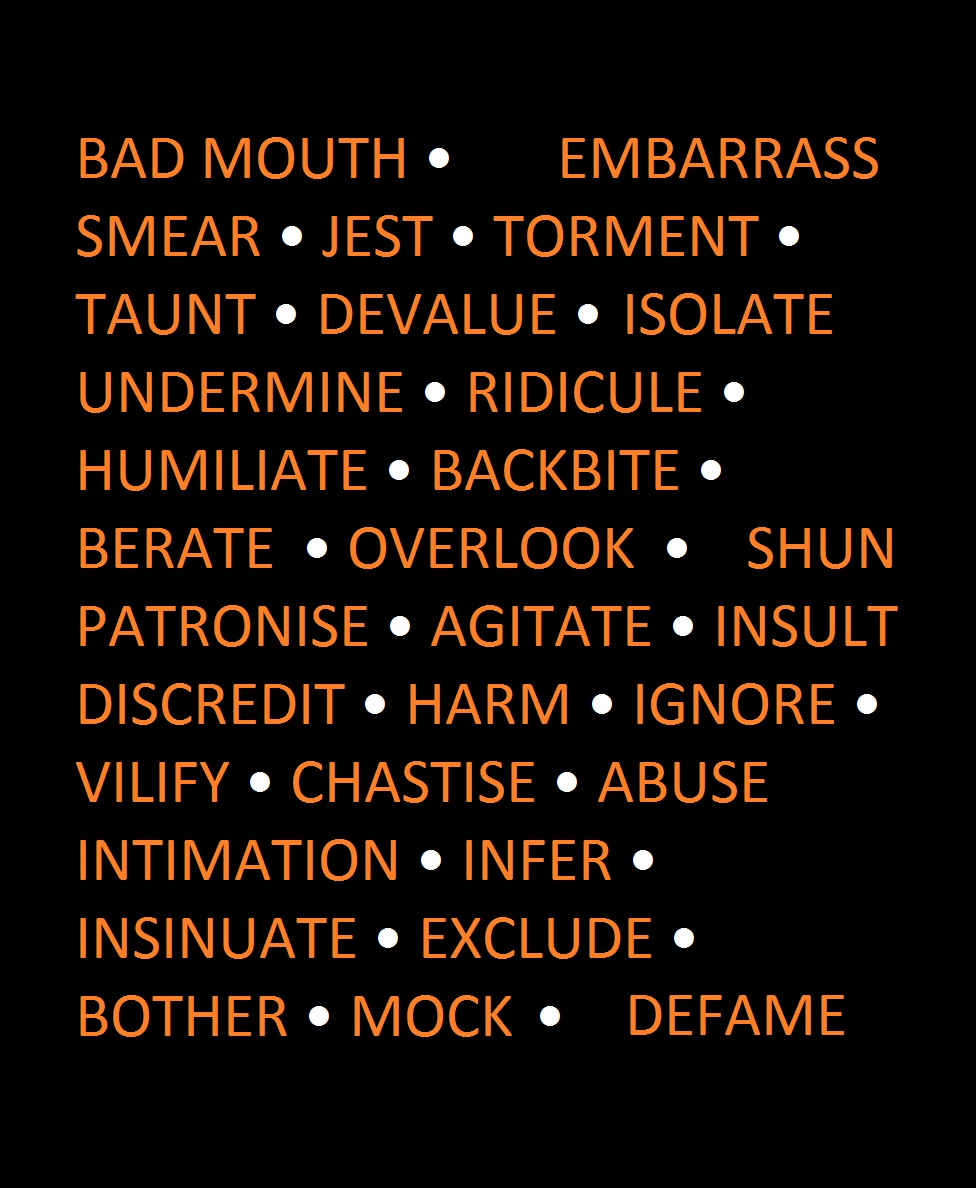

Common forms and characteristics
Bullying takes several distinct forms. They can overlap, and a single incident may include multiple elements.
- Physical bullying: hitting, pushing, damaging property or otherwise using physical force.
- Verbal bullying: name-calling, insults, threats and repeated teasing intended to demean.
- Social or relational bullying: exclusion, spreading rumours, manipulating friendships to isolate a target.
- Cyberbullying: abusive messages, humiliating posts, or sharing private information online; it can be persistent because digital content spreads quickly and can be hard to remove.
Roles and group dynamics
Bullying involves more than only the bully and the target. Bystanders — witnesses who do nothing — can inadvertently reinforce the bully’s power, while allies or upstanders who intervene can reduce harm. Some individuals occupy a mixed role: a "bully-victim" is someone who both bullies others and is bullied themselves. Social context, peer norms, and adult supervision influence whether bullying escalates or is stopped.
Understanding these roles helps shape response strategies. Training for teachers and staff and clear school or workplace policies can empower adults and peers to act; many institutions provide guidance and resources for intervention and support for educators and leaders.
Effects and importance
Bullying can cause immediate distress and longer-term harm. Targets commonly experience anxiety, depression, reduced self-esteem, sleep problems, and drops in academic or job performance. Persistent bullying may contribute to social withdrawal, substance use, and other health difficulties. Bullies themselves are at higher risk of future antisocial behaviour and may later experience relationship and legal problems. Because effects can be widespread, preventing bullying is a public-health and educational priority.
Prevention, intervention and legal context
Effective prevention combines clear rules, taught social skills, supportive relationships, and consistent consequences. Strategies include whole-school or workplace programmes that teach empathy and conflict resolution, structured supervision in settings where bullying is likely, and accessible reporting systems. Encouraging bystander intervention — showing people how to safely support targets or alert adults — is also effective.
Where behaviour crosses legal lines or becomes criminal (for example, harassment, threats, or hate-motivated acts), authorities may become involved. Many countries and regions have enacted specific policies or laws to address bullying and cyberbullying; details and remedies vary by jurisdiction and are subject to ongoing development about legal frameworks.
Distinguishing bullying from conflict
Not all hurtful interactions are bullying. Normal conflict between equals, one-time arguments, or playful teasing that both parties accept differ from bullying’s repeated, power-based harm. Responses should match the situation: mediation and problem-solving for peer conflict, and stronger protective measures when bullying is present.
Recognising patterns early, supporting targets, guiding bystanders to act, and holding perpetrators accountable can reduce harm and create safer environments for everyone.
Questions and answers
Q: What is bullying?
A: Bullying is when someone repeatedly hurts or intimidates someone who is considered weaker.
Q: Who are bullies?
A: Bullies are the people who bully other people.
Q: Can a group of people be bullied?
A: Yes, anybody can be bullied, even a group of people.
Q: What kinds of bullying exist?
A: There are many different kinds of bullying. It can include physical violence, but also things that people say or do. It's also bullying when other people see it but ignore it, or when a person helps the bully to do it without getting in trouble.
Q: How can we stop bullying?
A: School teachers and staff have tried to learn ways to stop bullying, and some countries and regions have laws against it as well. When people who see bullying know what to do and they do it, they can help make a bad situation better.
Q: Is there any way to hide bullying?
A: Unfortunately yes, sometimes bullying can be easy to hide.
Related articles
Author
AlegsaOnline.com Bullying: forms, causes, effects, and prevention Leandro Alegsa
URL: https://en.alegsaonline.com/art/15275
Sources
- simple.wiktionary.org : headlines
- books.google.com : School Bullying: New Perspectives on a Growing Problem, p. 5
- books.google.com : p. 6
- realpsychology.com : "Vulture Culture: How we encourage bullying" at realpsychology.com