
Bar (business): establishment serving alcoholic drinks, design, types, and regulation
A bar is a commercial premises where alcoholic drinks are prepared and served. This article explains layout, common types, services, regulation, brief history, and social roles.
A bar is a commercial business or physical building where alcoholic beverages and other drinks are prepared and served to customers. Typical offerings include bottled and draught beer, still and sparkling wine, and spirits or liquor. Bars may operate independently or as part of larger venues such as pubs and nightclubs, and many also provide small plates or snack food to accompany drinks.
Image gallery
10 Images


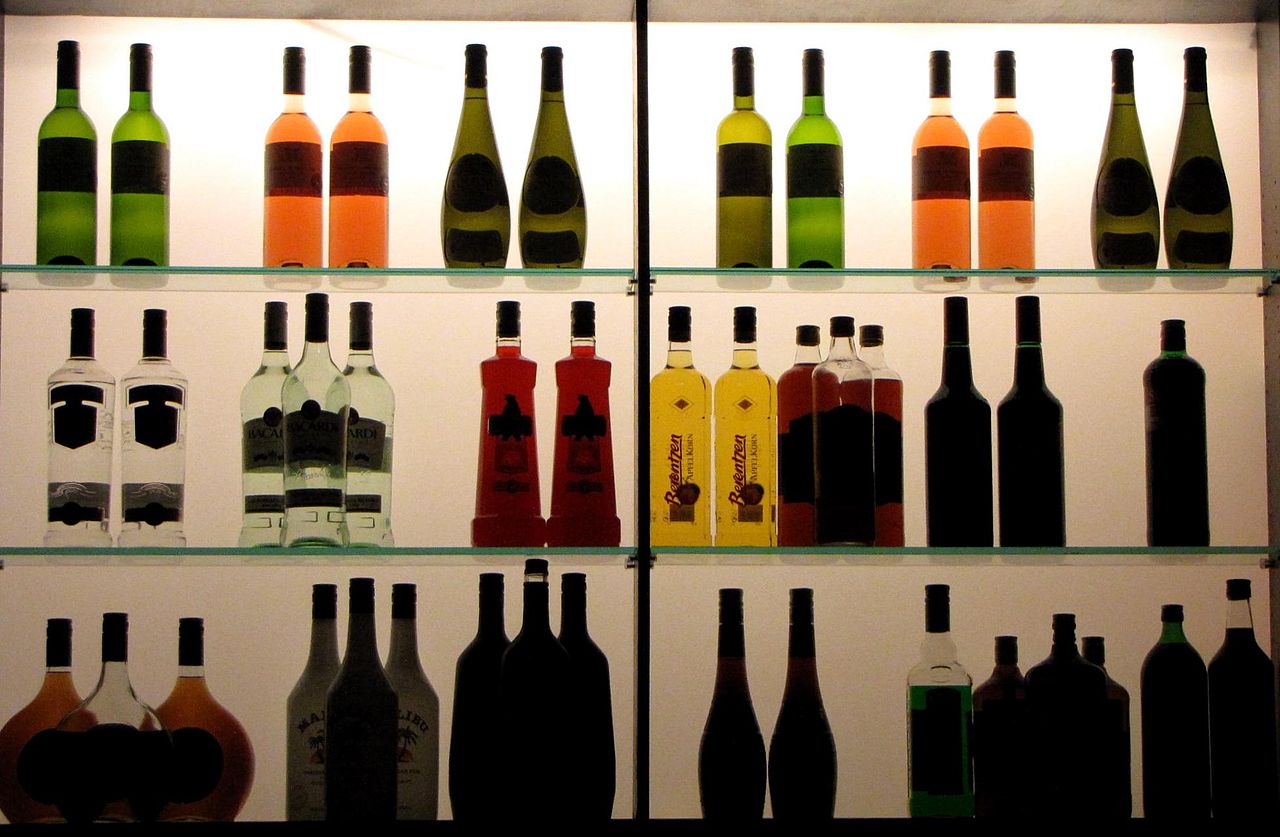


Layout and typical features
Most bars feature a long counter where bartenders mix and serve drinks, seating for patrons, and storage for glassware and bottles. The service area is usually designed for efficient drink preparation and often includes refrigeration and draft systems for beer. Simple accessories—like drink mats or coasters—are used to protect surfaces. Lighting, music and seating arrangement help define a bar's atmosphere.
Common types and services
- Cocktail bars and mixology-focused venues that emphasize crafted drinks.
- Wine bars that offer selections by the glass and by the bottle.
- Sports bars, hotel bars, dive bars, and neighbourhood pubs with varying price points and clientele.
- Bars inside restaurants or clubs where dancing and extended hours are common.
Many bars host special events such as tastings, trivia nights, or live music and may advertise time-limited promotions (for example, "happy hour").
History and development
Places for public drinking have existed in many cultures under names such as taverns, inns, and saloons. Over time these evolved into modern bars, influenced by social movements, changing tastes, and legal frameworks. In the 20th and 21st centuries the growth of cocktail culture, microbreweries and global spirits trends reshaped menus and techniques.
Regulation, safety and economic role
Bars are subject to licensing and regulation that govern opening hours, the sale of alcohol, and who may be served. Local or regional laws typically determine age limits, required permits and health standards. In some countries, sales of alcoholic beverages are subject to a liquor tax or other excise duties. Responsible service practices and staff training are frequently required to reduce risks associated with drunk driving and overconsumption.
Social significance and etiquette
Bars function as gathering places for socializing, business meetings, and cultural events. Expected behaviour varies by venue and culture: tipping or paying a service charge, ordering at the counter or from a table, and respecting staff and other patrons. When exploring bars in a new area it is useful to learn local customs and rules before visiting.
Further reading and resources: building examples, business models, beverage categories, drink terminology, beer styles, wine basics, spirit classes, pub distinctions, club venues, bar snacks, regulatory frameworks, taxation issues, service accessories.
Tags
Related articles
Author
AlegsaOnline.com Bar (business): establishment serving alcoholic drinks, design, types, and regulation Leandro Alegsa
URL: https://en.alegsaonline.com/art/8829