
British Mandate of Palestine (1920–1948)
British administration of Palestine under a League of Nations mandate (1920–1948). Oversaw immigration, institutions and infrastructure amid rising Arab and Jewish nationalisms, ending with the 1947 UN partition and 1948 war.
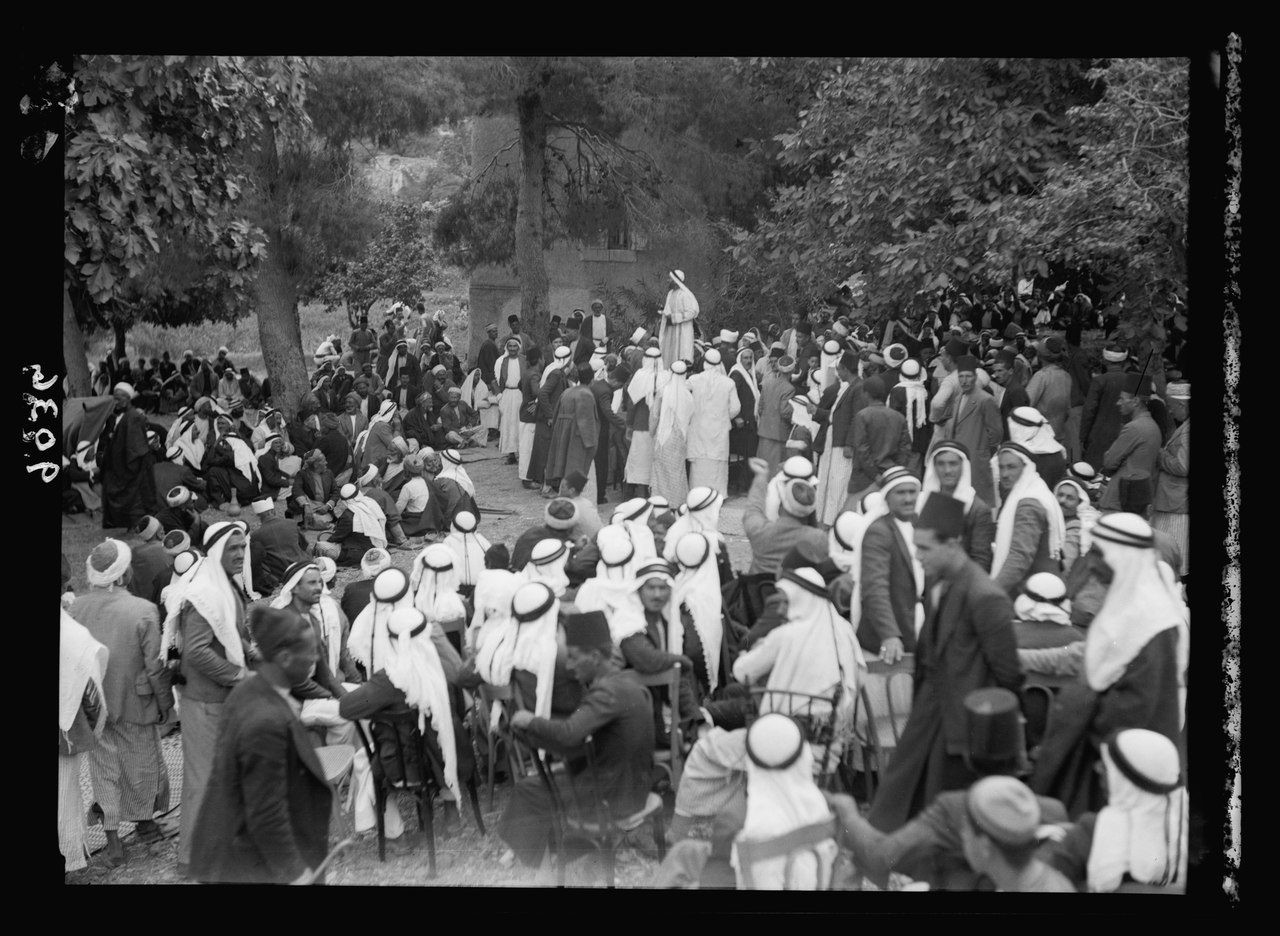
The British Mandate of Palestine was the administration placed over Palestine by the League of Nations and entrusted to the United Kingdom after British forces took control of the region from the Ottoman Empire during World War I. The mandate was assigned at the San Remo conference in 1920 and formally came into force in 1923. It governed the territory commonly referred to as Palestine until the British referred the question to the United Nations and withdrew in 1948.
Image gallery
10 Images





Legal basis and objectives
Under the mandate system, Britain was charged with administering the territory and preparing it for future self-government. The mandate text incorporated the 1917 Balfour Declaration principle of facilitating the establishment of a national home for the Jewish people, while also calling for the protection of the civil and religious rights of existing non‑Jewish communities. This dual obligation shaped official policy and was a frequent source of tension. The chief British official in Palestine was the High Commissioner, supported by a civil service and military garrison.
Territory, administration and Transjordan
The mandate covered the coastal and inland areas between the Mediterranean and the Jordan River. In 1921 the territory east of the Jordan River was administratively separated into the Emirate of Transjordan under distinct arrangements, while the mandate over the west bank continued to be administered directly by Britain. Local administrative structures included municipal councils, courts applying a mix of Ottoman, British and local law, and advisory bodies that represented different communities.
Demography, economy and institutions
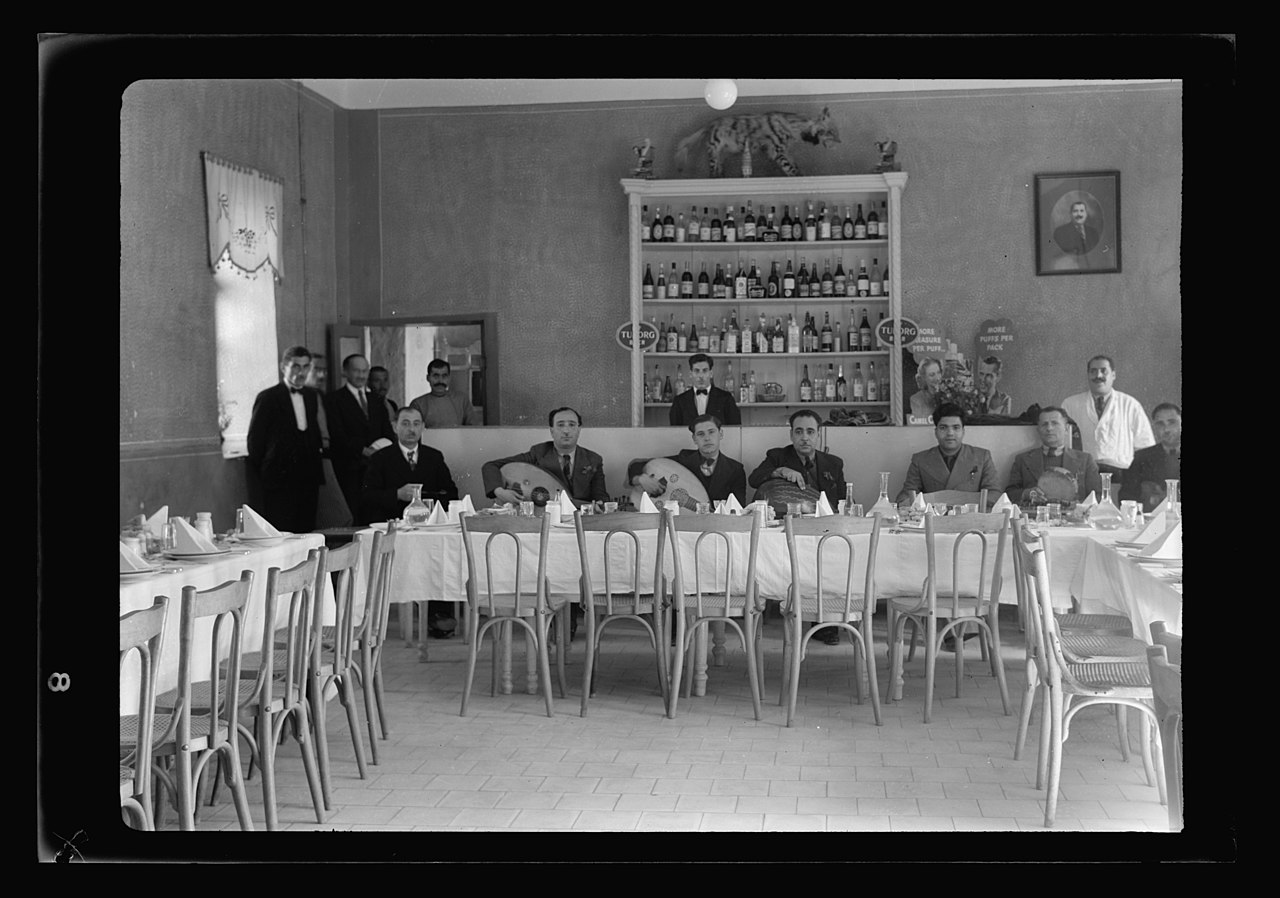
The period saw significant social and economic change: urban growth, expansion of infrastructure such as ports and roads, and development of modern public services. The population consisted of long‑established Arab Muslim and Christian communities, smaller minority groups, and a growing Jewish population that increased through waves of immigration (aliyah). Jewish communal institutions, notably the Jewish Agency, gradually developed political, economic and social structures that would later form the backbone of state institutions. British administrations worked with local leaders but often faced competing demands and limited resources.
Nationalisms and communal tensions
Competing nationalist aspirations—Arab calls for independence and Jewish aspirations promoted by the Zionist movement—produced recurring unrest. The 1920s and 1930s featured communal riots, strikes and organized revolts. The major Arab Revolt of the late 1930s prompted military responses, political inquiries such as the Peel Commission, and the 1939 White Paper which curtailed Jewish immigration and proposed limits on land transfer, altering British policy in ways that satisfied neither side.
Commissions, policy shifts and international context
British rule was marked by repeated attempts to reconcile contradictory commitments. Commissions of inquiry and policy papers sought solutions but often produced new controversies. International events influenced policy: British strategic and imperial priorities, developments in Europe, and later the impact of World War II and the Holocaust shaped public opinion and diplomatic pressures. After the war, calls for a just resolution intensified at the international level.
End of the mandate and 1947–48 transition
Facing unmanageable tensions and increasing violence, Britain referred the Palestine question to the United Nations, which proposed partition in 1947. Britain announced its intention to terminate the mandate and withdraw. On 14 May 1948 the Jewish leadership declared the State of Israel; the end of the mandate was followed by war between the new state and neighboring Arab forces. The termination of the mandate and the ensuing conflict produced significant population displacements and a regional political order that remained deeply contested.
Legacy and historical debate
The mandate era is central to modern Middle Eastern history. Scholars examine its legal provisions, administrative practices, patterns of migration and economic change, and the role of colonial policy in shaping nationalist movements. Debates continue about responsibility for outcomes, long‑term consequences for Palestinian Arab society, and the ways the mandate influenced borders, institutions and memory. Primary sources for study include League of Nations records, British official papers and contemporary accounts from Jewish and Arab organizations.
For archival and documentary research consult collections and overviews such as the League of Nations records, British governmental archives and official communications with the United Kingdom. Contextual background is available in sources on World War I and the decline of the Ottoman Empire. Political documents and correspondence include texts related to the Balfour Declaration, the responses of the Zionist movement and Arab political bodies, and the diplomatic debates that culminated at the United Nations. Further reading can address the economic and social history of Palestine, the administrative role of the British authorities, nationalist movements and their leaders (nationalist politics), wartime diplomacy and its aftermath (WWII), and the legal and political formation of the State of Israel in 1948.
Related articles
Author
AlegsaOnline.com British Mandate of Palestine (1920–1948) Leandro Alegsa
URL: https://en.alegsaonline.com/art/14275