
Balfour Declaration (1917): British support for a Jewish national home in Palestine
A 1917 British government statement endorsing a Jewish national home in Palestine. It shaped British policy, influenced the League of Nations Mandate, and affected the later Arab–Israeli conflict.
Overview: The Balfour Declaration was a brief public statement issued by the government of the United Kingdom during the First World War. It took the form of a letter dated 2 November 1917 from Foreign Secretary Arthur Balfour to Lionel Walter Rothschild, a leading British Zionist and banker. The letter expressed that His Majesty's Government viewed with favour “the establishment in Palestine of a national home for the Jewish people” while also indicating that nothing should prejudice the civil and religious rights of existing non-Jewish communities in Palestine.
Image gallery
10 Images



Text and main elements
The declaration is compact but notable for three elements: the statement of official British support for a Jewish national home in Palestine; the pledge that the government would use its influence to facilitate that objective; and an express caveat about protecting the rights of non-Jewish communities and the status of Jews in other countries. Although issued as a letter, the declaration became a public and diplomatic reference point rather than a formal treaty.
Historical context and authorship
The declaration emerged against a backdrop of wartime diplomacy, competing Allied promises, and Zionist political campaigning. British strategic interests in the Middle East, efforts to gain Jewish support internationally, and the influence of Zionist leaders such as Chaim Weizmann helped shape the decision. The document was sent to Walter Rothschild as a sympathetic intermediary and announced by the British government to the world. For background on the issuing authority see His Majesty's Government and the wider wartime framework involving the United Kingdom.
Consequences and legal status
Although the declaration was a policy statement rather than a binding treaty, it was later incorporated by reference into the preamble of the League of Nations Mandate for Palestine in the early 1920s. That incorporation gave the declaration international visibility and helped shape British administration of the territory during the mandate period. The declaration influenced patterns of Jewish immigration to Palestine and became a central reference in Zionist claims and subsequent negotiations leading up to the creation of the State of Israel in 1948.
Controversy and legacy
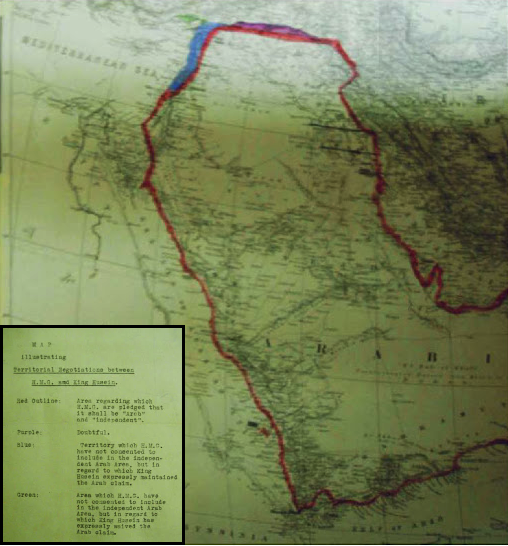
The Balfour Declaration remains controversial. Critics point to the ambiguity of its language, perceived conflicts with other wartime commitments made to Arab leaders, and its consequences for the Palestinian Arab population. Supporters view it as a landmark diplomatic recognition of Jewish national aspirations. Its issuance marked a turning point in the modern history of the Middle East and is widely cited as a seminal event in the origins of the Arab–Israeli conflict.
- Key figures: Arthur Balfour, Walter Rothschild, Zionist leadership including Chaim Weizmann.
- Dates and documents: letter dated 2 November 1917; referenced by the League of Nations mandate.
- Further reading: official government statements and historical analyses are available from several archives and academic sources (United Kingdom records; government documents).
Related articles
Author
AlegsaOnline.com Balfour Declaration (1917): British support for a Jewish national home in Palestine Leandro Alegsa
URL: https://en.alegsaonline.com/art/8489