
British Uganda Programme (Uganda Scheme)
Early 20th‑century British proposal to offer a tract of East Africa as a possible refuge for persecuted Jews; proposed to Zionist leaders in 1903 and debated at the Sixth Zionist Congress.
Overview
The British Uganda Programme, often called the "Uganda Scheme," was a proposal made in the early 20th century to offer a tract of territory in British‑controlled East Africa as a potential refuge for persecuted Jewish people. It arose amid urgent humanitarian concern after violent outbreaks against Jews in parts of Russia and elsewhere, and it provoked intense debate within the international Zionist movement about goals and principles.
Image gallery
1 Image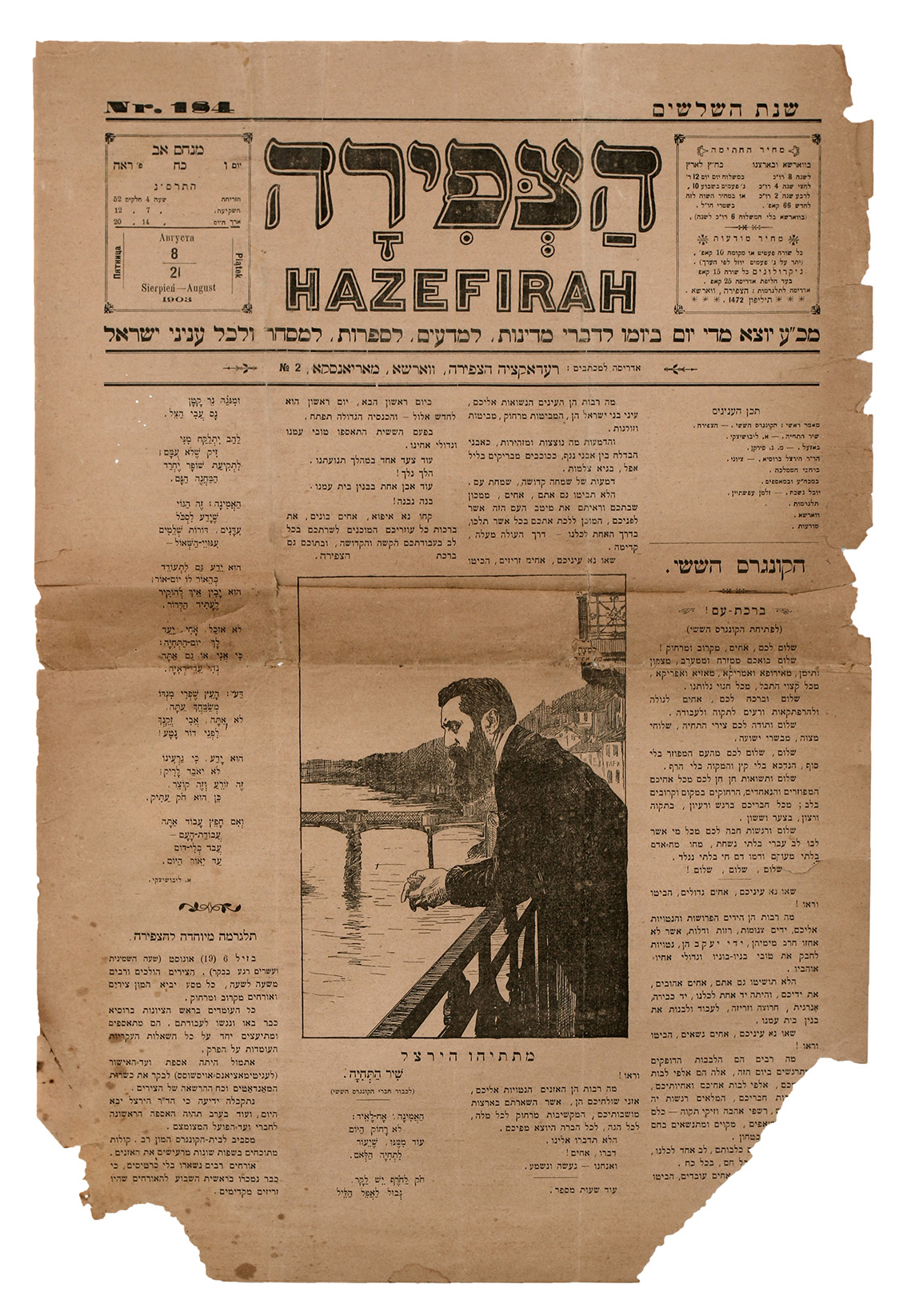
Origins and context
The offer reflected the interplay of imperial policy and international politics. Officials of the British government considered using colonial territory to address refugee crises, while Zionist leaders sought practical options for immediate relief as well as a long‑term national home. The proposal must be seen against this wider backdrop of migration, empire and nascent nationalist movements.
The 1903 offer
In 1903 Colonial Secretary Joseph Chamberlain conveyed to Theodor Herzl and other Zionist representatives a British willingness to make available a portion of territory on the highlands of the Mau region in what was then part of British East Africa and is now associated with areas of Kenya and neighbouring districts. The proposal was framed as an emergency option to resettle refugees and to test the viability of settlement outside historic Palestine.
Debate at the Sixth Zionist Congress
The question was formally debated at the Sixth Zionist Congress in Basel. Delegates divided sharply: some argued for accepting a temporary refuge to save lives and build capacity, while others insisted that the movement’s objective remained a national home in Palestine and that other territory would compromise that aim. The Congress voted to send a commission to investigate the offer; the motion to examine the proposal passed by a recorded vote of 295 to 177.
Investigation, reactions and decline
Exploratory missions were discussed and some reporting on the climate, land and local conditions followed. Opposition from within the movement and concerns about imperial intentions, as well as the reluctance to abandon the spiritual and historic centrality of Palestine, limited enthusiasm for the scheme. Within a few years the idea lost momentum and was set aside as Zionist efforts refocused on Palestine.
Aftermath and significance
Although the Uganda Scheme was not implemented as a mass settlement, the episode had lasting effects. It clarified divisions between pragmatic and maximalist tendencies within Zionism, showed how colonial powers could shape options available to national movements, and remains a frequently cited case in studies of refugee policy, imperial diplomacy, and the politics of national self‑determination.
Key points
- Offered in 1903 by Chamberlain to leaders including Herzl.
- Concerned territory lay in British East Africa on uplands linked to the Mau region of East Africa.
- Debated at the Sixth Zionist Congress in Basel; delegates voted to investigate rather than immediately accept.
- Seen as a response to persecution in places such as Russia and as a test of practical versus ideological aims within Zionism.
Questions and answers
Q: What was the British Uganda Programme?
A: The British Uganda Programme was a plan to give a piece of East Africa to Jewish people to live in.
Q: Why was the plan created?
A: The plan was created to help Jewish people in Russia find somewhere to live after the pogroms.
Q: Who made the offer to the Zionist group?
A: British Colonial Secretary Joseph Chamberlain made the offer to Theodor Herzl's Zionist group.
Q: When was the offer first made?
A: The offer was first made in 1903.
Q: Where was the land that was offered located?
A: The land that was offered was located in the Mau Plateau in Kenya.
Q: How did people react to the British Uganda Programme?
A: Many people disagreed with the plan, but it ultimately passed by 295 to 177 votes at the Zionist Congress in Basel.
Q: What was the purpose of the Zionist Congress in 1903?
A: The purpose of the Zionist Congress in 1903 was to discuss the British Uganda Programme among other issues related to the Zionist movement.
Related articles
Author
AlegsaOnline.com British Uganda Programme (Uganda Scheme) Leandro Alegsa
URL: https://en.alegsaonline.com/art/14567
Sources
- jewishvirtuallibrary.org : Theodor Herzl's biography at Jewish Virtual Library · webcitation.org