
Buchenwald concentration camp
Buchenwald was a large Nazi concentration camp near Weimar, Germany (1937–1945). It held political prisoners, Jews, Roma, POWs and others for forced labor; after the war it became a Soviet internment camp and is now a memorial.
Overview
Buchenwald was established in 1937 near Weimar on German territory. The site is identified by its coordinates (camp location) and in German was known as Konzentrationslager Buchenwald. It became one of the larger camps created inside Germany and was part of the system of Nazi concentration camps. Prisoners were transported from across Europe and from the Soviet Union to the camp.
Image gallery
10 Images


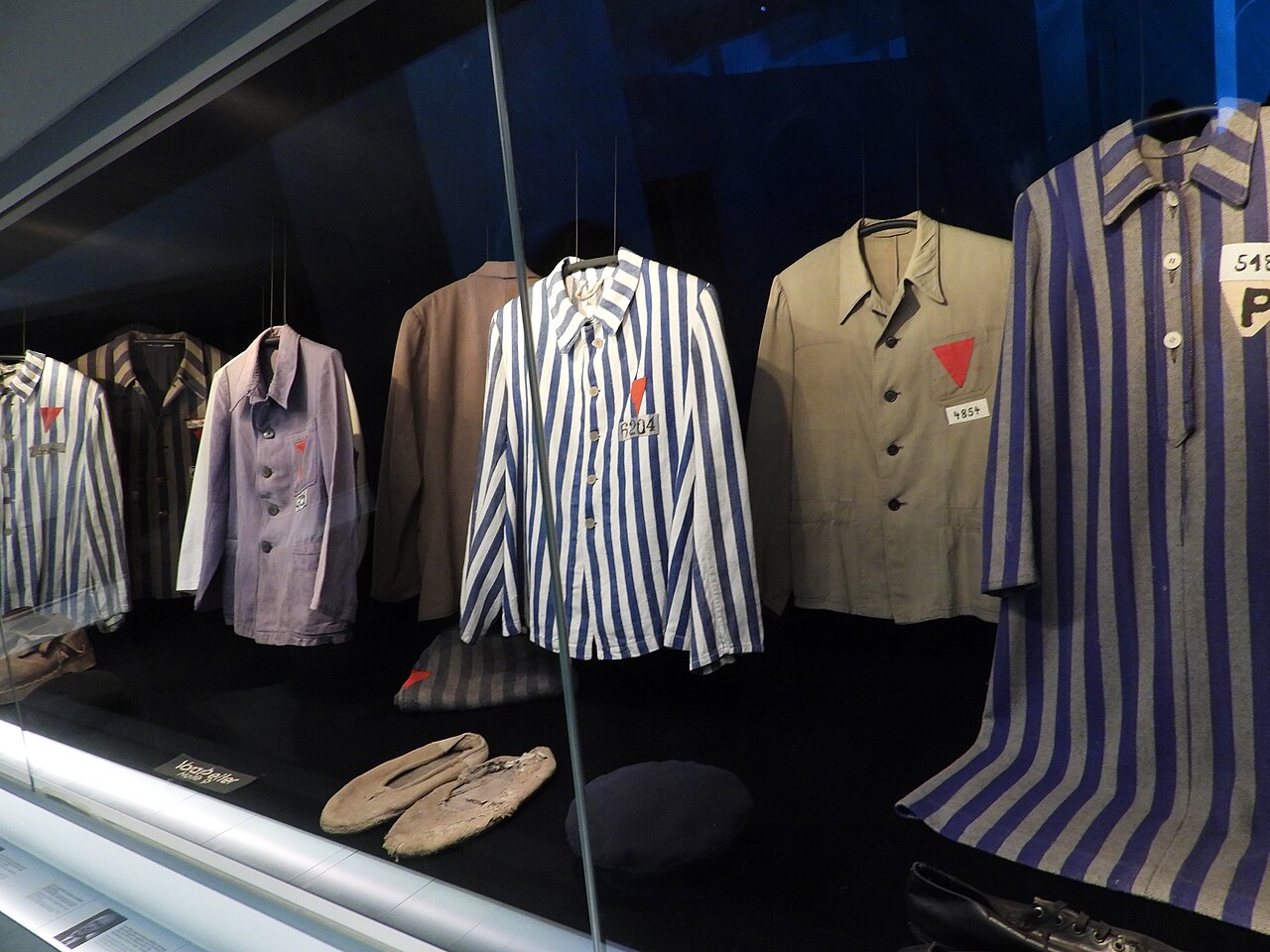
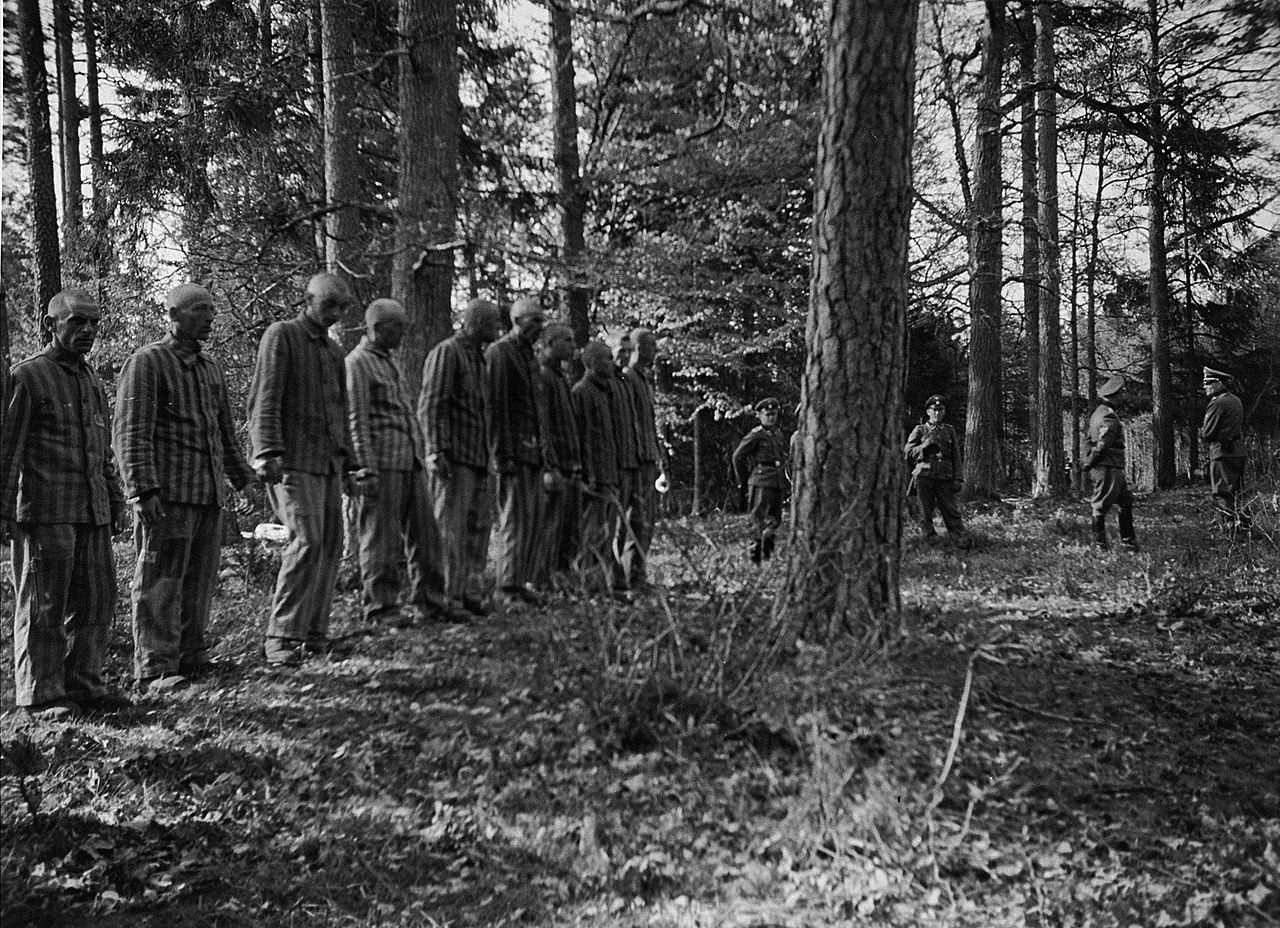


Prisoners and organization
The detainee population at Buchenwald included political opponents, members of resistance movements, Jewish people, Roma, prisoners of war, clergy and other groups. Individuals were formally registered as prisoners and assigned to labour details. The camp complex consisted of main barracks, roll-call and parade grounds, watchtowers and administrative buildings; over time a network of satellite camps and work detachments supplied labor to civilian and military industry.
Forced labor and industrial links
A significant function of Buchenwald was to provide forced labor for wartime production. Detainees worked in subcamps and nearby plants, including workshops and factories that produced parts and assemblies used in weapons manufacturing and other military supply chains. These economic ties linked private industry, military requirements and the camp administration.
Conditions, mortality and resistance
Life in the camp was marked by overcrowding, inadequate food, disease, beatings and executions. Many prisoners died from the cumulative effects of these conditions or from direct violence. Despite danger, inmates created networks of mutual aid, clandestine education and cultural activity; acts of resistance, covert organization and documentation played important roles in survival and later testimony.
Liberation and postwar use
American forces liberated Buchenwald on April 11, 1945, freeing surviving prisoners and documenting conditions. After initial Allied control, the site was taken over by Soviet authorities and used from 1945 as NKVD Special Camp Number 2, an internment facility administered by the Soviet security organs. In 1950 the site passed to the East German Ministry of Internal Affairs.
Trials and accountability
In the years after the war, camp personnel and collaborators were investigated and prosecuted in various national proceedings. These trials sought to establish criminal responsibility, to document the scope of abuses, and to create an historical record that would support memorialization and legal reckoning.
Memorialization, museum and education
Today the former camp is preserved as a site of remembrance and public education. The area is maintained as a memorial and hosts a permanent museum collection that displays documents, photographs and objects, and offers exhibitions, guided programs and archives for research. The memorial is intended to teach about victims and perpetrators, the mechanisms of persecution and the responsibilities of societies in wartime.
Key facts
- Opened in 1937 and operated as a Nazi concentration camp until 1945.
- Received prisoners from across Europe and the Soviet Union.
- Held a wide range of detainees who were registered as prisoners and used for forced labor in nearby factories.
- After liberation by the Allies, the site was run by the NKVD until transfer to East German authorities.
- The preserved site functions as a memorial and educational center with a museum.
For researchers and visitors, the camp's documented history offers multiple perspectives on persecution, industrial exploitation and postwar memory. Archival materials, survivor testimony and scholarly studies continue to inform understanding of how Buchenwald fit within the broader system of Nazi camps and the wartime society of Germany. Geographic and administrative details are recorded at the camp coordinates, and further information is available through the memorial foundation and historical repositories.
Questions and answers
Q: Where is Buchenwald located?
A: Buchenwald is located at 51°01′20″N 11°14′53″E / 51.02222°N 11.24806°E / 51.02222; 11.24806 in Germany.
Q: What was the purpose of Buchenwald during World War II?
A: During World War II, Buchenwald was a Nazi concentration camp where people from all over Europe and the Soviet Union were sent to be prisoners and do forced labor in weapons factories.
Q: Who ran the camp after WWII ended?
A: After WWII ended, the Soviet Union took over Buchenwald and some other parts of Germany, and they ran it as an internment camp called NKVD Special Camp Number 2 until 1950.
Q: What happened to Buchenwald in 1950?
A: In 1950, the Soviets handed over control of Buchenwald to the East German Ministry of Internal Affairs.
Q: What is left of Buchenwald today?
A: Today, what remains of Buchenwald is a memorial and museum that commemorate its history as a concentration camp during WWII.
Q: How long did it stay open for during WWII?
A: During WWII, it stayed open from 1937 until 1945.
Related articles
Author
AlegsaOnline.com Buchenwald concentration camp Leandro Alegsa
URL: https://en.alegsaonline.com/art/15006
Sources
- buchenwald.de : "Buchenwald Memorial: Historical Overview"
- buchenwald.de : "Buchenwald and Mittelbau-Dora Memorials Foundation - Purpose of the Foundation"
- worldcat.org : 0734-6018
- jstor.org : 2928751
- buchenwald.de : "Bärenzwinger. Zoo Buchenwald"
- books.google.com : The Buchenwald Report
- germaniainternational.com : "Schutzstaffel: The SS"
- vac-acc.gc.ca : Veterans Affairs Canada, 2006: "Prisoners of War in the Second World War"
- nationalmuseum.af.mil : National Museum of the USAF: "Allied Victims of the Holocaust"
- buchenwaldflyboy.wordpress.com : buchenwaldflyboy.wordpress.com/
- buchenwald.libsyn.com : Podcast with one of 2000 Danish policemen in Buchenwald.
- ushmm.org : "The 89th Infantry Division"
- cnn.com : "Buchenwald liberator, American hero dies at 83"
- ushmm.org : "The 83rd Infantry Division"