
Celtic Britons (Brythons): people of Common Brittonic Britain
The Celtic Britons (Brythons) were the speakers of Common Brittonic in ancient Great Britain; their culture, migrations and linguistic legacy shaped Wales, Cornwall, Brittany and parts of Scotland after Roman withdrawal.
Overview
The term Britons (also Brythons) denotes the inhabitants of ancient Britain who spoke a Celtic language and a historical form called Common Brittonic. They lived across much of Great Britain from the Iron Age into the Roman era and the Sub-Roman period that followed the departure of the Romans. Their identity is defined primarily by language and cultural practices rather than a single centralized state.
Image gallery
10 Images




Language and culture
Britons spoke a branch of the Celtic languages whose later descendants include Welsh, Cornish and Breton. Their material culture featured fortified hill settlements, roundhouses and regional craft traditions; contact with Rome introduced new goods, roads and urban centers, altering local economies and social organization during Roman Britain.
History and movements
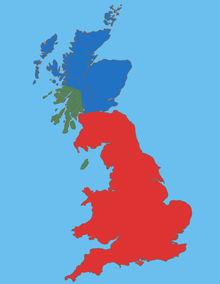
After Roman rule weakened, political structures changed and some communities retreated to upland or coastal regions. The arrival and expansion of the Anglo-Saxons transformed the eastern lowlands that became England. In response, many Britons relocated westward to areas that are now Wales, Cornwall and parts of southern Scotland, while others crossed the English Channel to Armorica, where their communities became the medieval Breton people.
Legacy and importance
The Britons’ most visible legacy is linguistic: Welsh remains a living language, Cornish has undergone revival, and Breton still survives in Brittany. Their place-names, legal customs in some regions and early medieval literature also preserve elements of Brittonic society. Where Britons remained under Anglo-Saxon rule, they were gradually assimilated, though traces persist in dialects, toponyms and genetics.
Archaeology and evidence
Archaeological evidence—forts, cemeteries, artifacts and settlement patterns—supports a picture of cultural continuity mixed with change during and after Roman rule. Written sources from neighboring peoples and later medieval chronicles supplement material remains but must be interpreted cautiously. Linguistic reconstruction of Common Brittonic and its daughter languages helps chart migrations and regional identities.
Distinctions and notable facts
- Britons (Brythons) are distinct from the Gaelic-speaking Irish and Scots, and from the Picts, though there were interactions among these groups.
- The survival of Brittonic languages in Wales, Cornwall and Brittany is a major cultural consequence of post-Roman migrations.
- Modern interest in Brittonic heritage informs regional revival movements, historical studies and place-name research linked to ancient Great Britain.
For further general context see works on the Iron Age, Roman Britain and the Sub-Roman transformation, and comparative studies of Celtic languages and post-Roman migration to Armorica.
Questions and answers
Q: Who were the Britons?
A: The Britons were a people who spoke a Celtic language known as Common Brittonic and lived in Great Britain during the Iron Age, Roman Britain, and the Sub-Roman period.
Q: Where did they live?
A: The Britons lived in Great Britain during the Iron Age, Roman Britain, and the Sub-Roman period.
Q: What happened to them after Anglo-Saxons arrived?
A: After Anglo-Saxons arrived some of the Britons migrated to Wales, Cornwall and southern Scotland, while others moved to Armorica (which was renamed Brittany). Those who remained were absorbed into Anglo-Saxon society.
Q: What language did they speak?
A: The Britons spoke a Celtic language known as Common Brittonic.
Q: What is Armorica?
A: Armorica is an ancient region on the northern coast of France which was renamed Brittany by some of the migrating Britons.
Q: When did they live in Great Britain?
A: The Britons lived in Great Britain during the Iron Age, Roman Britain, and the Sub-Roman period following the Romans' departure from Britain.
Related articles
Author
AlegsaOnline.com Celtic Britons (Brythons): people of Common Brittonic Britain Leandro Alegsa
URL: https://en.alegsaonline.com/art/14577