
Martin Luther King Jr.: Civil rights leader and advocate of nonviolent protest
Overview of Martin Luther King Jr., his life, leadership in the U.S. civil rights movement, philosophy of nonviolent resistance, major campaigns, writings, assassination, and enduring legacy.
Overview
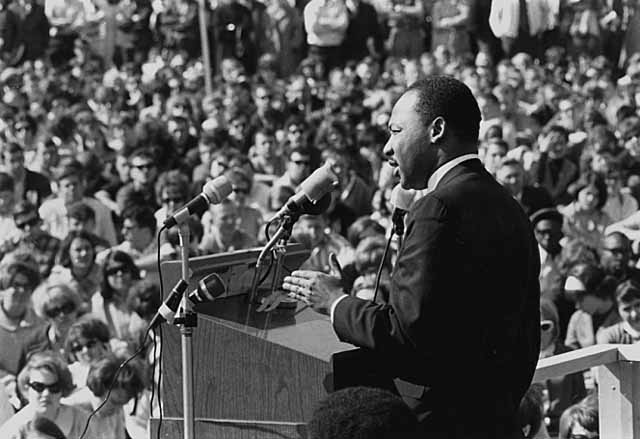
Martin Luther King Jr. (born Michael King Jr.; January 15, 1929 – April 4, 1968) was an American Baptist minister, social activist, and a central leader of the mid‑20th century civil rights movement. Combining Christian theology, the example of Mahatma Gandhi, and modern mass organizing, he became widely known for promoting nonviolent civil disobedience as a path to social change. A pastor and an academic (he earned a doctoral degree in systematic theology), King is commonly identified by the initials "MLK" and the honorifics the Rev. Dr. Martin Luther King Jr.
Image gallery
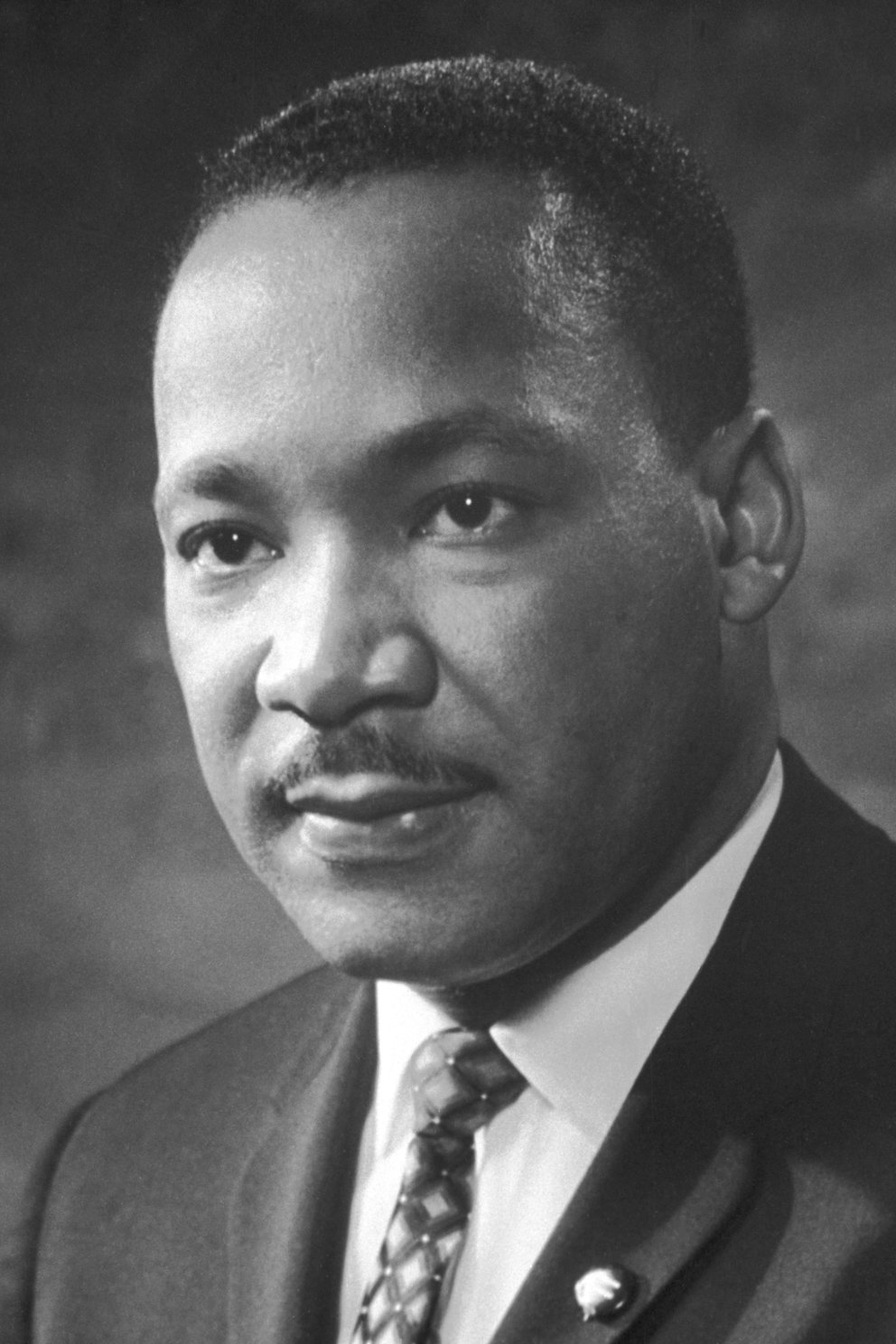
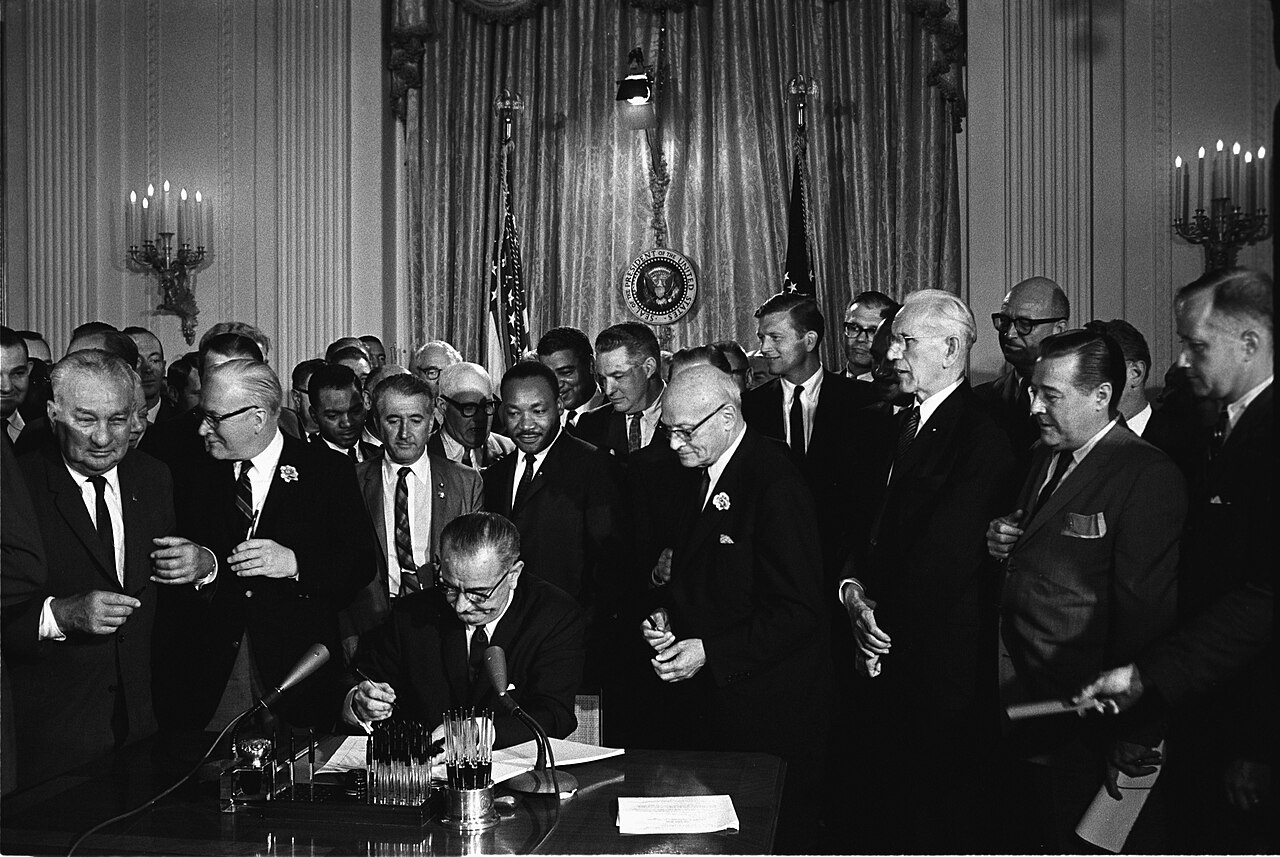
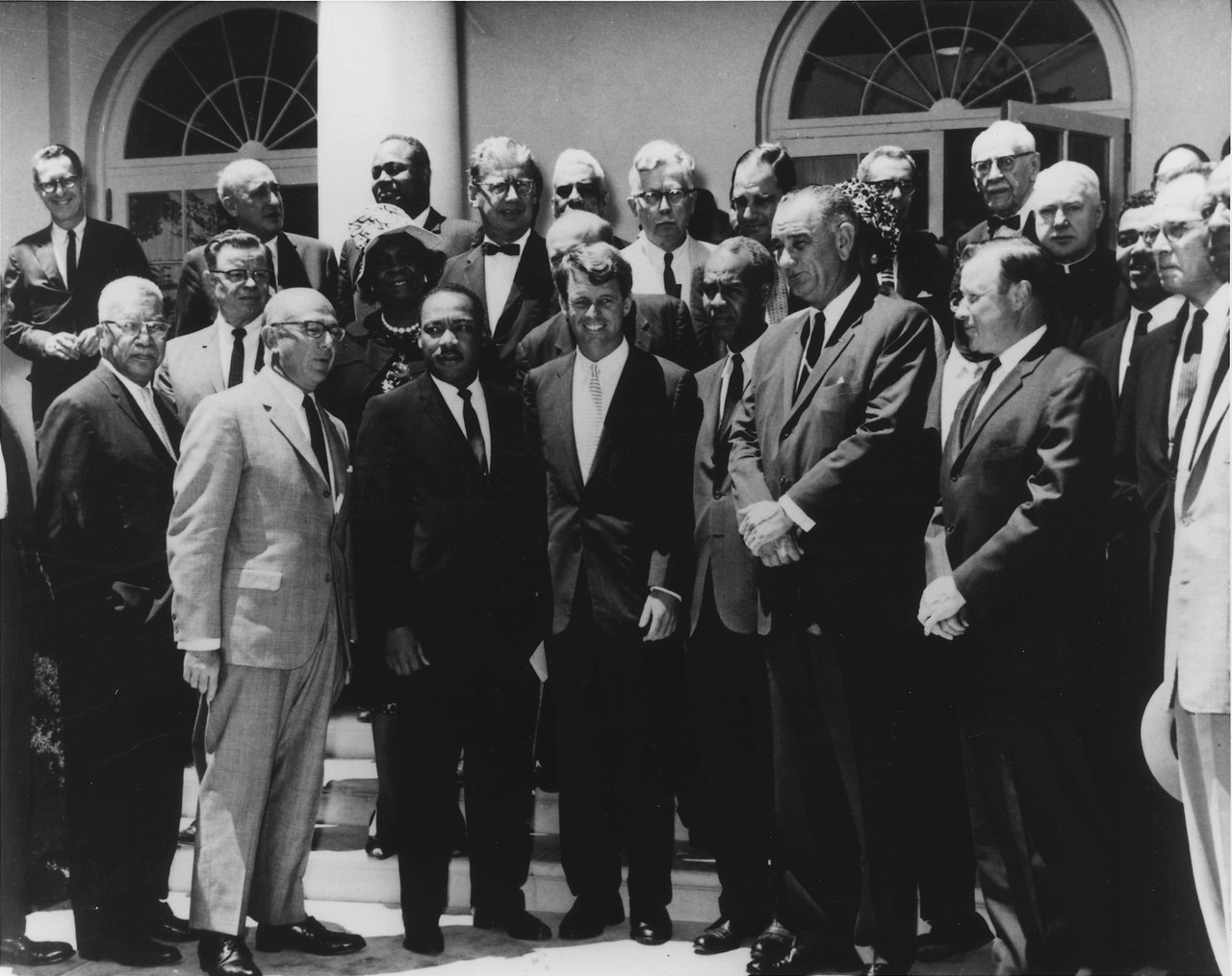
10 Images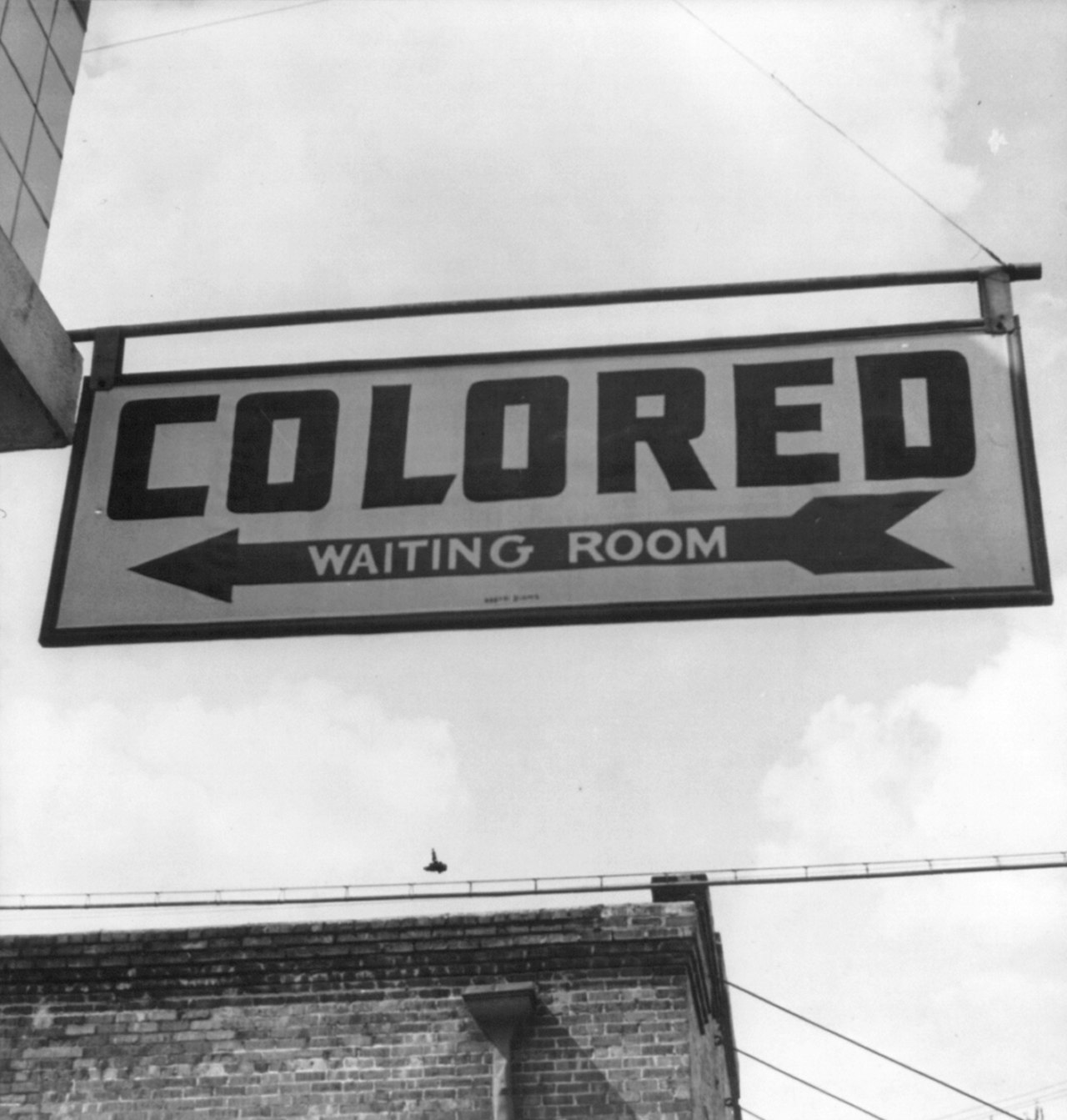




Beliefs and methods
King argued that direct, nonviolent action—such as organized boycotts, marches, sit‑ins and legal challenges—could expose injustice and create moral pressure for reform. He framed civil rights as both a political and moral issue, calling for racial equality, voting rights, and an end to segregation. His leadership emphasized disciplined, peaceful protest even in the face of hostility, and he encouraged broad coalitions across racial, religious, and economic lines.
Major campaigns and public work
King first gained national attention during the 1955–56 Montgomery Bus Boycott, which protested segregated seating and transit discrimination. He helped found the Southern Christian Leadership Conference (SCLC) and was a prominent voice in campaigns in Birmingham and elsewhere. In 1963 he helped organize the March on Washington for Jobs and Freedom, where he delivered the iconic "I Have a Dream" theme in a speech that articulated a vision of integration and equal opportunity. His advocacy contributed to passage of landmark federal laws, including the Civil Rights Act and the Voting Rights Act, through a mixture of moral persuasion and political pressure.
Writings, speeches, and influence
King left a substantial body of sermons, speeches and essays. His "Letter from Birmingham Jail" defended the strategy of civil disobedience and argued that unjust laws must be opposed. He received the Nobel Peace Prize in 1964 for his nonviolent struggle against racial inequality. Over time his public work expanded to address poverty, labor rights, and opposition to the Vietnam War, reflecting an increasingly broad critique of systemic injustice.
Assassination and legacy
King was assassinated on April 4, 1968, while in Memphis, Tennessee, where he had gone to support striking sanitation workers. His death provoked nationwide mourning and unrest but also accelerated legislative and cultural changes. He is commemorated by a U.S. federal holiday observed each January, numerous memorials and educational programs, and continued scholarly and civic engagement with his writings and strategies. His life remains a central reference point in discussions about civil rights, social justice, and nonviolent activism.
Further reading and resources
- Biographical overview and timeline
- Ebenezer Baptist Church and pastoral work
- Humanitarian efforts and organizing
- Civil Rights Movement context
- Civil rights legislation and outcomes
- Nonviolent philosophy and influences
- Civil disobedience as a tactic
- Christian theology and sermons
- Atlanta and local activities
- Georgia historical context
- Race relations and broader impact
- Segregation and legal challenges
- African American leadership and communities
- Nonviolent protest examples
- Civil rights and nonviolence resources
- Sit‑ins and student activism
- Boycotts and economic pressure tactics
- March on Washington materials
- "I Have a Dream" speech context
- Assassination, aftermath, and memorials
Questions and answers
Q: Who was Martin Luther King, Jr.?
A: Martin Luther King, Jr. was an American pastor, activist, humanitarian, and leader in the Civil Rights Movement. He is best known for improving civil rights by using nonviolent civil disobedience based on his Christian beliefs.
Q: What is Dr. King sometimes called?
A: Dr. King is sometimes referred to as the Reverend Doctor Martin Luther King Jr., or just Dr King. He is also known by his initials MLK.
Q: What strategies did African Americans use to fight for their civil rights?
A: Led by Dr. King and others, many African Americans used nonviolent, peaceful strategies such as sit-ins, boycotts, and protest marches to fight for their civil rights.
Q: What speech did he give at the 1963 March on Washington?
A: At the 1963 March on Washington, Dr. King delivered his famous "I Have a Dream" speech which advocated for equal rights among all races regardless of skin color or ethnicity.
Q: When did he win the Nobel Peace Prize?
A: The year after delivering his "I Have a Dream" speech at the March on Washington in 1963, he won the Nobel Peace Prize in 1964 for his efforts towards achieving racial equality through nonviolence and peaceful protests.
Q: Where was he pastor of?
A: He was pastor of Ebenezer Baptist Church in Atlanta Georgia from 1960 until 1968 when he passed away due to assassination by James Earl Ray .
Q: When did Martin Luther King's fight for equal rights begin ? A: Martin Luther King's fight for equal rights began with the Montgomery Bus Boycott in 1955 until his death in April 1968 .
Author
AlegsaOnline.com Martin Luther King Jr.: Civil rights leader and advocate of nonviolent protest Leandro Alegsa
URL: https://en.alegsaonline.com/art/142332