
James Earl Ray (1928–1998)
American convicted of the 1968 assassination of Martin Luther King Jr.; pleaded guilty in 1969, later recanted, and remains central to debates and investigations about a possible conspiracy.
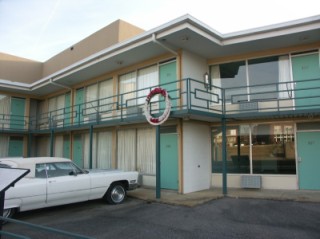
James Earl Ray was an American criminal who was convicted in the 1968 assassination of civil rights leader Martin Luther King Jr. King was shot and killed in Memphis, Tennessee, on April 4, 1968. Ray pleaded guilty to the murder in 1969 and was sentenced to 99 years in prison, a sentence he maintained would spare him the death penalty. He later recanted his confession and spent decades unsuccessfully seeking a new trial.
Image gallery
3 Images

Early life and movements
Born in 1928 in the Midwestern United States, Ray had a troubled background that included a series of petty crimes and intermittent prison sentences before the King assassination. In 1967 he escaped from a Missouri prison and traveled through the United States into Canada and then to Europe. He was arrested at London's Heathrow Airport in June 1968 and was extradited to the United States to face charges.
Guilty plea, recantation, and appeals
Ray entered a guilty plea in March 1969, which allowed him to avoid the possibility of a death sentence. The guilty plea ended what would otherwise have been a lengthy murder trial. Shortly after pleading guilty, Ray said he had been coerced into the plea and recanted his confession, claiming he was part of a broader plot and that he had been the victim of a frame-up. Over the next three decades he and his legal representatives pursued multiple appeals and petitions for a new trial, all of which were denied.
Investigations and controversies
The circumstances surrounding King's death have prompted numerous investigations and a variety of conspiracy theories. A 1979 congressional inquiry, the House Select Committee on Assassinations, concluded that King was probably the victim of a conspiracy, but it did not identify all participants conclusively. In 1999, a civil suit brought by the King family produced a jury verdict finding that certain local parties were part of a conspiracy, a finding that remains disputed and separate from criminal proceedings involving Ray.
Legacy and notable facts
Ray spent the remainder of his life in prison and died in 1998. He remains a contentious figure in American history: officially the convicted assassin of Martin Luther King Jr., yet at the center of continuing debate about whether he acted alone or as part of a larger plot. For primary court documents and government reports, consult archival records and official summaries here.
- Conviction: Guilty plea in 1969; sentenced to 99 years.
- Recantation: Repeatedly maintained he did not fire the fatal shot.
- Investigations: Multiple inquiries with differing conclusions about a possible conspiracy.
Understanding James Earl Ray involves both the legal record of his conviction and the wider historical debate about the assassination of a major civil rights leader. Sources include court records, congressional reports, and the many contemporary and retrospective journalistic investigations that have examined the facts and competing interpretations.
Related articles
Author
AlegsaOnline.com James Earl Ray (1928–1998) Leandro Alegsa
URL: https://en.alegsaonline.com/art/121289
Sources
- edition.cnn.com : "CNN - James Earl Ray, convicted King assassin, dies - April 23, 1998"
- trutv.com : Crime Library