
Boycott: collective refusal to buy, sell, or engage for social or political aims
A boycott is an organized refusal to transact with a business, institution or country to pressure change. This article explains types, origins, effects, notable history and legal/ethical issues.
Overview
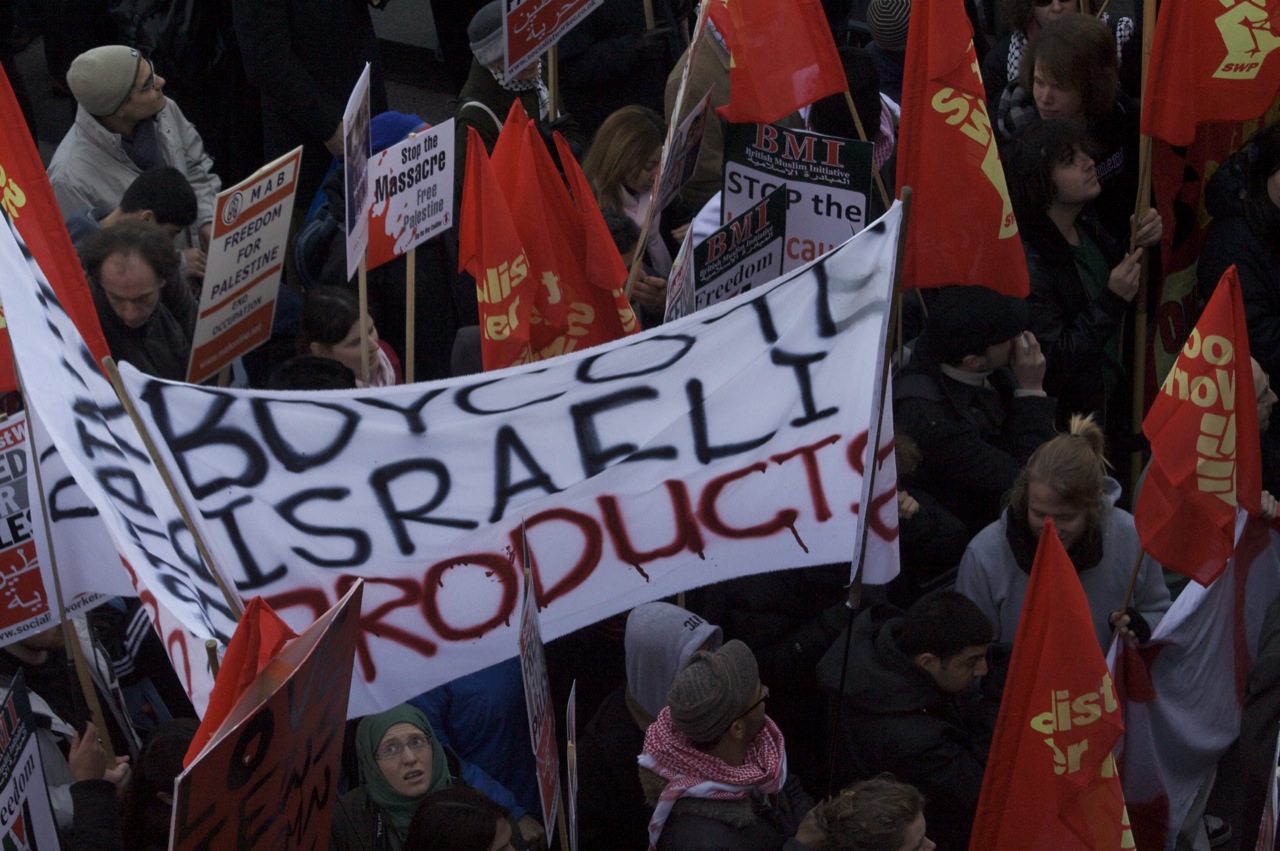
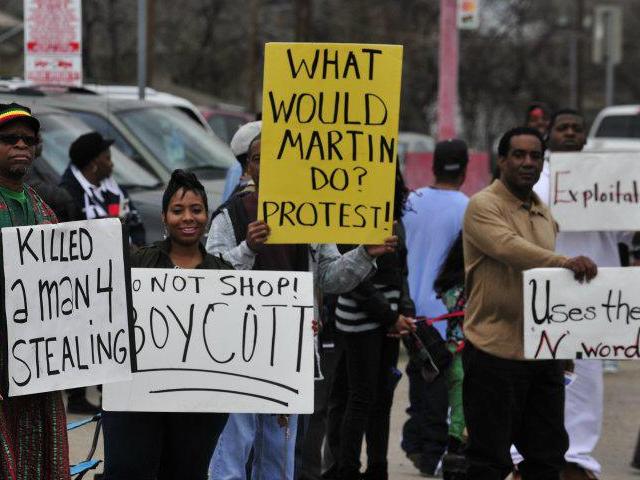
A boycott is an organized form of protest in which individuals or groups deliberately refuse to buy, use, or otherwise support a company, organization, institution or country. The tactic is typically intended to create economic, social or reputational pressure that will prompt a change in behavior, policy or practice. A boycott can target a single product, an entire brand, a supplier network, or even financial relationships such as investments and banking. See a short definition of the idea as a protest.
Image gallery
9 Images



Characteristics and common methods
Boycotts range from informal consumer choices to coordinated campaigns. Typical elements include public appeals, replacement purchases (buycotts), picketing, divestment, and media or social media amplification. Organizers may encourage participants to avoid a product or service and to choose an alternative brand, or to pressure intermediaries—retailers, advertisers and investors—to cease support. The target may be a commercial company, a government policy, or an institution viewed as complicit in objectionable conduct.
Historical origin: the Boycott of Captain Charles Boycott
The English word "boycott" derives from a specific episode in Ireland during the late 19th century. In 1880 a land agent, Captain Charles Boycott, clashed with tenants in County Mayo in Ireland. Tenants sought rent relief and when Boycott refused and sought evictions, the local agrarian movement recommended nonviolent ostracism rather than physical confrontation. Neighbors avoided employment for him, withheld services in his house and stables, and local traders would not do business. The tactic extended to refusals to help with the harvest and to staff his household or stables. The isolated agent had to import labor from other counties such as Cavan and Monaghan while government forces escorted those workers, which made the exercise more costly than the crop's value. The episode gave the practice its name and became a model for nonviolent economic pressure. The local dispute involved landlord and tenant relations; Boycott had acted as a landlord agent while tenants had rented the land and resisted eviction rather than resort to violence. The story is often summarized in histories of social protest.
Examples, uses and outcomes
Boycotts have been used to oppose segregation, labor practices, environmental damage, human-rights abuses and corporate conduct. Notable modern forms include long-term consumer campaigns, corporate divestment movements and coordinated investor pressure. Some succeed rapidly by inflicting measurable losses or reputational damage; others serve to raise awareness and shift public discourse without immediate economic impact. Effectiveness depends on scale, the availability of substitutes, media attention and the willingness of third parties to sustain the pressure.
Legal, ethical and practical considerations
Boycotts intersect with free-speech and association rights in many countries, but they can also raise legal issues if they involve coercion, unlawful secondary boycotts, or collusive anti-competitive behavior. Ethically, organizers weigh potential harm to workers or small suppliers against the intended benefits. Practical organizers often set clear goals, identify measurable targets and pursue transparency so participants can evaluate progress.
Distinctions and concluding notes
Boycotts differ from strikes (workers withholding labor), embargoes or sanctions (often state-imposed), and personal consumer choice by their organized, collective nature and explicit political or social aim. As an instrument of civil resistance, a boycott remains a widely accessible tactic: it allows consumers and communities to convert ethical judgments into economic choices and to apply pressure without violence.
For further reading or resources, see related materials linked here: regional background and other summaries at rental and tenancy histories.
Related articles
Author
AlegsaOnline.com Boycott: collective refusal to buy, sell, or engage for social or political aims Leandro Alegsa
URL: https://en.alegsaonline.com/art/13520