
Bride of Frankenstein (1935 film)
Universal Pictures' 1935 sequel to Frankenstein, directed by James Whale and starring Boris Karloff and Elsa Lanchester; noted for its Gothic style, themes, production history and critical legacy.
The Bride of Frankenstein is a 1935 Universal Pictures film that continues the story begun in the studio's 1931 production of Frankenstein. Directed by James Whale, it blends elements of science fiction and horror to explore creation, companionship and responsibility. The picture features Boris Karloff opposite Boris Karloff and Elsa Lanchester in a dual role as Mary Shelley and the Bride; other principal players include Colin Clive and Ernest Thesiger. It is loosely inspired by a subplot of Mary Shelley's 1818 novel Frankenstein and the continuing cinematic narrative begun in Whale's earlier film.
Image gallery
10 Images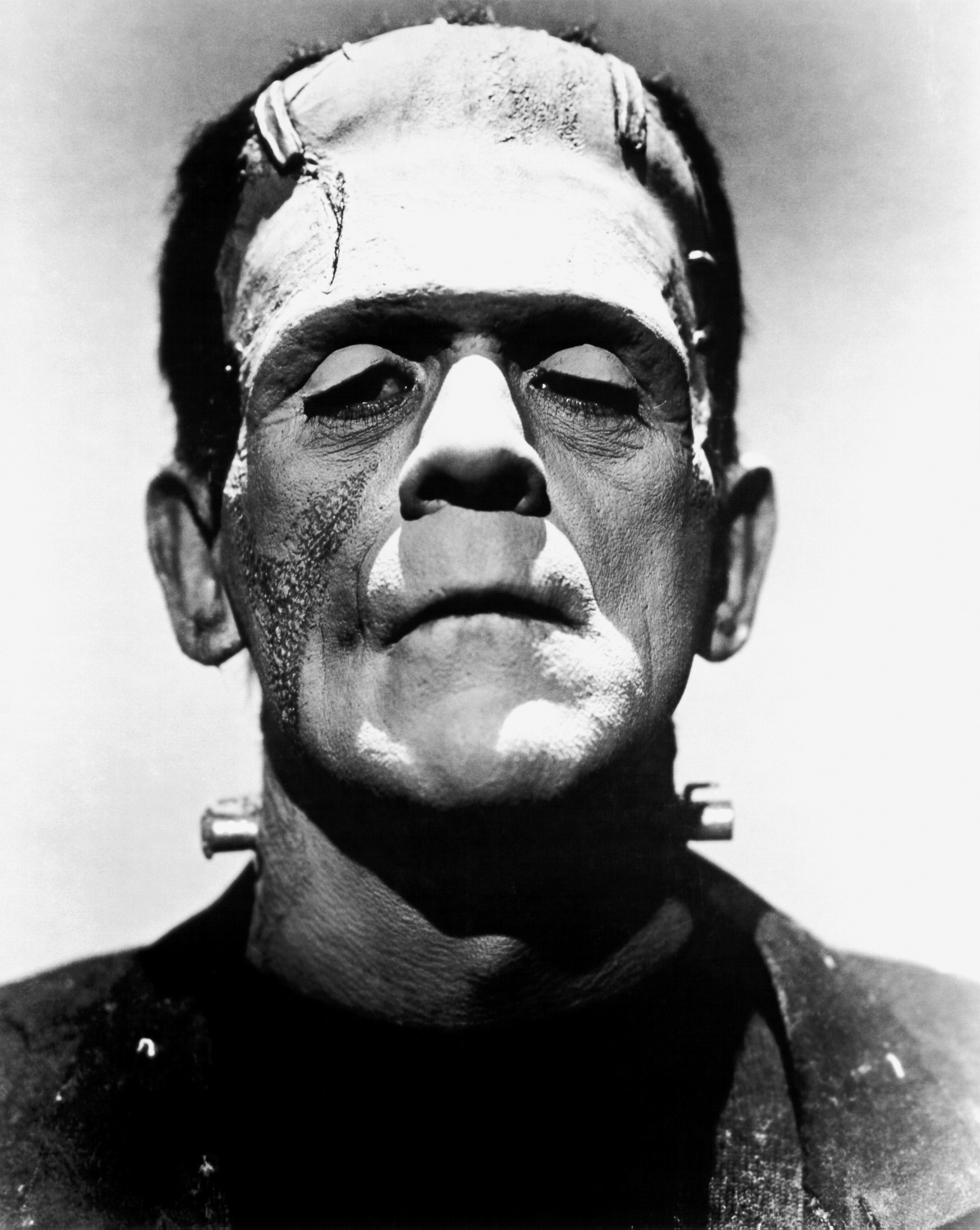


Plot and principal characters
The film opens after the events of the 1931 movie, with Dr. Henry Frankenstein having abandoned his experiments. The Creature survives and, yearning for a mate, coerces Henry into resuming his laboratory work. The plot concentrates on the Creature's desire for companionship and the moral consequences that attend attempts to mimic or override nature. Elsa Lanchester plays both the author figure and the experimental woman whose creation poses an existential threat and a tragic possibility of connection.
Production, release and censorship
Preparations for the sequel began soon after the success of the first film. Many cast members and crew returned for the follow-up; principal photography began in photography in January 1935. The picture was well received by contemporary critics and audiences, but it faced scrutiny from censorship boards because of its dark themes and suggestive imagery. Despite such objections, the film's distinctive visual style and witty, theatrical direction helped it earn lasting admiration.
Themes, interpretations and legacy
Critics and scholars have long discussed the movie's treatment of loneliness, otherness and creative hubris. Some commentators read autobiographical or subtextual elements into the film, noting that several members of Whale's creative circle were openly or privately homosexuals, and that viewers identify a gay sensibility in parts of the work. Others caution against overinterpretation, pointing to its status primarily as a Gothic melodrama and a studio horror classic. Over time the film has come to be regarded by many as Whale's masterpiece for its combination of pathos, dark humor and striking mise-en-scène.
Notable facts and distinctions
- The film is officially a sequel to the 1931 Frankenstein and reworks material suggested by Mary Shelley's original novel.
- Elsa Lanchester doubles as an on-screen author figure and the Bride, a casting choice that foregrounds questions of creation and identity.
- Contemporary reviewers and later historians cite the film's influence on horror cinema and its frequent inclusion on best-of lists for the genre; see modern assessments at critical sources.
- Production notes record the return of leading actors and technical staff to the set and the film's careful art direction in the laboratory scenes (laboratory details).
- For background on the original literary source, see references to Frankenstein and author Mary Shelley.
For further reading and archival material consult studio histories and annotated editions of the film: production documents and retrospective essays remain important resources (genre histories, horror studies, and production archives at actor-centered or director-centered collections). Additional contemporary documentation and scholarship may be found through film libraries and online repositories referenced by specialist institutions (director files, photographic archives, and studio ledgers).
Because interpretations vary, readers interested in cultural readings of the film should consult both period reviews and modern scholarship to appreciate how its reception has shifted since its 1935 release.
Related articles
Author
AlegsaOnline.com Bride of Frankenstein (1935 film) Leandro Alegsa
URL: https://en.alegsaonline.com/art/14054