
James Whale — English film and theatre director (1889–1957)
Concise encyclopedia profile of James Whale, the English stage and film director best known for Universal horror classics, his wartime origins, artistic style, later life and cultural legacy.
Overview
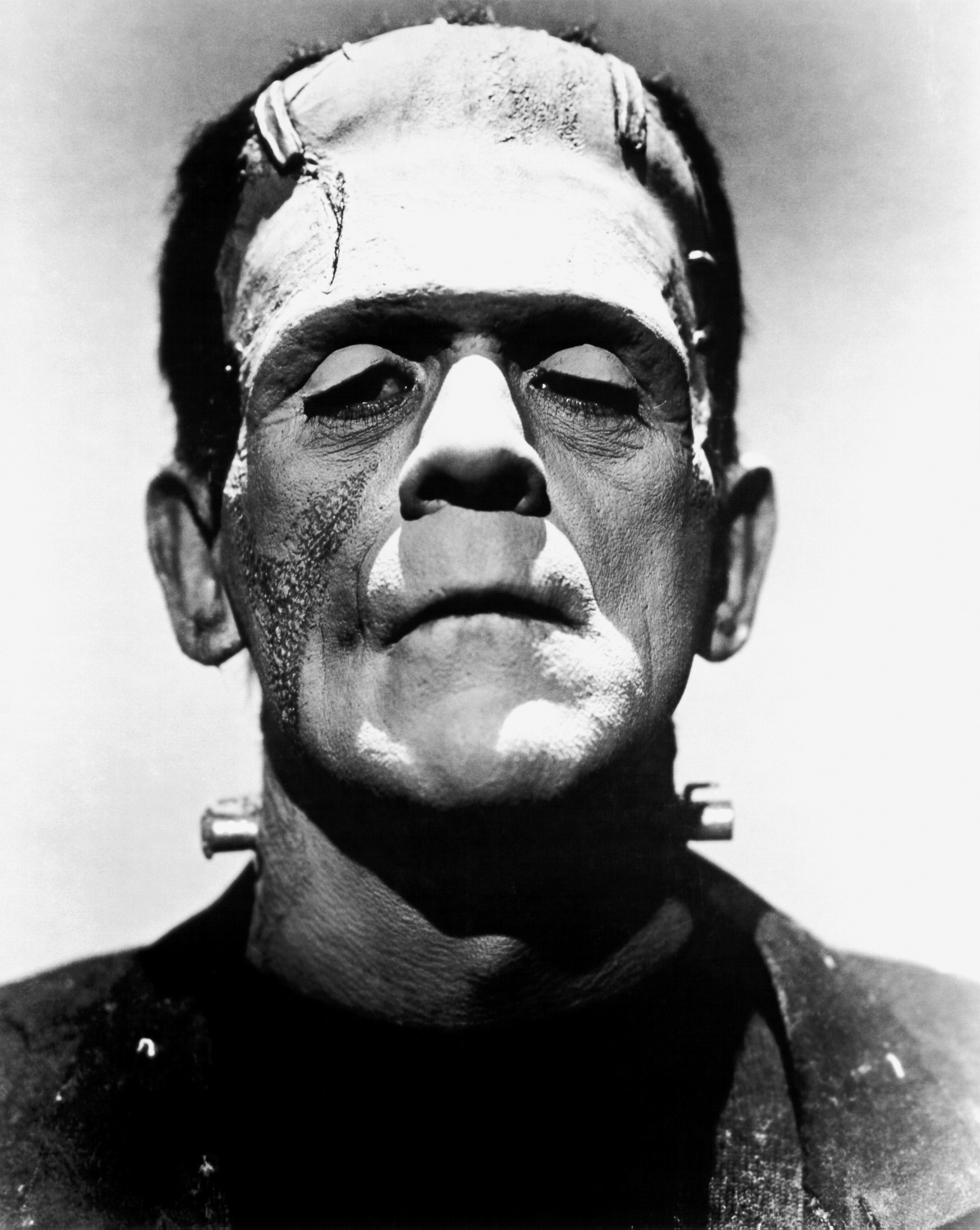
James Whale was an English theatre and film director and occasional actor whose work during the early sound era helped define a visual language for genre cinema. He is best known for a string of films made at Universal Studios in the early 1930s, above all Frankenstein and Bride of Frankenstein, and for his invention of vivid, theatrical compositions in motion pictures. Whale brought an expressly theatrical sensibility to Hollywood productions while remaining active in stage work throughout his life. For a succinct modern biography and overview of his career, see specialist film-reference material and collected essays on early sound filmmaking.
Image gallery
7 Images




Early life and wartime experience
Born in 1889, Whale grew up in a large family and developed an early interest in drawing and design. He trained in the visual arts and moved into theatrical work, where he combined set design, acting and direction. With the outbreak of the First World War he enlisted in the British Army and served as an officer. During the conflict he was taken prisoner and spent time in captivity; this period helped redirect his energies toward theatre and performance as a professional path. After the war he returned to civilian life and steadily built a reputation on the stage in Britain and later on Broadway.
Theatre and move to film
Whale’s stage work encompassed acting, set design and direction. His success on stage led to invitations to direct productions abroad and, eventually, to offers to work in cinema. He relocated to Hollywood and began directing features for Universal at a moment when studios were experimenting with horror and other imaginative genres. He made a number of films for the studio between 1930 and 1936 that established his reputation for combining theatrical staging with cinematic camera movement.
Major films and artistic approach
Whale’s best-known films include Frankenstein (1931), an influential adaptation that helped define modern cinematic horror; Bride of Frankenstein (1935), noted for its invention and pathos; The Invisible Man (1933), a technical showcase for special effects; and The Old Dark House (1932), which blends Gothic mood and dark humour. He also directed a studio version of the musical Show Boat (1936). Whale’s visual style shows affinities with German Expressionism—high-contrast lighting, dramatic silhouettes and deliberately stylised sets—adapted to studio conditions and American storytelling conventions.
Personal life and partnerships
In Hollywood Whale shared a long personal partnership with producer David Lewis; their relationship was a discreet but enduring part of his life during a time when same-sex partnerships were socially sensitive. Whale maintained interests outside film, including painting and travel, and he continued to direct for the stage after his studio career slowed. He worked with many actors of the day and remained interested in theatrical design throughout his life.
Later years, health and death
After a number of commercial disappointments and changes in studio practice, Whale’s opportunities to direct major films diminished by the early 1940s. He returned to stage work and to private creative pursuits. In the mid-1950s he suffered several strokes that affected his health and mobility. His final years were marked by chronic pain and a diminishing ability to work. Whale died in 1957; contemporary accounts report that he took his own life by drowning in his swimming pool.
Legacy and reassessment
Film historians and critics have reassessed Whale’s films for their formal inventiveness and emotional subtlety. His work is frequently cited in studies of early horror cinema and in surveys of directors who translated stagecraft to the screen. Whale’s films influenced later filmmakers and continue to be shown, restored and discussed in scholarly and fan communities. Collections of production notes, archived correspondence and modern critical studies explore his collaborations with actors, designers and studio personnel, and place his career in the broader history of 20th-century theatre and cinema.
Selected films and resources
- Frankenstein — 1931 studio landmark in horror filmmaking.
- Bride of Frankenstein — 1935 follow-up often praised for artistry and tone.
- The Invisible Man — 1933, notable for its visual effects.
- The Old Dark House — 1932, mixes Gothic atmosphere with dark comedy.
- Show Boat — 1936 studio musical adaptation.
Further reading and archival sources include stage histories and collections on wartime veterans who entered the arts, entries on directing and production in early cinema, studies of Universal Studios’ horror cycle, and biographies that discuss Whale’s personal and professional life. For specialized subjects consult reference works on World War I and artists, the experience of prisoners of war, histories of the Broadway stage, and records related to studio-era Universal Studios productions. Issues of retirement, health and later-life care for artists are discussed in materials about retirement and later years and the effects of conditions such as stroke. Topics of mental health and end-of-life decisions are examined in literature on mental health and suicide, while accounts of Hollywood residences and expatriate communities provide context for where many filmmakers lived and worked in the mid-20th century (Hollywood residences).
For introductory overviews, critical anthologies, and filmographies consult library and academic databases, film restoration project notes, and retrospectives produced by film societies and museums that specialize in classic cinema and theatrical history. These resources help situate Whale’s achievements within both British and American cultural histories and trace how his reputation has been evaluated by successive generations of critics and historians. Actor and stage records also shed light on his early career and collaborations.
Related articles
Author
AlegsaOnline.com James Whale — English film and theatre director (1889–1957) Leandro Alegsa
URL: https://en.alegsaonline.com/art/121381