
Frankenstein (1931 film) — Universal horror classic
1931 Universal Pictures horror film directed by James Whale, adapting Mary Shelley's novel. Starring Colin Clive and Boris Karloff, noted for Karloff's makeup, atmosphere, and lasting influence on cinema and popular culture.
Overview
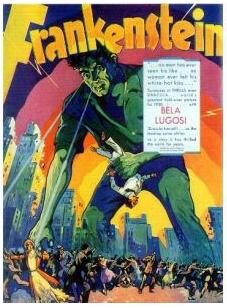
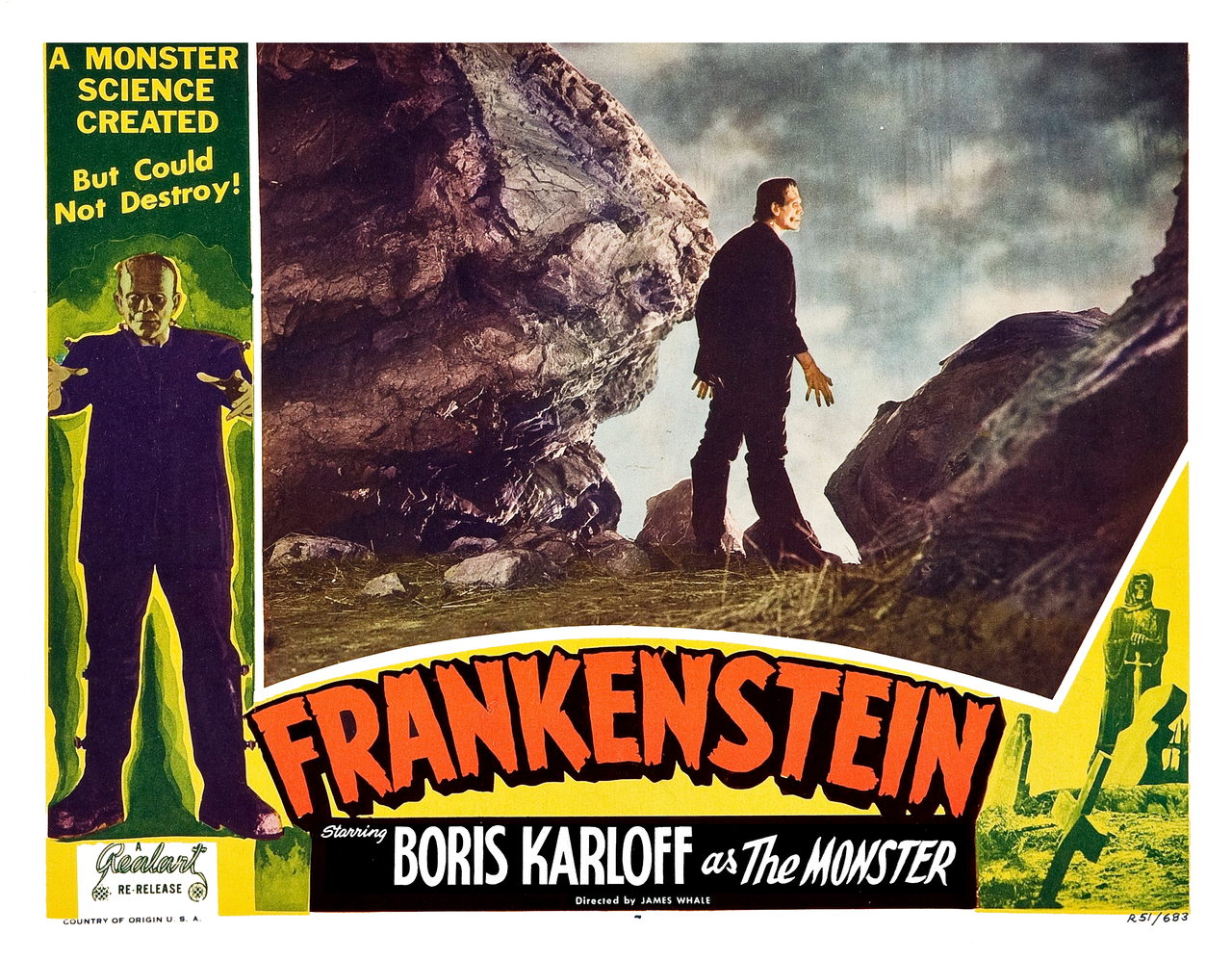
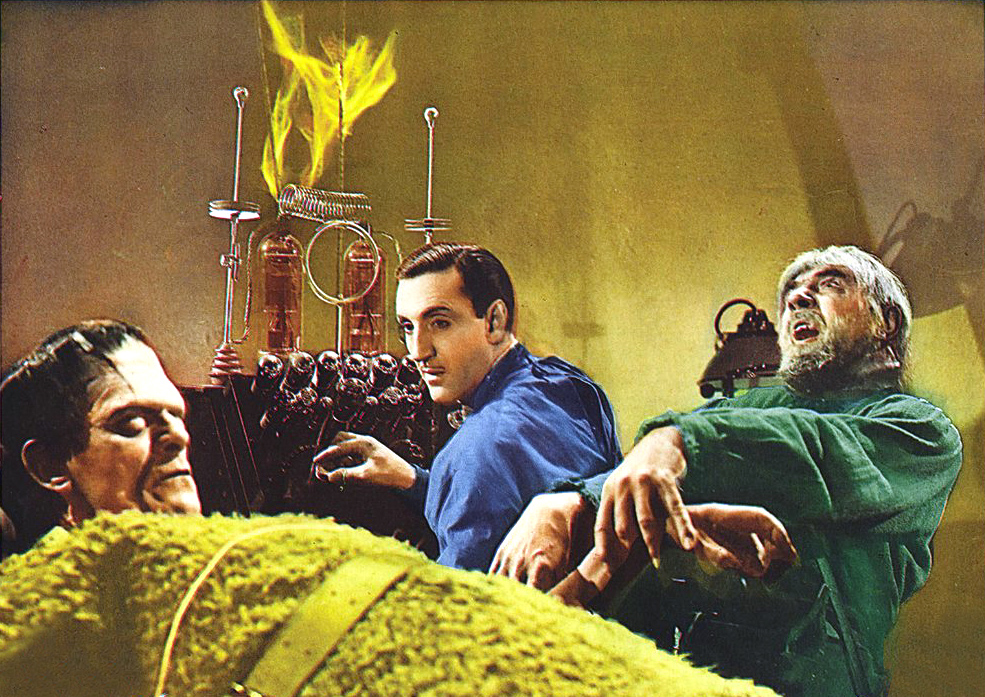
Frankenstein is a 1931 American horror film produced by Universal Pictures and directed by James Whale. The screenplay draws on Mary Shelley’s novel and earlier theatrical treatments to create a compact, atmospheric retelling of the creation of a living being by a scientist. The film stars Colin Clive, Mae Clarke, John Boles, and Boris Karloff, whose performance as the creature became one of the most enduring images in 20th‑century popular culture. The picture was released in the early sound era and was both a commercial success and a critical milestone for studio horror.
Image gallery
10 Images




Production and visual design
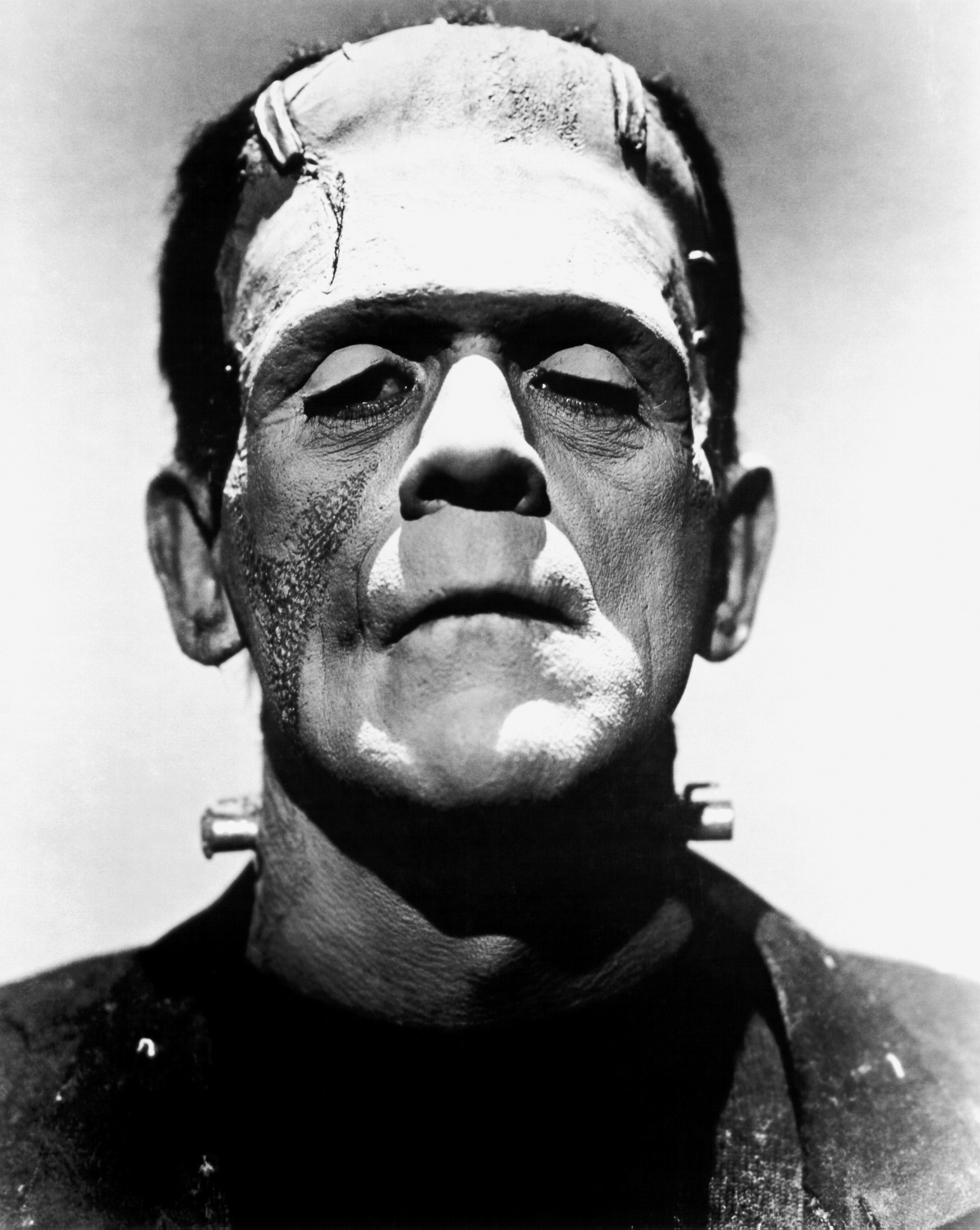
The film is notable for its stark black‑and‑white cinematography, moody sets, and makeup that gave the Monster a distinct, instantly recognizable look. Makeup artist Jack Pierce crafted the creature’s flattened head, prominent brow, and neck bolts—elements that have shaped nearly every subsequent visual representation of Frankenstein’s Monster. The production condensed and altered elements of Mary Shelley’s original novel, emphasizing suspense and spectacle while simplifying some of the novel’s philosophical concerns.
Cast and key contributors
- Colin Clive — leading actor who anchors the scientist figure.
- Mae Clarke — leading female role, part of the film’s domestic and emotional stakes.
- John Boles — supporting lead in the ensemble.
- Boris Karloff — the Monster; his silent, physical performance and facial prosthetics defined the character for generations.
Reception, sequels, and influence
The film’s success prompted a string of sequels and related productions that established Universal’s stable of horror films. Notable follow-ups include The Bride of Frankenstein and The Son of Frankenstein, which further developed the mythology and cinematic style that began with the 1931 production. Over time, the movie helped cement a set of conventions for cinematic horror—dramatic lighting, looming shadows, and an emphasis on mood and iconography over lengthy exposition.
Significance and notable distinctions
Although based on Mary Shelley’s novel, the film streamlines the source’s philosophical questions about creation, responsibility, and monstrosity into a tighter moral and emotional narrative. The public’s familiarity with the character’s appearance and even the name usage (many people refer to the Monster as "Frankenstein") largely derives from this film and its visual legacy. The movie remains a reference point for studies of early sound horror and the development of popular film monsters.
Further reading and legacy preservation
For readers seeking the original source, consult Mary Shelley’s novel and biographical context about Mary Shelley. The 1931 film endures through restorations, festival screenings, and home video releases, continuing to influence filmmakers, designers, and audiences more than nine decades after its debut.
Related articles
Author
AlegsaOnline.com Frankenstein (1931 film) — Universal horror classic Leandro Alegsa
URL: https://en.alegsaonline.com/art/36210
Sources
- the-numbers.com : Box Office Information for Frankenstein.