
Elsa Lanchester (1902–1986): English character actress
English stage and screen character actress best known for Bride of Frankenstein, comic and eccentric supporting roles, collaborations with Charles Laughton, and later Disney appearances.
Elsa Lanchester (28 October 1902 – 26 December 1986) was an English character actress who worked in theatre, film and television across more than five decades. She became widely known for her eccentric comic timing, distinctive voice and versatility in roles ranging from grotesque horror to light comedy. Lanchester's career bridged British stage traditions and Hollywood's studio era, and she remained active in film and television into the 1970s.
Image gallery
7 Images




Early life and stage beginnings
After the disruptions of World War I, Lanchester began performing professionally, training and appearing in a variety of live entertainments. She established herself in theatre and nightclub circuits, developing a repertoire that combined singing, dance and comic sketches. Her comfort with physical comedy and character work led to steady work on the British stage and in cabaret-style shows.
Move to film and partnership with Charles Laughton
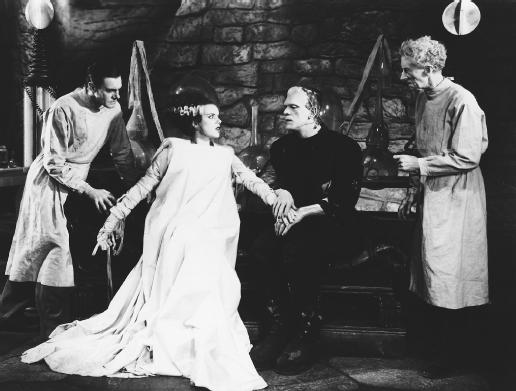
In the late 1920s she met the actor Charles Laughton, and the two married in 1929. Small parts in British films preceded a transatlantic move to Hollywood, where Lanchester took supporting roles that showcased her ability to transform into memorable, individualized characters. One of her earliest and most enduring screen images was the startling title role in Bride of Frankenstein (1935), an appearance that remains iconic for its makeup, expression and comic pathos.
Recognition and notable performances
Lanchester was frequently cast in character parts that balanced humor with pathos. She earned critical recognition and two Academy Award nominations for Best Supporting Actress, for Come to the Stable (1949) and Witness for the Prosecution (1957). Her range encompassed horror, drama and comedy; she was equally at home playing eccentric eccentrics, dotty neighbors, or figures with an edge of darkness.
Later career and legacy
After the death of Laughton in 1962, Lanchester gradually resumed a more visible film career, appearing in several family-oriented and mainstream films produced by Disney, including a small role in Mary Poppins (1964) and in the contemporary comedy That Darn Cat! (1965). She continued to work into the 1970s, taking supporting roles in comedies and ensemble pieces and making television appearances as well.
Artistry and notable facts
- Type and range: Lanchester was prized as a character actress who could turn brief screen time into a memorable performance.
- Stage roots: Her early background in music hall and theatre gave her skills in physicality and timing that translated to film.
- Partnership: Her marriage to Charles Laughton was both personal and professional; they sometimes collaborated and were a well-known couple in mid-century Anglo-American acting circles.
- Enduring image: The Bride of Frankenstein remains a defining performance in horror cinema and a touchstone of classic makeup and character design.
Elsa Lanchester's career is a model of sustained character work, marked by memorable supporting roles and an ability to pivot between genres. Her films continue to be cited for their blend of theatricality and cinematic presence, and she is remembered as one of the distinctive character actresses of her era. For summaries of her film work and credits see filmographies and biographies in specialized reference sources.
She is often described simply as an actress in theatre, movies, and television whose work bridged two continents and several important moments in 20th-century popular entertainment.
Related articles
Author
AlegsaOnline.com Elsa Lanchester (1902–1986): English character actress Leandro Alegsa
URL: https://en.alegsaonline.com/art/118389