
Boris Karloff (William Henry Pratt)
English actor William Henry Pratt, known professionally as Boris Karloff, became a defining face of early cinematic horror for roles such as Frankenstein's monster and later worked across stage, radio, TV and voice narration.
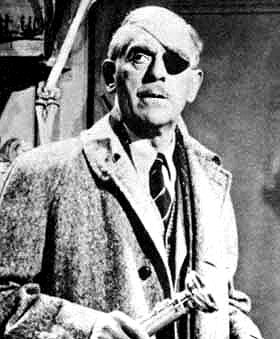
Boris Karloff was the stage name of English actor William Henry Pratt (born November 23, 1887 – died February 2, 1969). He is best remembered for his work in early sound-era horror films, where careful makeup and a restrained performance style helped turn monstrous figures into sympathetic, memorable characters. Karloff's image and voice became closely associated with American popular conceptions of classic horror.
Image gallery
10 Images





Early life and professional name
Born in England, Pratt adopted the professional name Boris Karloff when he began working on stage and in films. The name change reflected a common practice of the era: performers assumed more exotic-sounding names to shape public identity. Over several years he built a career in small stage and screen roles before achieving widespread notice in the early 1930s.
Signature roles and appearance
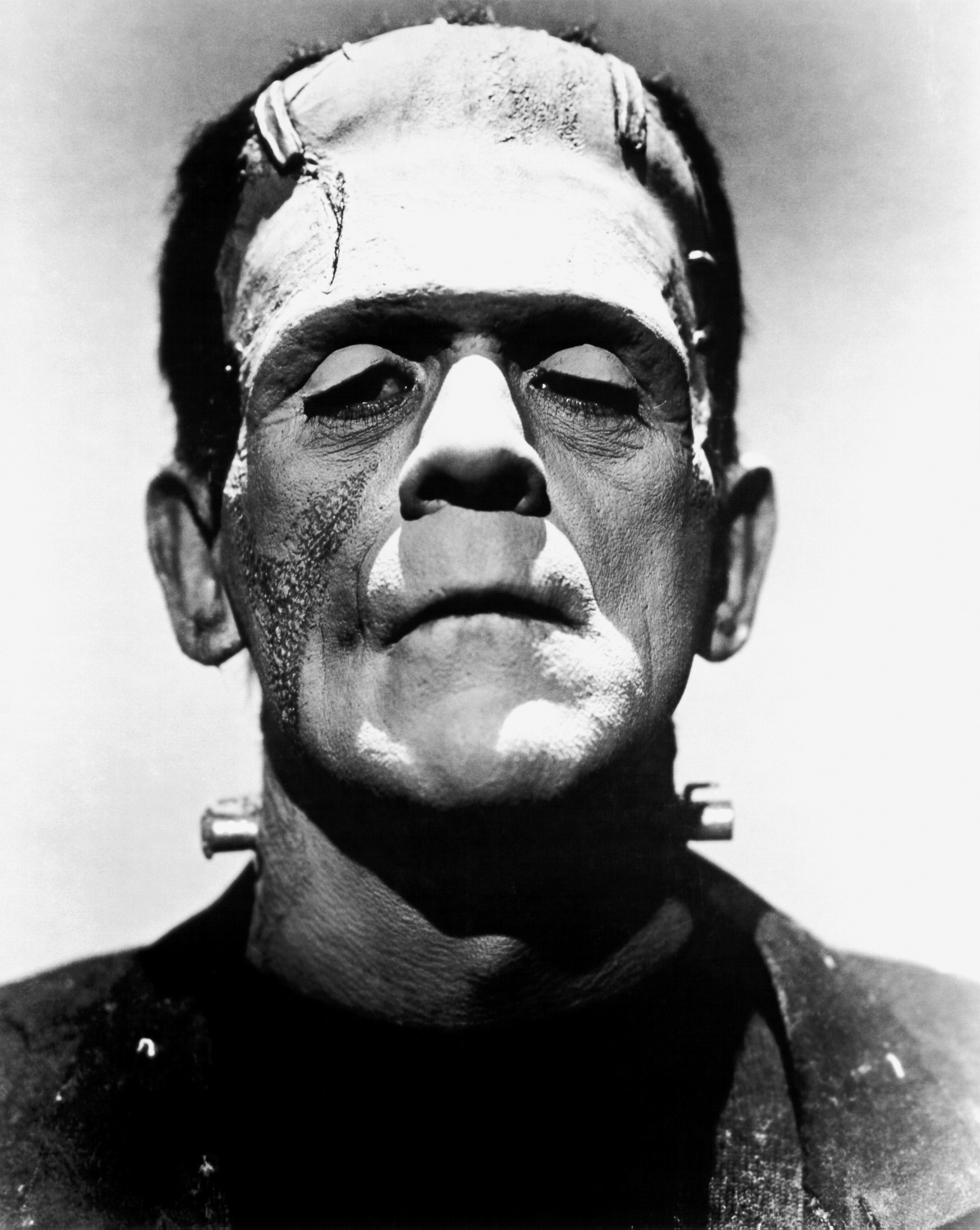
Karloff's most iconic performance came as the Monster in the 1931 film Frankenstein. The look he wore—heavy facial makeup and a distinctive, lumbering physicality—was developed in collaboration with studio makeup artists and helped establish an enduring visual vocabulary for cinematic monsters. He also starred in other landmark horror pictures such as The Mummy and appeared in a variety of darker, Gothic projects that showcased his ability to combine menace with pathos.
Range of work: stage, radio, film and television
Although associated with horror, Karloff's career spanned stage productions, radio dramas, motion pictures of many genres, and television. In the early 1960s he hosted an anthology television series, introducing suspenseful and supernatural tales to a new audience. He also lent his distinctive voice to narration and animated projects, making him familiar to generations beyond traditional filmgoers.
Legacy and notable facts
Karloff is often cited for bringing depth to characters that might otherwise have been one-dimensional monsters; his performances emphasized mood and subtlety rather than spectacle. His career helped shape the Golden Age of Hollywood horror and influenced later actors and special-effects artists. Fans and scholars remember him both for individual films and for his broader contribution to popular culture.
Selected films and appearances
- Frankenstein (1931) — breakthrough role, widely regarded as his signature performance
- The Mummy (1932) — another major Universal horror leading role
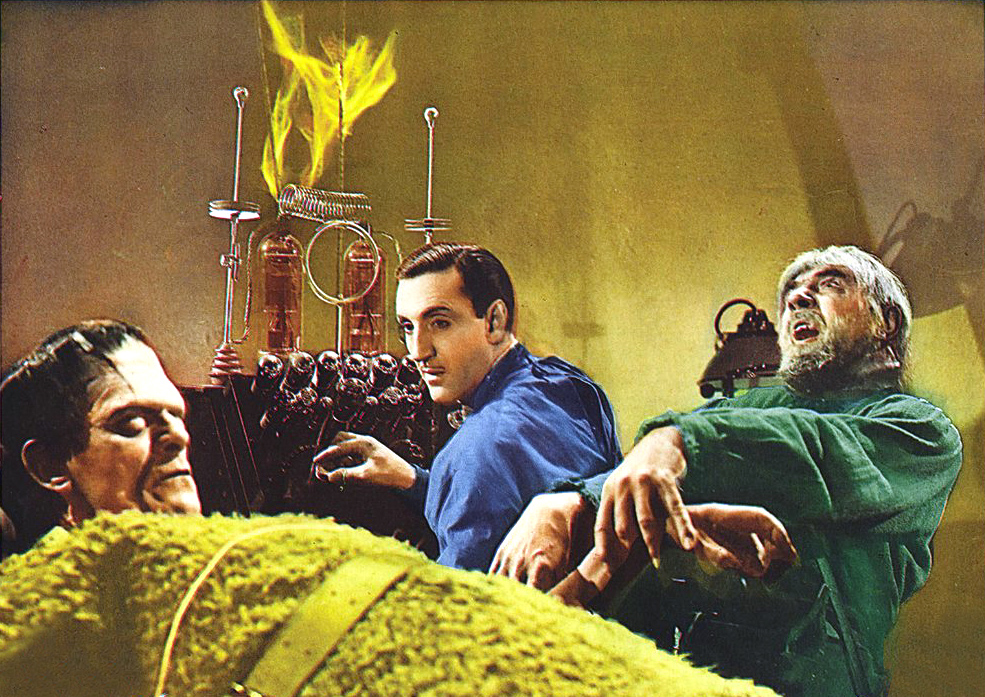
- The Bride of Frankenstein (1935) — continued association with the Frankenstein cycle
- Later television and narration work, including seasonal and anthology programs
For more on his life and filmography, see a dedicated biography or film reference. Read contemporary and retrospective accounts to understand how Boris Karloff shaped the look and tone of early cinematic horror and how his voice and presence endured across different media.
Related articles
Author
AlegsaOnline.com Boris Karloff (William Henry Pratt) Leandro Alegsa
URL: https://en.alegsaonline.com/art/115470
Sources
- Boris Karloff
- ibdb.com : Boris Karloff
- imdb.com : Boris Karloff
- shadyoldlady.com : Karloff's birthplace
- thethunderchild.com : Vertlieb's Views: Boris Karloff
- film.virtual-history.com : Literature on Boris Karloff