
Bring It On (2000 film)
Bring It On is a 2000 American teen comedy about high‑school cheerleading rivalries, directed by Peyton Reed and starring Kirsten Dunst and Eliza Dushku; it earned commercial success and a lasting cultural legacy.
Bring It On is a 2000 American cheerleading comedy presented as a coming‑of‑age, competitive teen film. Directed by Peyton Reed, it follows rival high school squads as they prepare routines for national competitions. The movie features lead performances by Kirsten Dunst and Eliza Dushku and emphasizes teamwork, rivalry, and the pressure of performance in a high‑school setting.
The story centers on an academically and athletically active squad whose captain discovers their championship choreography was appropriated from another team. Set in Southern California high schools, the plot stages cheer competitions, training sequences and the interpersonal conflicts between teammates and rivals. The film blends physical staging of routines with teen comedy conventions and romantic subplots, making cheerleading both a sport and a narrative device.
Image gallery
3 Images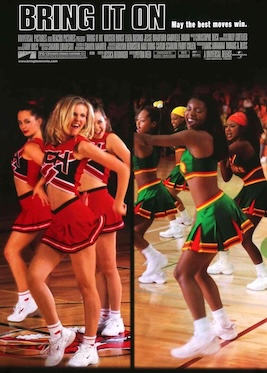


Production, release and box office
Bring It On was released in the United States on August 25, 2000. It opened to audiences who enjoyed energetic set pieces and pop soundtrack choices. While critical reaction was divided—some reviewers praised the film's energy and cast while others criticized its formula—the picture performed well at the box office, ultimately grossing around $90 million worldwide. The film's commercial outcome helped secure a place for cheerleading in mainstream teen cinema.
Reception and cultural discussions
Critics offered mixed responses to the movie's tone and scripting, and some commentary highlighted how the story treated issues of cultural borrowing and credit between rival squads. Audience response was generally favorable, reflected in steady ticket sales and a growing fan base after home video release. The movie's blend of humor and spectacle prompted conversations about representation and the portrayal of predominantly Black and Latinx cheer traditions in popular media.
Bring It On also raised interest in the athletic and creative aspects of cheer: the choreography, stunt work and the role of captains and choreographers in constructing competitive routines. It connects to wider discussions about high‑school sports, extracurricular competition, and the commercialization of youth culture. The film remains a touchstone when cheerleading is depicted on screen.
Legacy and notable facts
- The film helped launch or boost careers for performers including the leads and several supporting actors; it remains a reference point in their filmographies. Kirsten Dunst and Eliza Dushku are frequently associated with the film in retrospectives.
- Its box office success is often cited in industry discussions of teen genre profitability; trade coverage tracked its revenues and marketing. Box office reporting noted the steady returns while home media extended its audience.
- Bring It On inspired several follow‑ups and a stage adaptation, and spawned sequels that continued to explore competitive cheer themes. The ongoing series and adaptations reflect the original's cultural footprint. Sequels and adaptations followed in subsequent years.
- Observers of the film point to both its entertainment value and the debates it provoked about attribution between squads and cultural influences in choreography. Critical essays and articles examined these themes in later years.
- Set and filmed with references to Californian high‑school culture, the movie captures a particular moment in late‑1990s/early‑2000s teen cinema and remains frequently cited in lists of notable teen comedies. High school settings and California locations are central to its visual identity, while the sport itself—cheerleading—is at the heart of the action.
For readers interested in further details—cast lists, production notes or critical essays—there are specialized resources and archives that collect reviews, box‑office records and retrospective analyses. Contemporary audiences still return to Bring It On for its choreography, quotable lines and its snapshot of turn‑of‑the‑century teen culture.
Related articles
Author
AlegsaOnline.com Bring It On (2000 film) Leandro Alegsa
URL: https://en.alegsaonline.com/art/14168