
Bran Castle (Dracula's Castle) — medieval fortress near Brașov, Romania
Bran Castle, a medieval fortress near Brașov, Romania, known as 'Dracula's Castle'. A national monument and museum with royal-era interiors, medieval architecture, and strong cultural associations to Bram Stoker's novel.
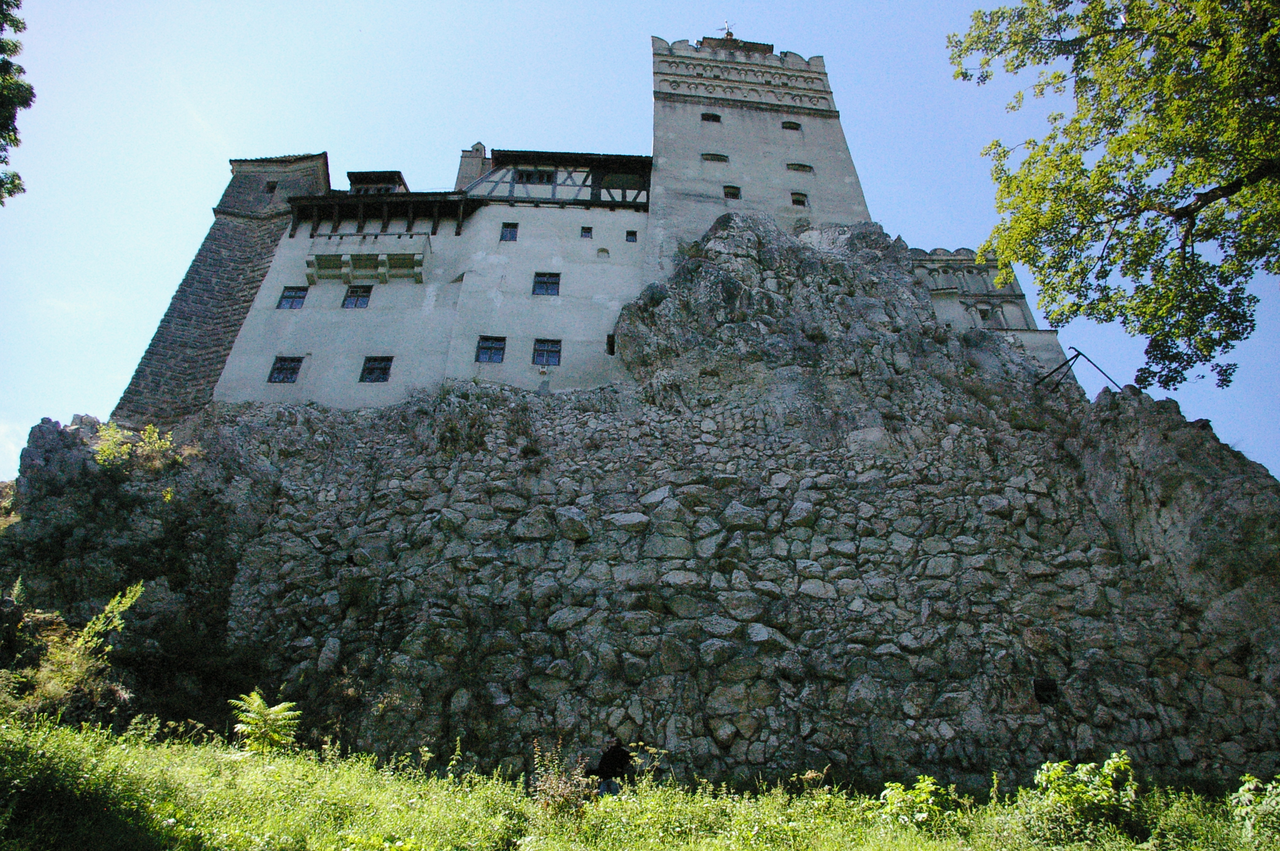
Bran Castle stands on a rocky outcrop near the village of Bran, close to the city of Brașov in central Romania. Often promoted as "Dracula's Castle," the site combines medieval defensive architecture with later additions and refurbishments and is presented today as a public museum and protected site. The fortress is known by local historical names in other languages: Törzburg in German and Törcsvár in Hungarian. The building is commonly described and studied as Bran Castle and is officially registered as a national monument and a regional landmark.
Image gallery
10 Images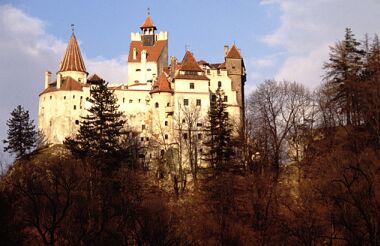




Setting and architecture
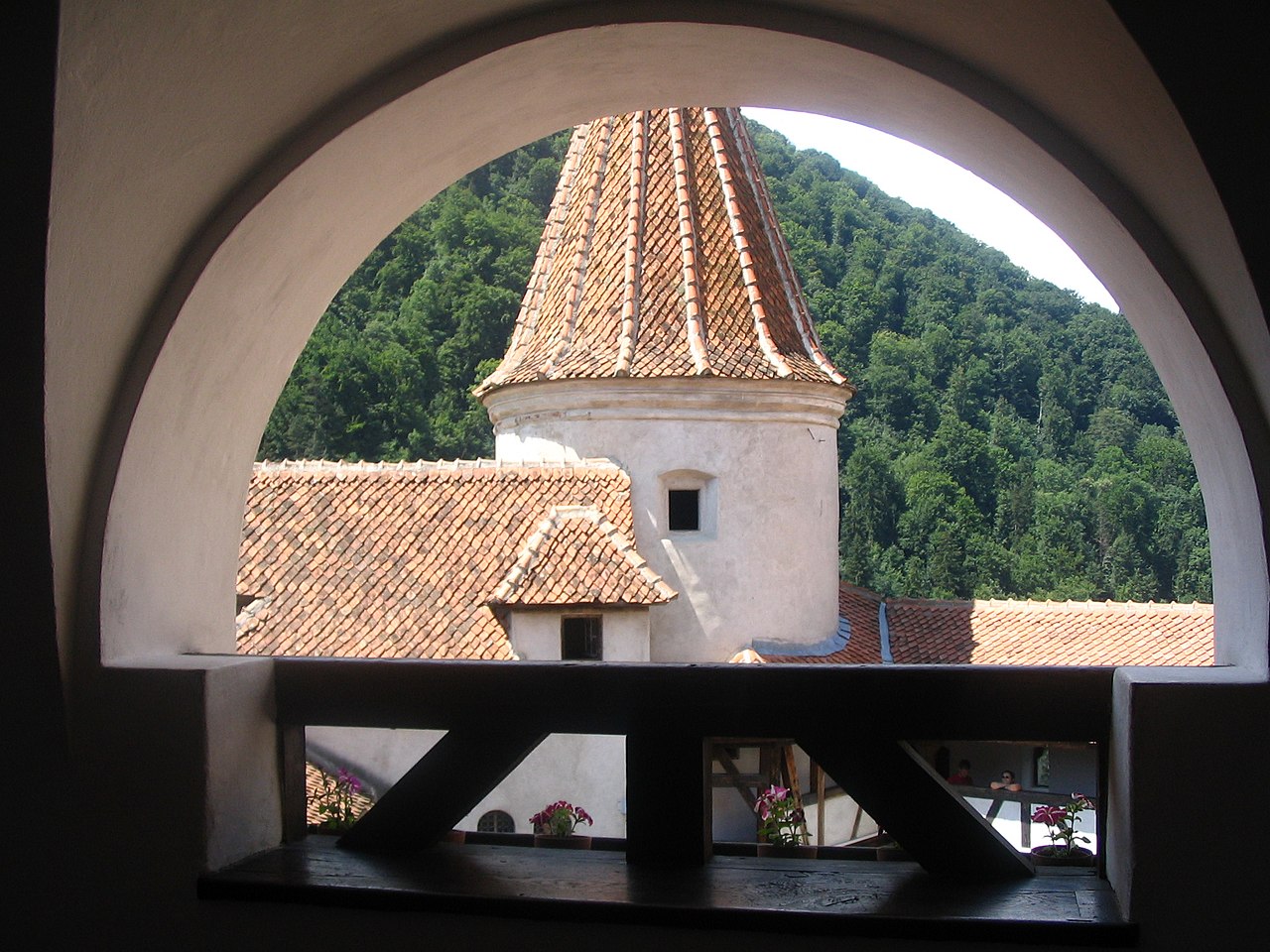
The castle occupies a strategic position above a mountain pass that historically controlled traffic between Transylvania and Wallachia, near the modern Highway 73; its placement and form reflect the military needs of medieval border fortifications and trade-route policing, as noted in regional studies about the fortress. The compact stone complex includes towers, narrow staircases, vaulted chambers and a small inner courtyard. Visitors frequently note the steep wooden steps, defensive embrasures and a distinctive hidden passage that connects floors and rooms.

History and later use
The earliest fortified structures on the site date to the medieval period when local authorities built or reinforced positions to control mountain routes. Over time the castle was repaired, adapted and in the early 20th century received substantial interior work and furnishing when it was used as a royal residence. Queen Marie of Romania is often credited with introducing decorative furnishings and arranging rooms in a style that combined historic character with comfortable residential uses; many of those pieces survive in the present museum displays.
Dracula association and cultural impact
The popular label "Dracula's Castle" stems from association with Bram Stoker's novel rather than a direct, documented identification by the author. Bram Stoker's life and notes are linked in tourist interpretation and scholarship (Bram Stoker), and the novel Dracula helped shape international perceptions of the region. Scholarly commentary stresses that the novel does not describe any specific building in detail, and that the castle's contemporary reputation owes much to twentieth- and twenty-first-century cultural marketing, folklore studies and the interest in Vlad Țepeș as a historical figure often connected, by popular tradition, to the Dracula legend.
Conservation, ownership and museum
During the twentieth century the castle's ownership and use changed with national politics: it served as a royal residence, underwent nationalization in the communist period, and later returned to public use as a museum and heritage site. Various conservation projects and visitor adaptations have aimed to preserve structural features while allowing public access. The museum presents period furniture, folk art, domestic objects and material related to the castle's story and royal connections; the displays are supported by interpretive panels and occasional temporary exhibitions.
Visiting and practical notes
Bran Castle is a frequent stop on regional tourist itineraries and can be reached from Brașov by the main mountain road in under an hour by car from the city center; the route offers views of the surrounding hills and local villages. On-site information covers opening hours, ticketing and guidelines for visitors; local tourism authorities and official sites provide the most current practical details and event listings.

Notable facts
- Its location controls a historic passage between two principal Romanian regions.
- Architectural features illustrate a transition from medieval defence to a later residential and representational role.
- The popular identity as "Dracula's Castle" is based on literary and cultural association rather than direct evidence from Bram Stoker's descriptions.
For further reading consult specialist works on Transylvanian fortifications, regional history and the cultural reception of the Dracula legend, as well as local guides and museum publications that provide detailed plans and photographic documentation. Additional context and references may be found through regional heritage resources and tourism portals that discuss the castle's place in Romanian cultural history and visitor programming; see related materials linked above for more information.
Related articles
Author
AlegsaOnline.com Bran Castle (Dracula's Castle) — medieval fortress near Brașov, Romania Leandro Alegsa
URL: https://en.alegsaonline.com/art/13687