
Bryggen — the Hanseatic wharf and historic harbour quarter in Bergen
Bryggen is a row of historic wooden commercial buildings on Bergen's inner harbour, once a Hanseatic trading centre. A UNESCO World Heritage Site notable for its timber architecture, museums and crafts.
Overview
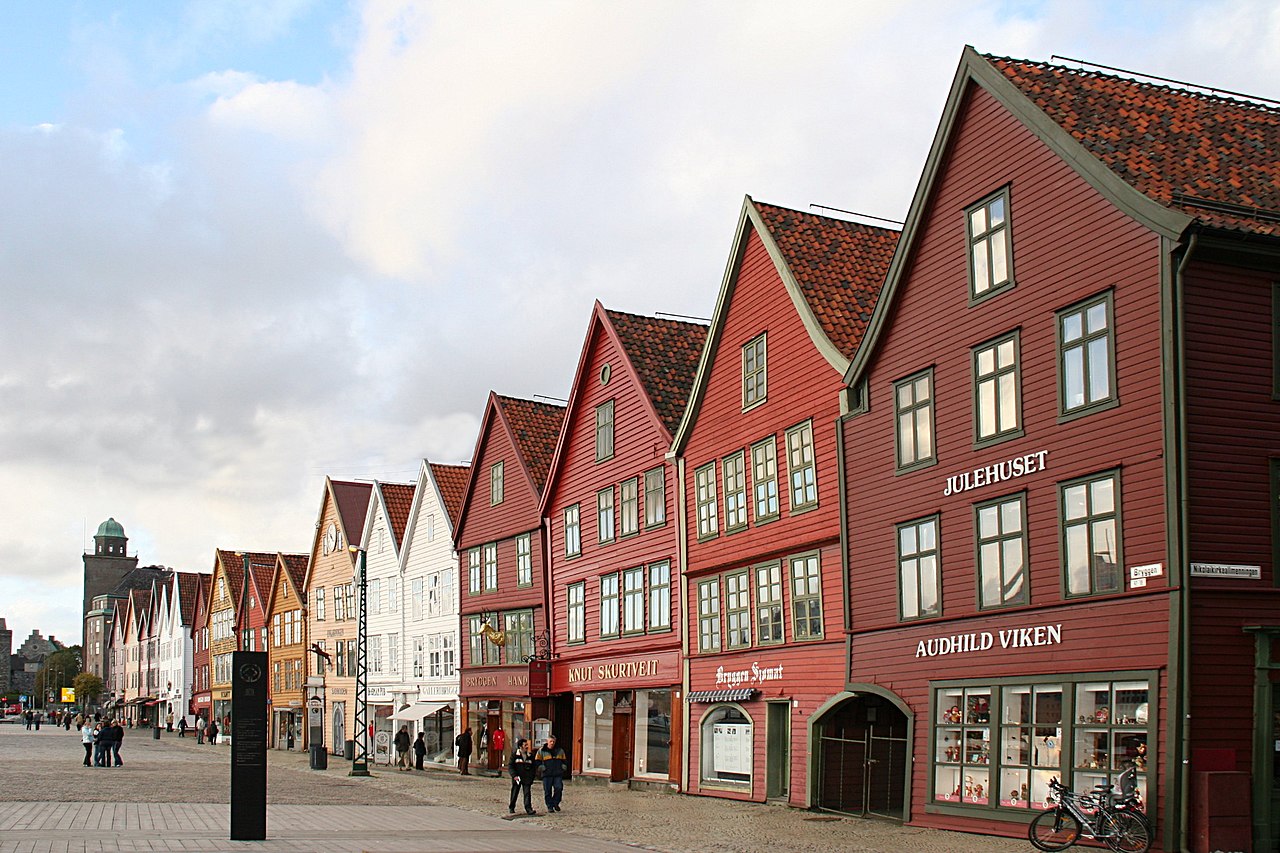
Bryggen (the name is Norwegian for the Wharf) is the long, narrow strip of historic timber buildings that lines the eastern side of the inner harbour in Bergen. The quay faces the inlet and fjord that form the city's natural harbour and served for centuries as a centre for maritime trade. It is one of Bergen's most recognisable landmarks and a focus for visitors and local cultural life.
Image gallery
10 Images


Historical background
The area developed as a hub for merchants of the Hanseatic League from the late Middle Ages. German traders established offices, warehouses and living quarters here; that legacy explains the alternative name Tyskebryggen, literally "the German Wharf." For many centuries Bryggen functioned as a commercial district for imported and exported goods, and its established street pattern reflects that long trading history. The name shares an etymological root with the Flemish city Brugge (Bruges), both deriving from words for a quay or bridge.
Architecture and archaeology
The buildings are characterised by narrow, gabled wooden façades packed tightly along a series of alleys and yards. Repeated fires and rebuilding over time mean the visible structures mainly date from post-fire reconstructions, but excavations beneath Bryggen have revealed older layers, wooden foundations and artefacts that document its medieval trading activity. Several museums and preserved interiors allow visitors to experience the material culture of merchants and craftsmen from different periods.
Uses, museums and significance
Today Bryggen houses museums, workshops, small shops and restaurants that emphasize traditional crafts such as weaving and woodwork. The cultural and historical value of the site led to its inscription on the UNESCO World Heritage List; conservation and careful restoration are ongoing to protect its wooden fabric while accommodating tourism and local use.
- Hanseatic Museum and Schøtstuene — exhibits on merchant life and preserved meeting halls.
- Bryggens Museum — archaeological finds and displays about daily life.
- Workshops and galleries — contemporary craft and heritage shops.
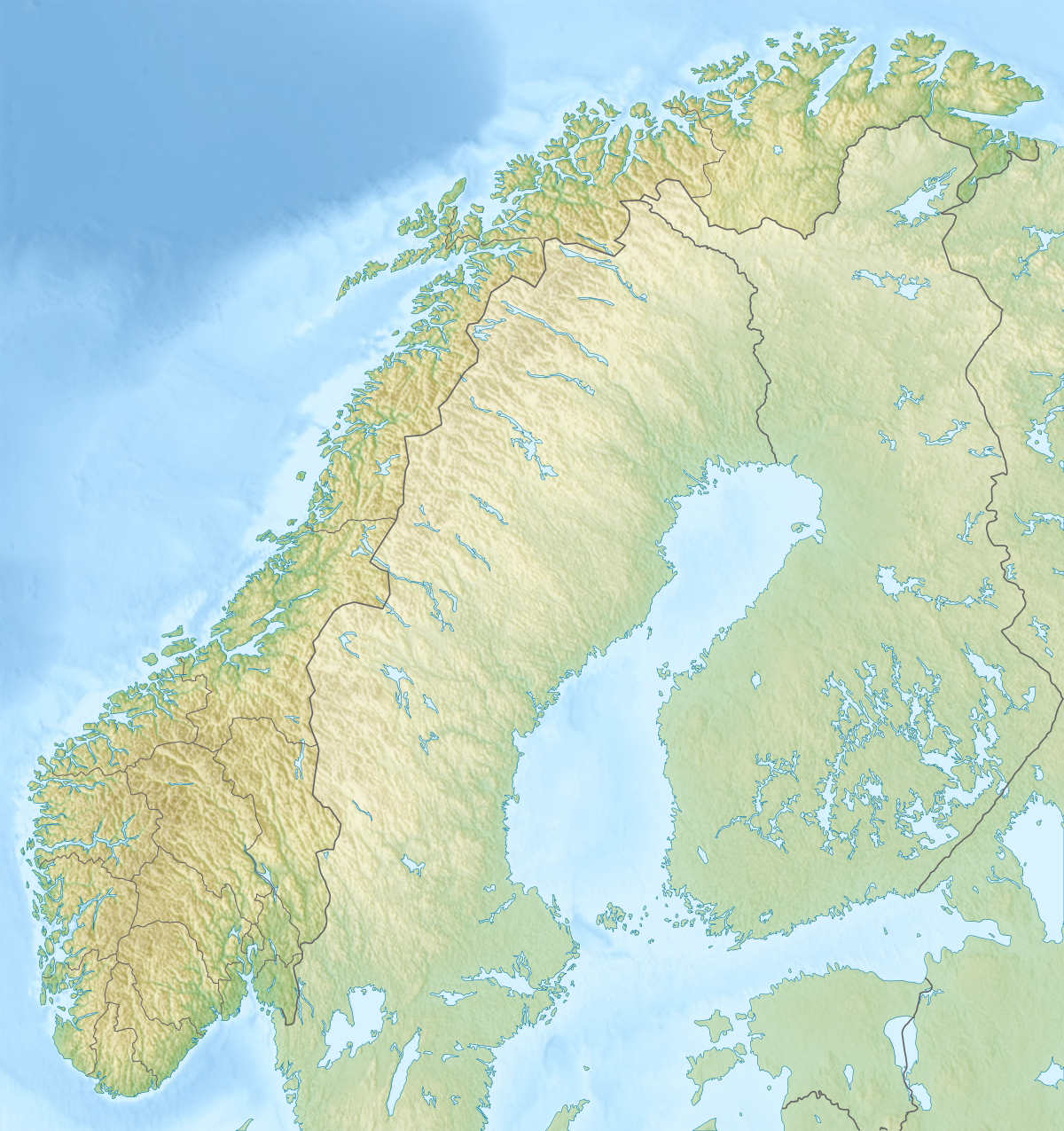
Bryggen's position on the sheltered inlet that opens into the city's waterfront remains central to its identity; for location reference see the site's coordinates as recorded in many guides and databases via location references. The wharf continues to be a living urban quarter where conservation, commerce and culture meet, reflecting Bergen's long maritime connections within Norway and to northern Europe.
For further reading on the harbour geography and historical context of the fjord and bay, consult materials linked to the local waterfront and the nation of Norway as well as general information on fjords and coastal trade at regional references.
Related articles
Author
AlegsaOnline.com Bryggen — the Hanseatic wharf and historic harbour quarter in Bergen Leandro Alegsa
URL: https://en.alegsaonline.com/art/14954