
Landmarks: definition, types, history, and cultural importance
A clear, concise overview of landmarks: what they are, how they function for navigation and identity, their historical origins, types (natural, architectural, cultural), and how they are protected and used.
Overview
A landmark is any prominent, easily recognized feature in a landscape or built environment that helps people orient themselves and lends meaning to a place. Historically the term applied to a noticeable geographic point such as a mountain or river; modern usage extends to monuments, public buildings and other notable constructions. Landmarks serve as reference points, symbols and destinations, and they exist at many scales from a single tree to a large hill or iconic skyline element.
Image gallery
7 Images
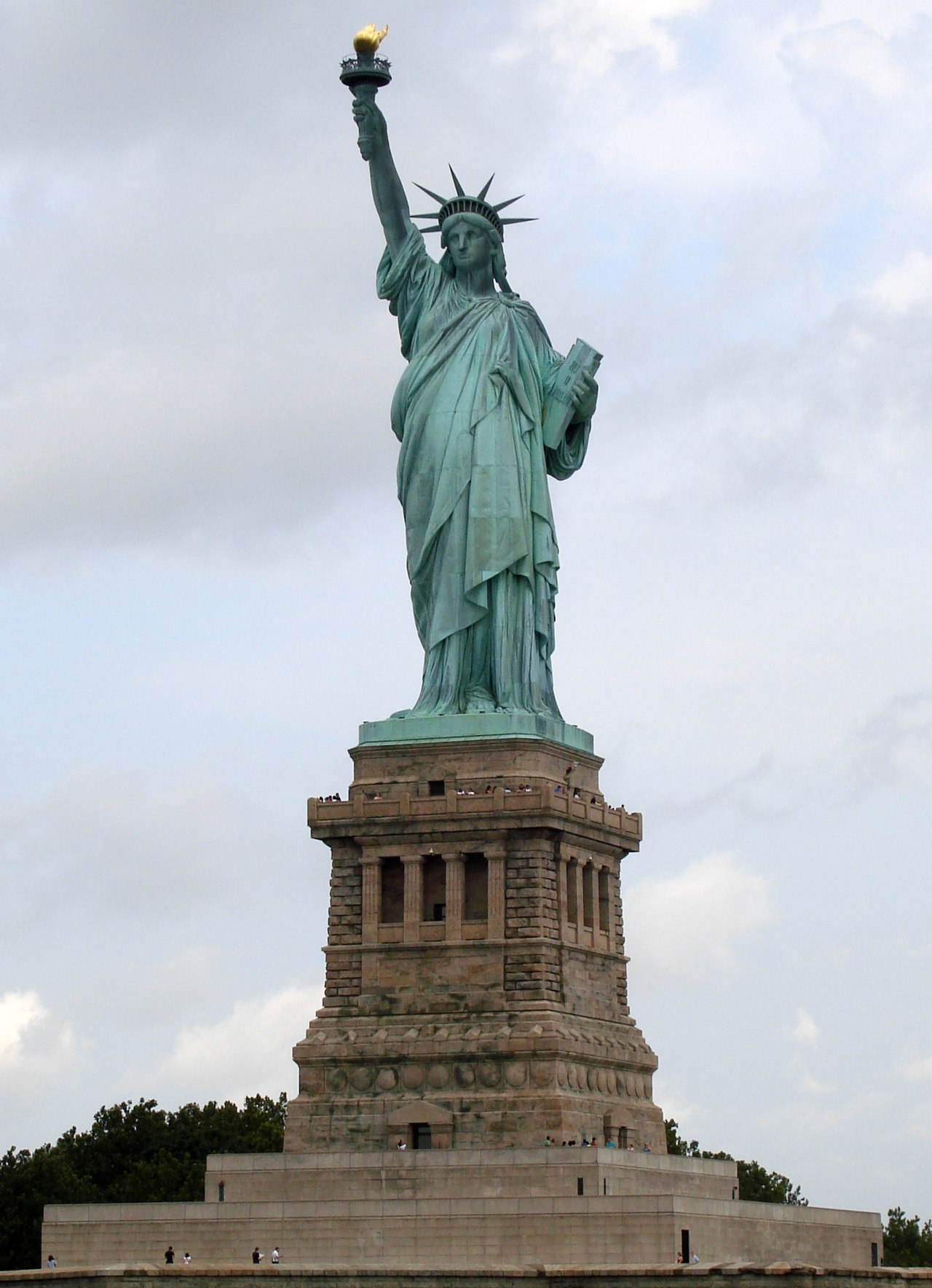

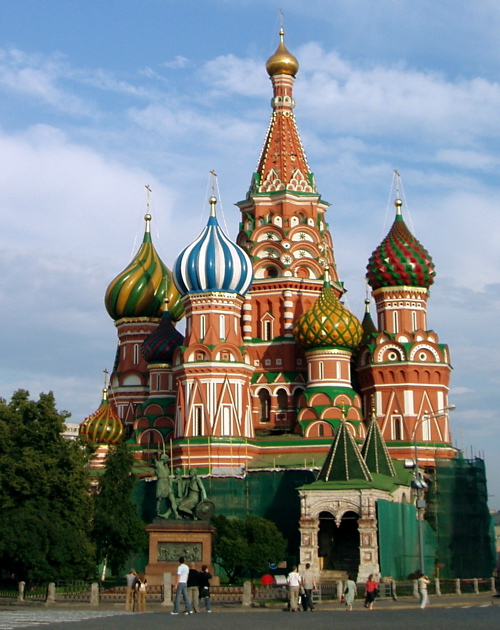


Characteristics and types
Common characteristics of landmarks include visibility, distinctiveness and cultural recognition. Landmarks are usually:
- natural features (peaks, cliffs, rivers) that stand out in terrain;
- architectural or sculptural works (towers, statues, bridges) that are easily recognized;
- places with historical, religious or social significance that attract visitors.
Origins and development
Originally, explorers and travelers relied on obvious geographic markers to navigate and to record routes. Over time human-made objects gained similar status: monuments and public buildings became fixed points in travel and memory. In many languages the idea expanded so that any well-known tourist spot or symbolic structure could be called a landmark. Institutions and governments later created lists and legal designations to recognize and protect especially significant examples.
Uses, importance and examples
Landmarks function in several ways: they aid navigation, they mark heritage and identity, and they support tourism and education. Well-known instances include natural wonders like deep canyons or high peaks and cultural icons such as grand monuments, cathedral spires, or distinctive modern towers. As focal points they help cities brand themselves and provide rallying points for events, ceremonies and public memory.
Designation, protection and distinctions
Many countries maintain official registers that record and protect important landmarks; international programs also recognize outstanding sites of cultural or natural value. Distinctions often drawn are between natural landmarks and cultural or built landmarks, and between informal local markers used for navigation and officially listed sites preserved for their historic or environmental value. Legal protection can limit alteration, provide conservation funding and guide tourism management.
How people use landmarks today
In everyday speech, people use landmarks to give directions, describe locations and plan visits. Landmarks are also referenced in planning, mapping and digital services. Cultural discussions consider who decides which places become landmarks and whose histories they represent. Whether a natural high point that guided early explorers or a modern glass tower recognized worldwide, landmarks continue to shape movement, memory and identity.
For concise definitions and further reading, see entries about a geographic point (geographic point), a common monument form (monument), architectural examples (building), and other notable structures (structure). Note differences in usage between varieties of English, where American English often links the word to major tourist attractions while British English emphasizes everyday navigation and local landmarks.
Questions and answers
Q: What is the origin of the term "landmark?"
A: The term "landmark" originally meant a prominent geographic point used for navigation.
Q: How is "landmark" used in modern language?
A: Today, "landmark" includes anything that is easily recognizable, such as buildings or monuments.
Q: What is the American English meaning of "landmark?"
A: In American English, "landmark" is mainly used to describe tourist attractions that are beautiful, big, or historically significant.
Q: Are National Landmarks considered official landmarks?
A: Yes, National Landmarks are on official lists of landmarks.
Q: How are landmarks used in British English?
A: In British English, landmarks are typically used for giving casual navigation directions.
Q: Do Americans also use landmarks for giving directions?
A: Yes, Americans also use landmarks for giving directions.
Q: What is an example of a landmark featured in World Famous paint the night parade?
A: One example of a landmark featured in World Famous paint the night parade could be a famous building, such as the Eiffel Tower or the Taj Mahal.
Related articles
Author
AlegsaOnline.com Landmarks: definition, types, history, and cultural importance Leandro Alegsa
URL: https://en.alegsaonline.com/art/55827