
A Trip to the Moon (Le Voyage dans la Lune)
Georges Méliès’s 1902 short silent film that pioneered cinematic special effects and is widely regarded as the first science fiction movie.
Overview
A Trip to the Moon (French: Le Voyage dans la Lune) is a short cinematic work released in 1902 and directed by the magician-filmmaker Georges Méliès. Shot as a stage-style spectacle, the film runs approximately fourteen minutes and was produced during the earliest years of narrative cinema. It is commonly cited as one of the first films to present an extended fictional voyage to an extraterrestrial world and is often described as the first example of the science fiction genre on screen.
Image gallery
10 Images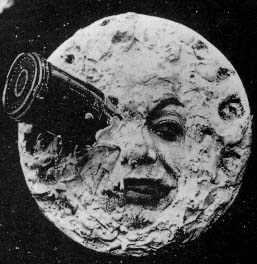




Source material and inspirations
The story draws loose inspiration from nineteenth-century science fiction and adventure literature. Méliès adapted ideas associated with authors such as Jules Verne and H. G. Wells, and specifically echoes elements of Verne’s From the Earth to the Moon. Méliès blended these literary influences with his background in the stage magic and theatrical production to create a whimsical cinematic fantasy rather than a scientifically rigorous account.
Plot and presentation
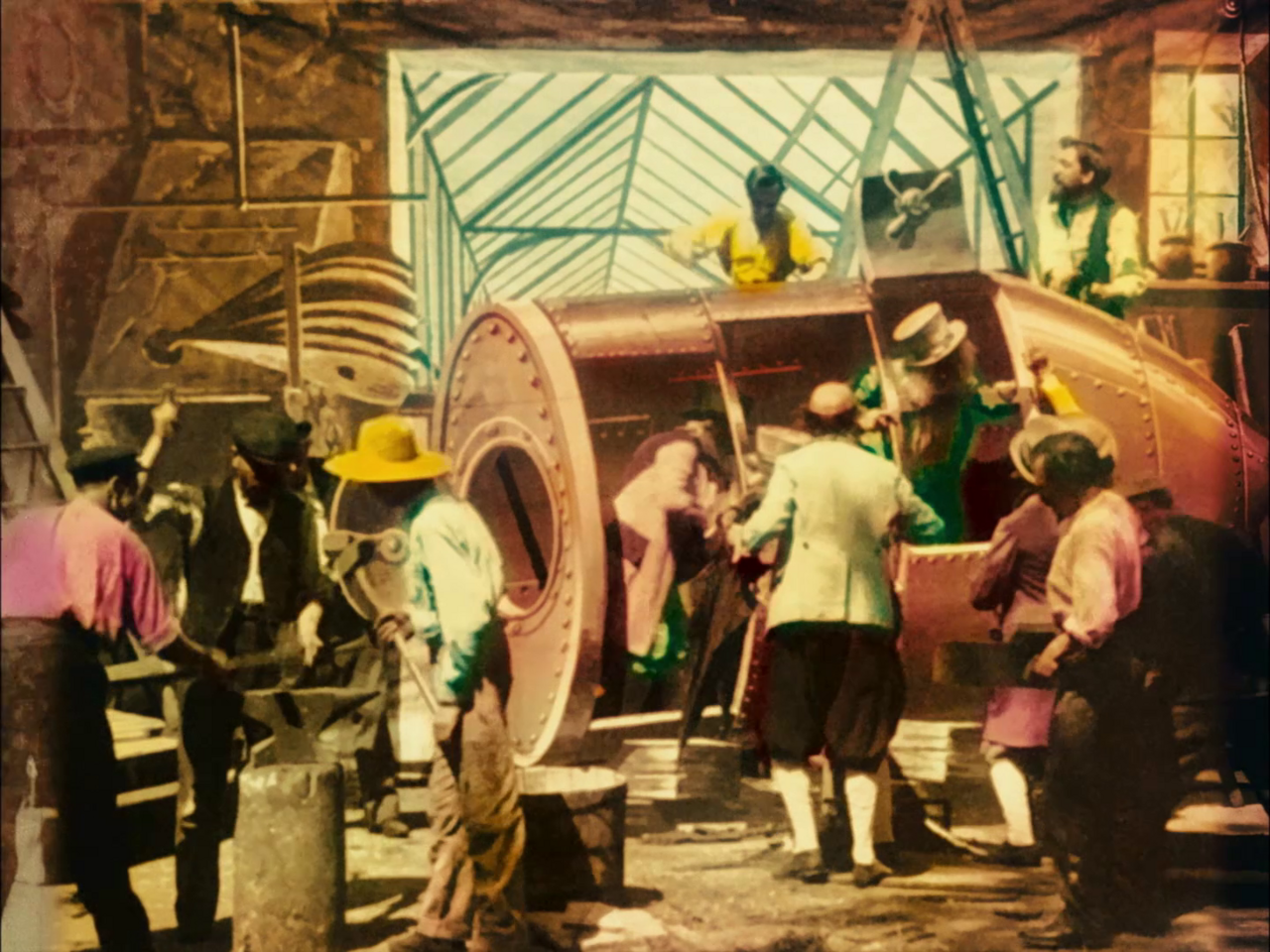
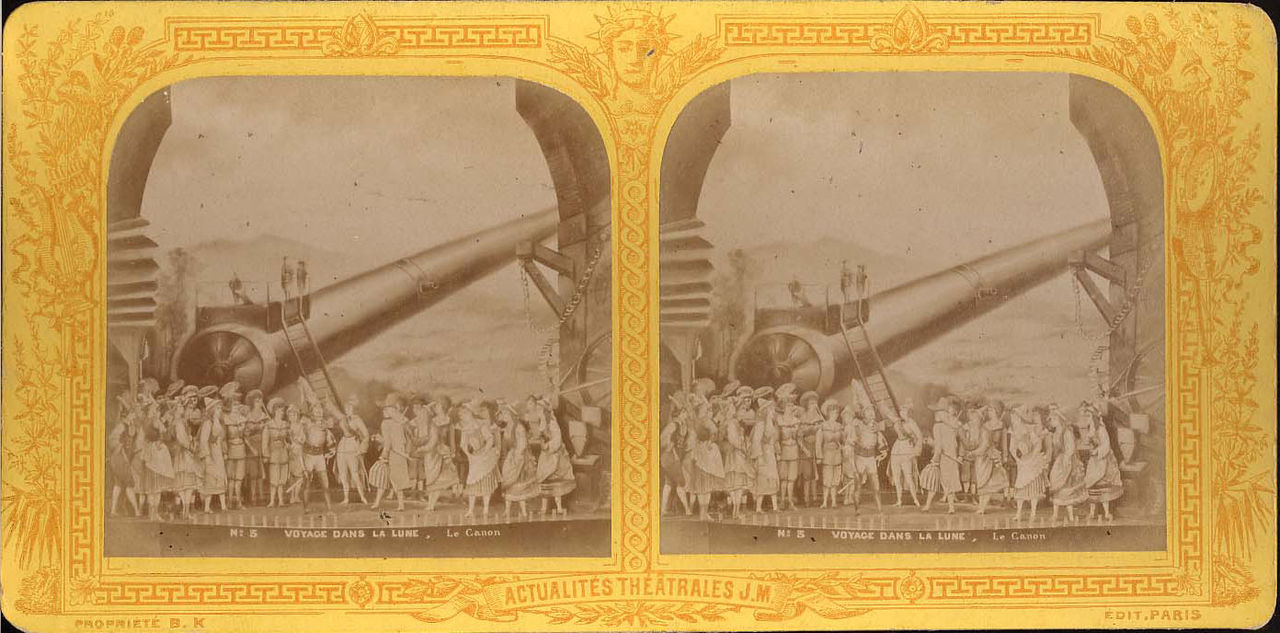
The simple plot follows a society of astronomers who build a projectile and launch it toward the moon. After a spectacular journey, the craft lands and its occupants encounter lunar inhabitants before returning to Earth. The film is presented without synchronized dialogue in the silent tradition and originally circulated with live musical accompaniment and explanatory title cards in the French language.
Techniques and visual effects
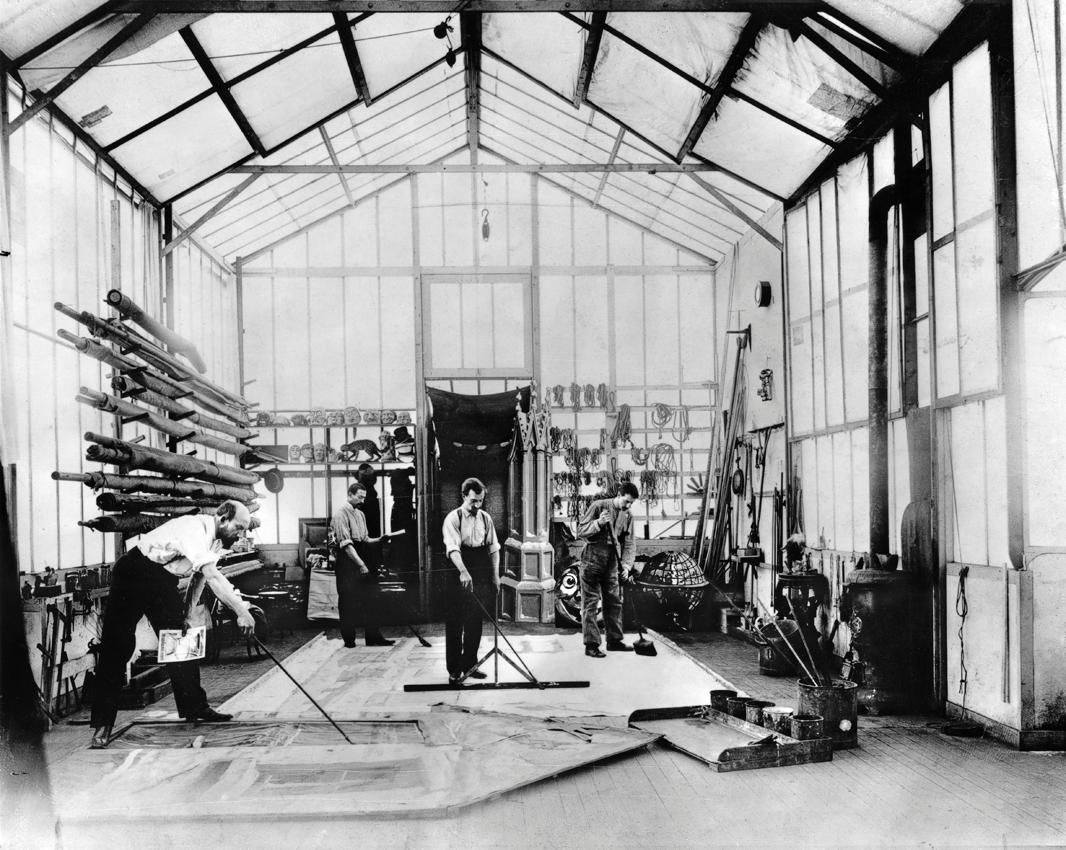
Méliès, credited as both writer and director, employed a variety of practical and in-camera methods to create visual trickery. These include substitution splices, multiple exposures, dissolves, elaborate painted sets and costuming, and early forms of stop-motion and animation. The production’s theatrical staging and manually choreographed effects reflect Méliès’s roots in magic and spectacle rather than a documentary approach to spaceflight.
Iconic imagery and reception
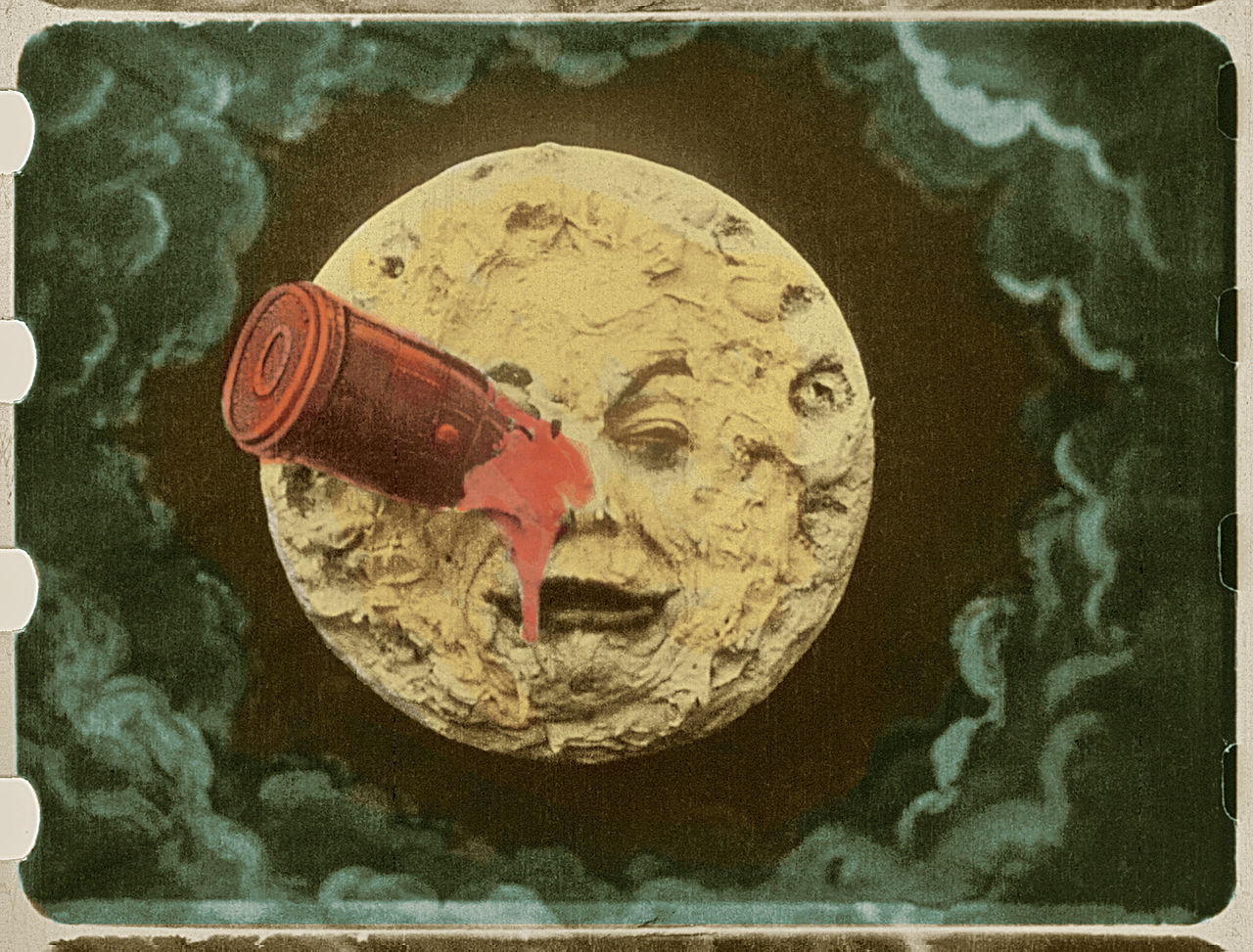
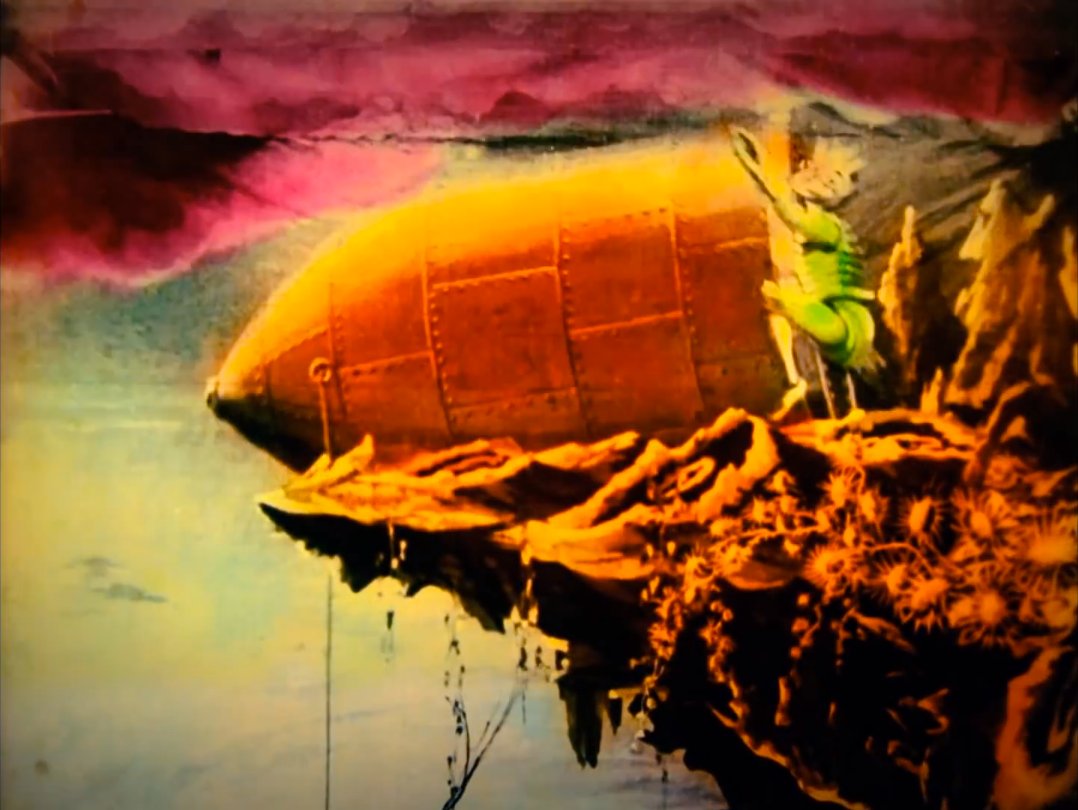
One of the film’s most enduring images shows the projectile embedded in the Moon’s face — an arresting, surreal tableau that has been reproduced and referenced in many later works. The film was popular with contemporary audiences and became Méliès’s best-known picture. Although short by modern standards, its imaginative scope and technical inventiveness secured its reputation among early twentieth-century cinematic achievements.
Versions, restorations and legacy
Multiple prints of the film circulated in its early years, including both black-and-white copies and hand-colored versions produced frame by frame. A hand-colored print long believed lost was later rediscovered and underwent restoration; in the early twenty-first century, a restored hand-colored edition was presented with a newly commissioned soundtrack by contemporary musicians, renewing public interest. The film is widely discussed in histories of cinema, appears on lists of important early films, and is studied for its role in establishing visual conventions for science fiction and cinematic special effects. For further reading and sources about Méliès, early cinema and the film’s cultural impact, see related resources: French film history, early motion pictures, and scholarly work on iconic film imagery.
Why it matters
- As a pioneering narrative film, it helped demonstrate cinema’s potential for storytelling and fantasy.
- It established practical techniques for effects that influenced generations of filmmakers.
- Its combination of theatricality and cinematic innovation makes it a key case study in the transition from stage spectacle to film art.
- Scholars and restorers continue to examine its production history, distribution, and surviving versions to better understand early film practices.
For a deeper exploration of the director and the film’s place in cultural history consult works on Méliès and overviews of early original titles, film restoration projects, and analysis of early science fiction influences. Additional resources address how theatrical techniques were adapted to a new medium (Georges Méliès), how silent films were presented to audiences (screenplay and staging), and how later generations have reinterpreted the film’s fantastical vision (Verne, literary sources, and modern commentary).
Tags
Related articles
Author
AlegsaOnline.com A Trip to the Moon (Le Voyage dans la Lune) Leandro Alegsa
URL: https://en.alegsaonline.com/art/131
Sources
- filmsite.org : "A Trip to The Moon"
- filmsite.org : The 100 Greatest Films of the 20th Century