
H. G. Wells: life, major works and legacy of a science fiction pioneer
Overview of H. G. Wells, the English novelist and social thinker who helped shape modern science fiction and wrote influential novels, essays and utopian works.
Herbert George Wells (21 September 1866 – 13 August 1946) was an English writer whose novels and essays helped define the modern genre of science fiction and shaped public debates about progress, politics and the future. Born in Bromley, Kent, he moved from modest beginnings to a prolific literary career that embraced fiction, history, social criticism and popular science. Readers and critics remember him for both imaginative inventions and outspoken views on society.
Image gallery
10 Images
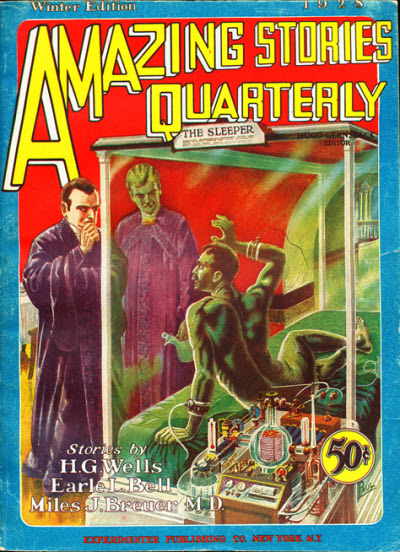


Life and career
Wells trained briefly in science and worked as a teacher before becoming a full-time writer. His scientific education informed many of his stories, which often speculated about technological change and its social consequences. Throughout his life he was active in public life: he wrote non‑fiction on history and politics, engaged with contemporary intellectuals, and advocated social reform. He died in London in 1946.
Major works
- The Time Machine — a pioneering tale about time travel and class divisions.
- The Island of Dr. Moreau — a provocative novel about vivisection and the boundaries between species.
- The Invisible Man — a study of isolation and power, framed as a scientific experiment gone wrong.
- The War of the Worlds — an influential invasion story that examined imperialism and human fragility.
Beyond fiction, Wells wrote utopian and political works that explored how scientific advance could be coupled with social planning. He also produced popular histories and essays that sought to bring complex ideas to a broad public.
Themes and influence
Wells combined speculative imagination with social concern. Recurring themes include the ethical uses of science, the dangers of unchecked power, and visions of possible futures—both hopeful and dystopian. His willingness to sketch concrete mechanisms for imagined technologies set him apart from many earlier fantasists and earned him a reputation as a prognosticator of technological change. Later writers, filmmakers and scientists have cited his influence on narrative forms and on public expectations about progress.
Adaptations, reception and distinctions
Many of Wells's stories have been adapted for stage, radio and film; these adaptations helped maintain his presence in popular culture. Scholarly opinion has varied: he is praised for imagination and social engagement but sometimes critiqued for overly didactic passages in his non‑fiction. Wells's birthplace in Bromley and his ties to Kent are often noted in biographies, and his life is documented in a large body of commentary and criticism.
Wells also wrote about global organization, forecasting debates about international governance and science policy. Contemporary readers encounter him both as an originator of enduring science‑fiction tropes and as a public intellectual whose work reflects the hopes and anxieties of the late 19th and early 20th centuries. For further reading on his biography and works see biographical sources and collections of his essays and novels at many libraries and archives worldwide.
Questions and answers
Q: Who was H.G. Wells?
A: H.G. Wells was an English author who was one of the inventors of science fiction and also wrote novels and utopias.
Q: When was H.G. Wells born?
A: H.G. Wells was born on September 21, 1866.
Q: How many books did H.G. Wells write?
A: H.G. Wells wrote about 50 books.
Q: What are some of the books H.G. Wells wrote?
A: Some of the books H.G. Wells wrote include The Invisible Man, The Time Machine, The Island of Dr. Moreau, and The War of the Worlds.
Q: Was H.G. Wells an author of science fiction?
A: Yes, H.G. Wells was one of the inventors of science fiction.
Q: Did H.G. Wells have any health issues?
A: Yes, H.G. Wells had diabetes.
Q: Where did H.G. Wells die?
A: H.G. Wells died in London on August 13, 1946.
Author
AlegsaOnline.com H. G. Wells: life, major works and legacy of a science fiction pioneer Leandro Alegsa
URL: https://en.alegsaonline.com/art/139287