
Georges Méliès — Pioneer of Cinematic Special Effects
French illusionist and filmmaker Georges Méliès (1861–1938) pioneered cinematic special effects, narrative trick films and hand-colored imagery; he made landmark early science-fiction and horror shorts such as A Trip to the Moon.
Georges Méliès (8 December 1861 – 21 January 1938) was a French stage magician and filmmaker whose experiments shaped early narrative cinema. Trained as an illusionist and owner of the Théâtre Robert-Houdin in Paris, he embraced the new medium of motion pictures at the end of the 19th century and turned stage techniques into camera tricks. Méliès is widely remembered for combining theatrical mise-en-scène with in-camera effects to tell imaginative stories rather than merely record events.
Image gallery
10 Images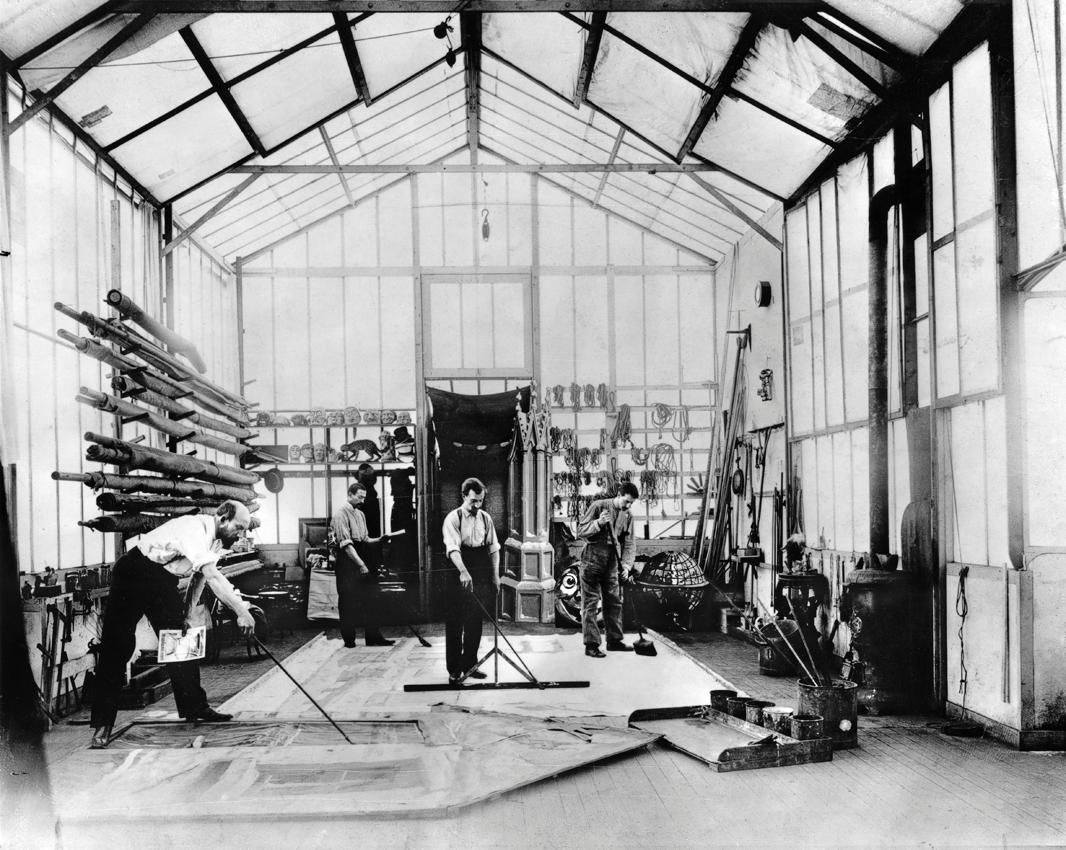




Techniques and visual style
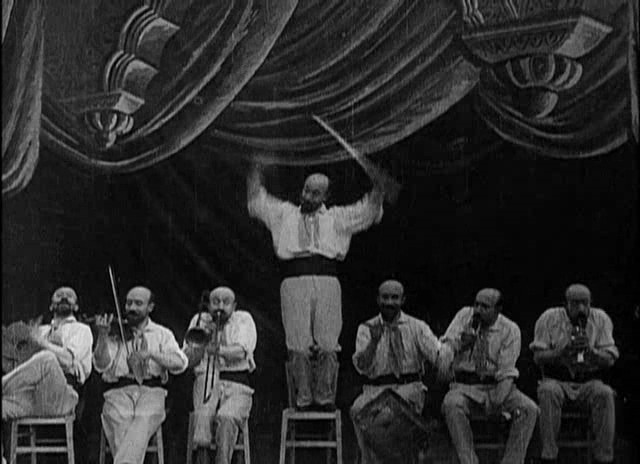
Méliès developed and popularized a toolbox of cinematic effects that became basic film grammar: substitution splices (stop tricks), multiple exposures, dissolves, time-lapse photography and elaborate hand-coloring of frames. He staged elaborate painted backdrops, mechanical props and costuming, controlling every detail much as he had on stage. His color work was achieved by frame-by-frame hand tinting or stenciling, giving many prints a distinctive painted quality.
Notable films
- A Trip to the Moon (1902) — Méliès's best-known work, famous for the iconic image of a rocket lodged in the Moon's face and for its mix of fantasy, satire and spectacle.
- The Impossible Voyage (1904) — a sequel in spirit to the earlier lunar film, continuing Méliès's interest in impossible journeys and inventive machinery.
- Conquest of the Pole (1912) — one of his later large-scale travel fantasies featuring ambitious sets and episodic adventures.
- The Haunted Castle (1896) — cited as among the earliest films to use horror motifs and supernatural comic effects; it helped establish fictional genre filmmaking.
- Many of his stories drew on popular fantastic literature and stage melodrama; he famously turned inspirations from authors such as Jules Verne into cinematic spectacle.
Over his career Méliès produced hundreds of short films for his own Star Film Company. He favored tightly choreographed stage action adapted to the camera and believed in cinema as a vehicle for wonder and narrative invention. While some of his works were marketed as novelties, many anticipated film genres — particularly science fiction and cinematic fantasy.
Later life, loss and legacy
As film production and distribution evolved, Méliès's style fell out of commercial fashion and he suffered financial setbacks. A large portion of his output was lost through neglect, commercial disposal and the fragility of early film stock, so many titles exist today only in fragments or reconstructions. After a period of obscurity and work outside the film business, his contribution was later recognized by critics, historians and filmmakers, who cited his inventive use of editing and effects as foundational to cinema.
Today Méliès is celebrated for inventing visual tricks and for treating the camera as a tool for imaginative storytelling. His influence appears in the narrative structure of modern cinema, in the visual vocabulary of special effects, and in the continuing fascination with early science fiction and supernatural films. For further reading and primary sources, see contemporary film archives and curated retrospectives that document his surviving prints and restorations (see archive references).
Questions and answers
Q: Who was Georges Méliès and what did he do?
A: Georges Méliès was a French moviemaker who advanced the use of special effects, multiple exposures, time-lapse photography, dissolves, and hand-painted colour in his work.
Q: What are some of Georges Méliès's most famous movies?
A: Some of Georges Méliès's most famous movies include Conquest of the Pole, A Trip to the Moon, and The Impossible Voyage.
Q: What is the style of Georges Méliès's movies?
A: Georges Méliès's movies involve strange, surreal voyages, and could be compared to Jules Verne's books. They are considered to be among the most important early science fiction movies.
Q: What is the movie The Haunted Castle?
A: The Haunted Castle is an early horror movie by Georges Méliès.
Q: How did Georges Méliès impact the film industry?
A: Georges Méliès was a pioneer in the use of special effects and other film-making techniques. His work helped establish the foundations of cinema.
Q: When was Georges Méliès born and when did he pass away?
A: Georges Méliès was born on December 8th, 1861 and passed away on January 21st, 1938.
Q: What is significant about Georges Méliès's use of hand-painted colour?
A: Hand-painted colour was a time-consuming and expensive technique in early film-making. Georges Méliès's use of this technique showed a commitment to artistic vision and experimentation.
Related articles
Author
AlegsaOnline.com Georges Méliès — Pioneer of Cinematic Special Effects Leandro Alegsa
URL: https://en.alegsaonline.com/art/119531