
Jules Verne: novelist of adventure and early science fiction
Jules Verne (1828–1905) was a French novelist whose inventive adventure stories and technical imagination shaped early science fiction and inspired generations of readers, explorers and filmmakers.
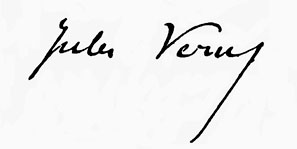
Jules Verne (February 8, 1828 – March 24, 1905) was a French novelist best known for combining adventurous plots with detailed scientific and geographical description. Writing in the 19th century, he produced richly imagined journeys that presented new ideas about travel, technology and the natural world. His books reached a wide readership during his lifetime and have remained in continuous circulation across many languages.
Image gallery
10 Images




Characteristics and themes
Verne's stories typically blend realistic technical detail with imaginative premises. He favored carefully researched settings, from the deep ocean to polar ice and distant lands, and often framed his tales as voyages of discovery. Common themes include exploration, human ingenuity, the possibilities and limits of technology, and the contrast between scientific curiosity and social norms. While rooted in the knowledge of his era, his narratives frequently anticipated later inventions or cultural shifts.
Major works
- Journey to the Centre of the Earth (1864) — an expedition into subterranean landscapes.
- From the Earth to the Moon (1865) — a speculative attempt to reach the moon using period science and engineering ideas.
- Twenty Thousand Leagues Under the Sea (1870) — a portrayal of undersea exploration aboard the submarine Nautilus.
- Around the World in Eighty Days (1873) — a brisk tale of global travel, punctuality and cultural encounters.
Life and development
Verne began his career in the theater and law before turning to fiction. He developed a distinctive series format that presented individual tales as part of a larger collection of "extraordinary voyages," which helped standardize his themes and audience expectations. Over decades he collaborated with editors and illustrators who shaped the final form of many novels. His popularity grew with serial publication and with readers drawn to adventure and novelty.
Legacy and adaptations
Verne is widely regarded as a foundational figure in the field that later became known as science fiction. His work inspired scientists, explorers and storytellers, and has been adapted extensively for stage, film, radio and television. Adaptations range from faithful period pieces to modern reinterpretations that emphasize different aspects of his plots—technological optimism, ethical dilemmas, or sheer spectacle.
Further reading and resources
- Comprehensive biography and timeline
- Overview of Verne's role in early science fiction
- Collection of Verne's principal novels
- Details on Journey to the Centre of the Earth
- Background on From the Earth to the Moon
- Historical context for the 1860s science and publishing
- Information about Twenty Thousand Leagues Under the Sea
- Notes on the novel's publication and reception
- Context and commentary on Around the World in Eighty Days
- Further analyses, adaptations and critical studies
Because Verne's works straddle entertainment and technical imagination, they invite readers to consider how fiction can influence scientific curiosity and cultural attitudes toward progress. His blend of pedagogy and adventure helped make complex topics accessible and remains a reason his novels continue to be read and adapted.
Questions and answers
Q: Who was Jules Verne?
A: Jules Verne was a French writer who is known for being one of the first authors to write science fiction.
Q: When was Jules Verne born?
A: Jules Verne was born on February 8, 1828.
Q: When did Jules Verne die?
A: Jules Verne died on March 24, 1905.
Q: What are some of Jules Verne's famous books?
A: Some of Jules Verne's famous books include Journey To The Centre Of The Earth (1864), From the Earth to the Moon (1865), Twenty Thousand Leagues Under the Sea (1870), and Around the World in Eighty Days (1873).
Q: In what genre did Jules Verne typically write?
A: Jules Verne typically wrote in the science fiction genre.
Q: What was Jules Verne known for?
A: Jules Verne was known for being one of the first authors to write science fiction.
Q: What were some of Jules Verne's most popular books?
A: Some of Jules Verne's most popular books include Journey To The Centre Of The Earth, From the Earth to the Moon, Twenty Thousand Leagues Under the Sea, and Around the World in Eighty Days.
Related articles
Author
AlegsaOnline.com Jules Verne: novelist of adventure and early science fiction Leandro Alegsa
URL: https://en.alegsaonline.com/art/51480
Sources
- blogthinkbig.com : Verne's predictions