
Border Collie: herding dog breed, traits, history and care
Border Collie — an agile, highly intelligent herding dog developed on the English–Scottish border; known for stamina, trainability, and a strong herding instinct. Overview, history, care, and uses.

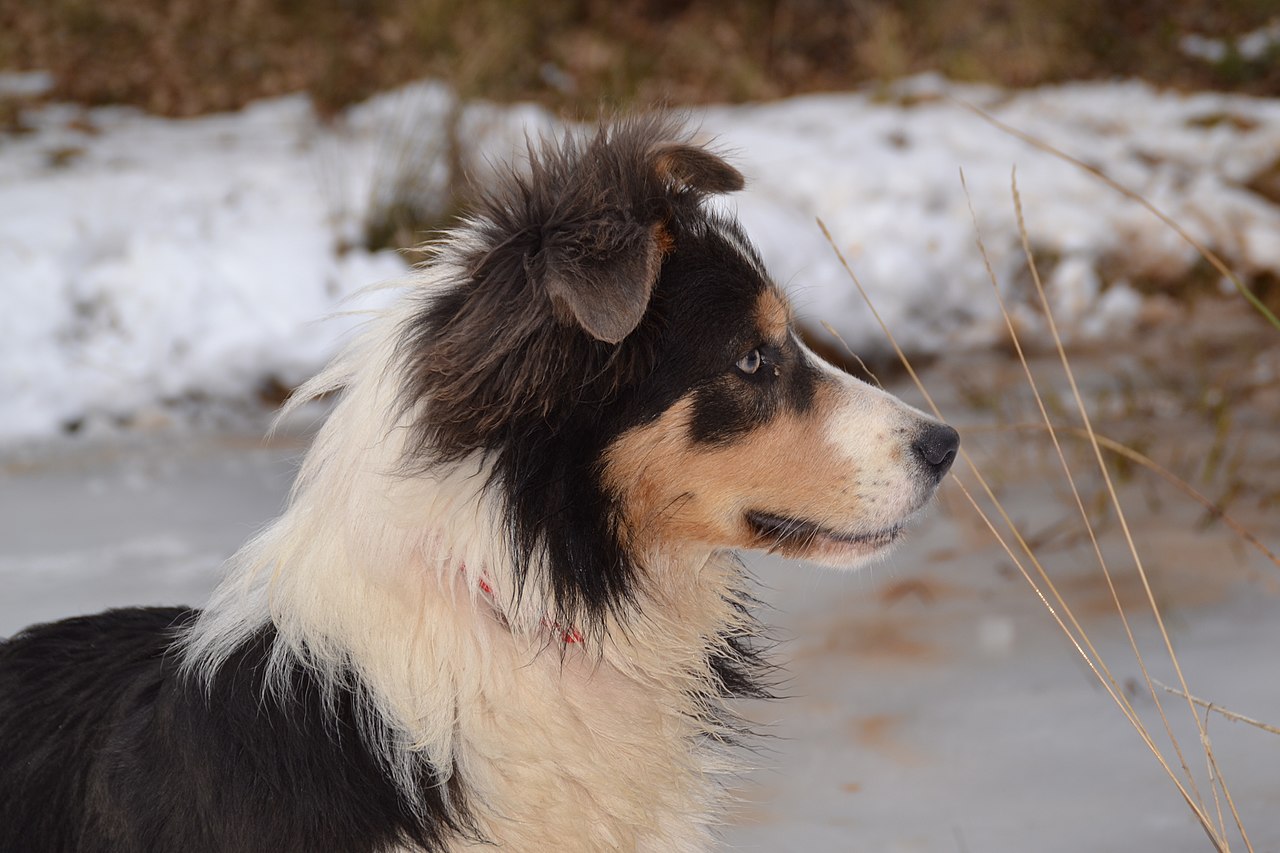
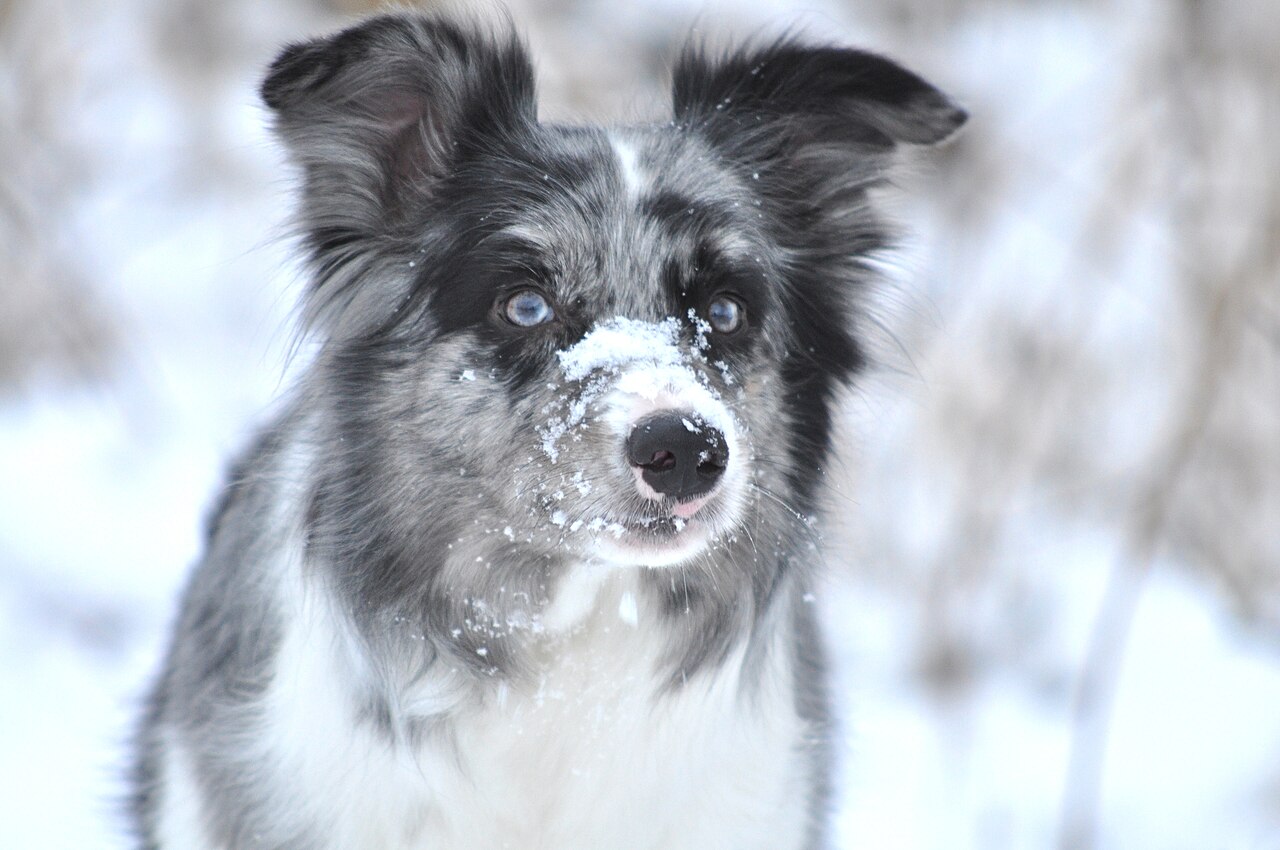
Overview — The Border Collie is a medium-sized working dog originally developed along the English–Scottish frontier to control and move livestock. Renowned for exceptional intelligence and an intense herding style, the breed is widely seen both at stock work and in competitive dog sports. Physical appearance varies from sleek, athletic specimens to longer-coated animals; common coat colors include black-and-white but can also be tricolor, sable, or merle. For general breed information see breed reference.
Image gallery
10 Images





Key characteristics
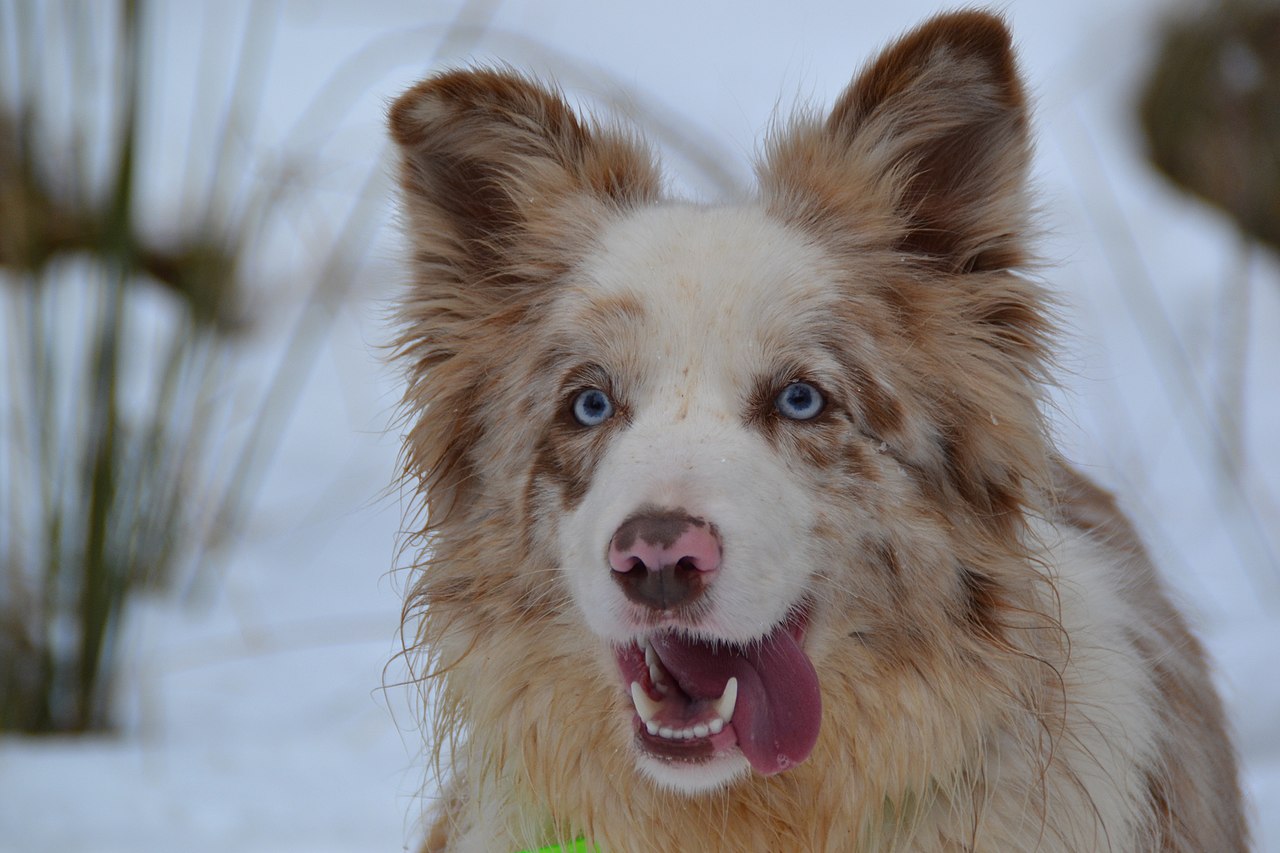
Border Collies are prized for agility, endurance and trainability. Typical features include a keen, alert expression, medium-length muzzle, and a graceful, balanced gait. Size and weight vary by lineage, but most adults stand roughly 18–22 inches at the shoulder and weigh in the 30–50 pound range. Coat types range from smooth to rough and require regular grooming. Eye color can be brown, amber or occasionally blue, and eyes often show an intense, intent look associated with the breed's herding "eye". For standards and comparisons see breed standard and working type.
Origins and development
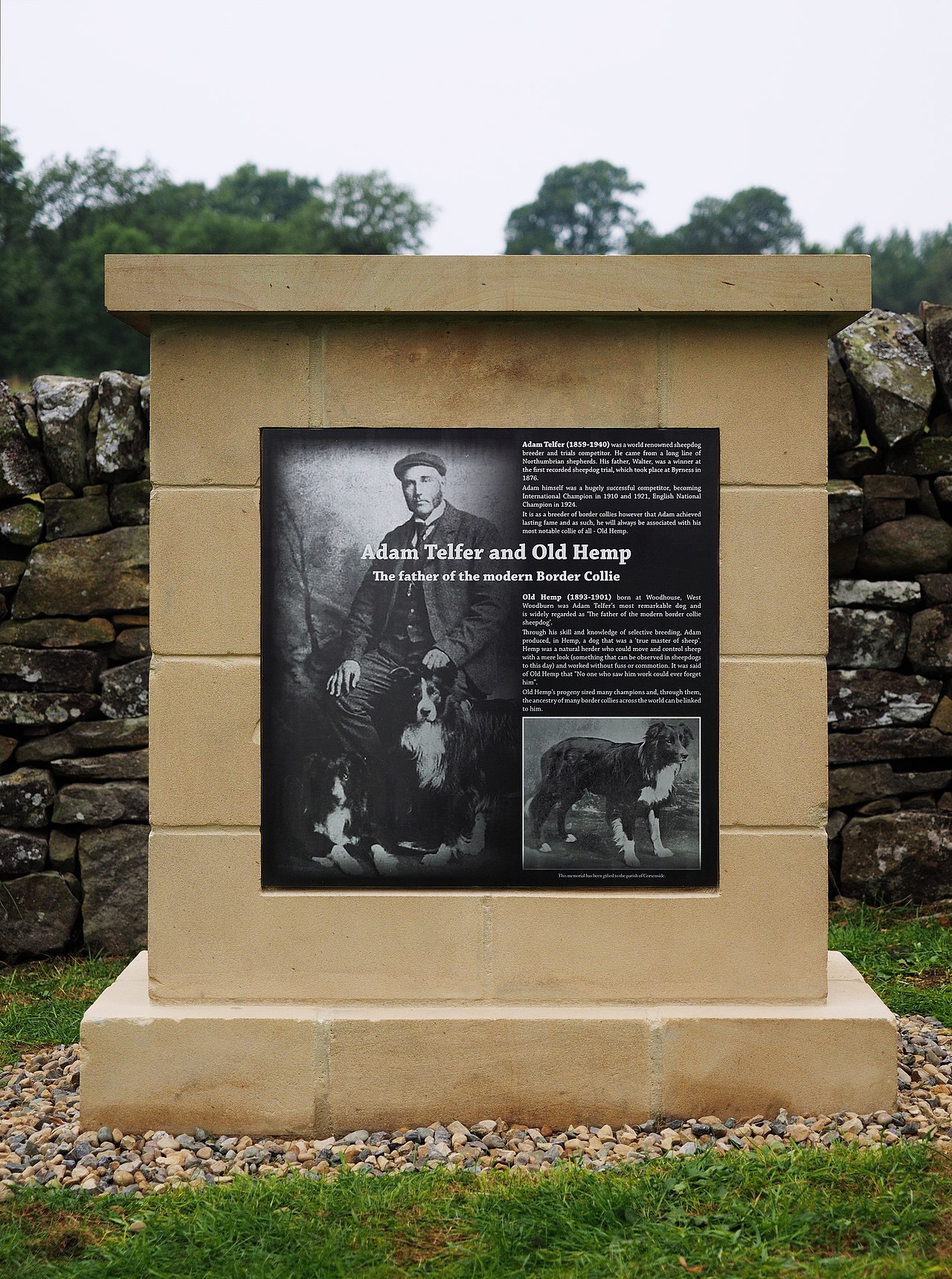
Border Collies emerged over several centuries on farms and hill country where nimble, intelligent dogs were needed to move sheep across rough terrain. The modern concept of the breed developed in the 18th and 19th centuries as shepherds selected for natural herding ability, responsiveness and stamina. The name reflects the breed's association with the border region between England and Scotland. Historical and genetic context is discussed in more detail at history sources.
Behavior, temperament and training
Highly driven and attentive, Border Collies are happiest when they have a job—whether that is tending stock, competing in agility or performing advanced obedience tasks. They learn quickly and respond well to positive, consistent training. Without adequate mental and physical stimulation they may develop problem behaviors such as excessive barking, chasing or destructive activity. If you plan to train or work a Border Collie, resources and organized activities are available through clubs and trainers listed at herding clubs and sport organizations.
Care, health and suitable owners
Caring for a Border Collie means providing vigorous daily exercise plus ongoing mental challenges such as obedience, puzzle toys or herding practice. Routine grooming, dental care and veterinary check-ups are standard. Common health concerns include hip dysplasia, certain eye conditions and inherited epilepsy; responsible breeders often perform genetic testing and health screenings. For guidance on veterinary testing and care see health guidance, genetic testing and eye screening.
Uses, distinctions and notable facts
Traditional use remains livestock herding, but Border Collies are also prominent in sports such as agility, flyball and competitive obedience; their speed and responsiveness make them frequent champions. There is an important distinction between "working" lines—selected primarily for herding ability and stamina—and "show" lines—selected for conformation and appearance; temperaments and energy levels often differ accordingly. Potential owners should evaluate lifestyle fit carefully: these dogs thrive with active families or handlers but are not ideal for sedentary households. For adoption, training programs and events see adoption resources and training programs.
- Pros: brilliant, highly trainable, versatile worker.
- Cons: very high exercise and mental stimulation needs; intense herding instincts.
- Good for: active owners, farms, dog sports competitors.
Understanding the Border Collie's origins, energy profile and health considerations helps owners and handlers provide the structure these dogs require to flourish. Well-managed Border Collies are energetic companions and exceptionally capable working dogs.
Related articles
Author
AlegsaOnline.com Border Collie: herding dog breed, traits, history and care Leandro Alegsa
URL: https://en.alegsaonline.com/art/13071
Sources
- britannica.com : "Border collie"
- commons.wikimedia.org : Border Collie