
Botfly (Oestridae): parasitic flies and their life cycle
Botflies (family Oestridae) are a group of flies whose larvae parasitize mammals. Article covers appearance, life cycle, hosts, health and economic impacts, notable species, and approaches to prevention and control.
Overview
Botflies are members of the fly family Oestridae, sometimes called warble flies or gadflies. Adult botflies typically do not feed as larvae do; their main biological role is reproduction. The larvae of many species develop as internal parasites in mammals, burrowing into skin or inhabiting body cavities or the digestive tract. The relationship between botfly larvae and their hosts ranges from mild irritation to significant disease in livestock and, occasionally, humans.
Image gallery
6 Images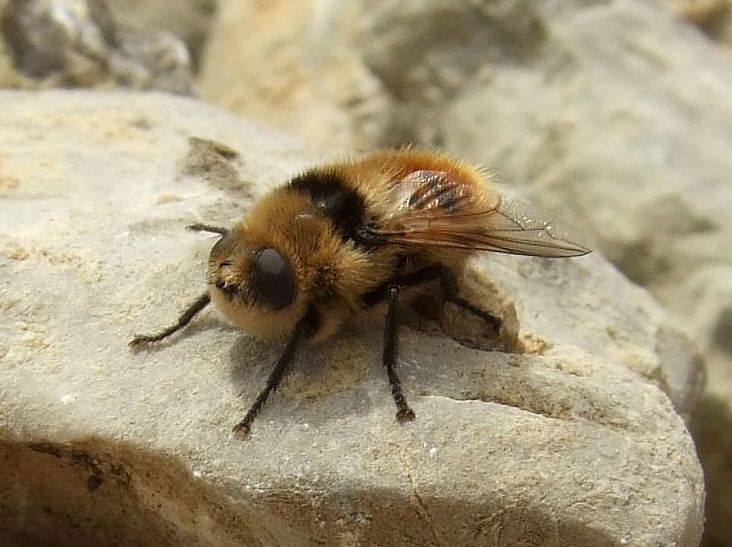



Characteristics and life cycle
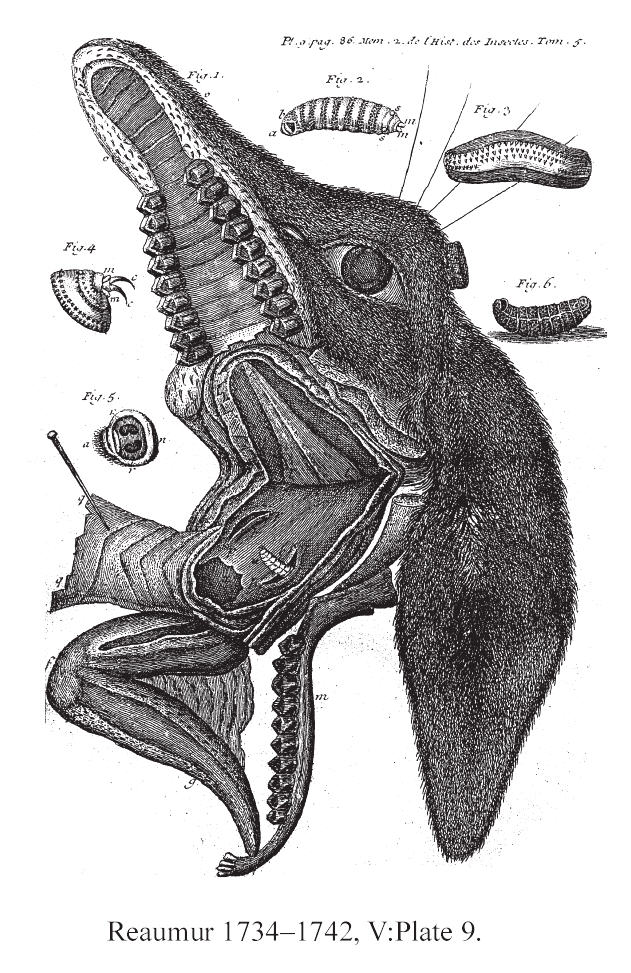
Adult botflies vary in size and appearance but are generally robust, hairy flies. Reproduction strategies differ by species: some females attach eggs directly to a mammal's skin, while others deposit eggs on a vector insect (for example, on mosquitoes) that then transport larvae to the host. After hatching, the larvae penetrate or are transferred to the host and grow in situ, feeding on host tissues or secretions until they are ready to pupate in the environment.
- Egg laying or transfer to host.
- Larval penetration and subsistence within host tissues or gut.
- Pupation in soil after larval exit from host.
- Emergence of adult fly to repeat the cycle.
Hosts, effects and importance
Different botfly species specialize on different mammal hosts, including livestock (sheep, cattle), wild ungulates, and primates. Infestation can cause localized wounds, secondary infections, reduced weight gain or milk production in farm animals, and discomfort in wildlife and pets. Human cases are uncommon but documented; these typically involve a single larva in the skin and are treatable. For more detail on larval biology see larval development.
History, distribution and notable species
Botflies are found worldwide, with certain species restricted to particular regions or host communities. Two well-known examples are the human botfly (Dermatobia hominis), found in parts of Central and South America, and sheep botflies such as Oestrus ovis, a common parasite of sheep. For species-specific information consult resources on distribution and identification: species examples.
Prevention, control and medical care
Control in livestock relies on hygiene, topical insecticides, and management practices that reduce exposure to egg-laying flies. In humans, treatment for a cutaneous botfly larva may include careful removal by a healthcare professional and wound care to prevent secondary infection. In both veterinary and medical settings, awareness and early intervention limit complications and economic loss.
Notable facts: botflies illustrate diverse parasitic strategies among insects and have ecological roles as both parasites and participants in food webs. Their life histories are a classic study subject in parasitology and veterinary medicine.
Related articles
Author
AlegsaOnline.com Botfly (Oestridae): parasitic flies and their life cycle Leandro Alegsa
URL: https://en.alegsaonline.com/art/13248