
Bouvier des Flandres
A large Belgian farm and working breed originally used for cattle, sheep and cart work; valued today as a guardian, police and companion dog with a coarse protective coat.
The Bouvier des Flandres is a sturdy working breed of dog that developed in the agricultural communities of historic Flanders. Its name translates as "cow herder of Flanders" and reflects the animal husbandry and draft duties for which it was selected. Bouviers combine physical strength, resilience in poor weather and a practical temperament suited to demanding tasks.

Image gallery
8 Images



Appearance and characteristics
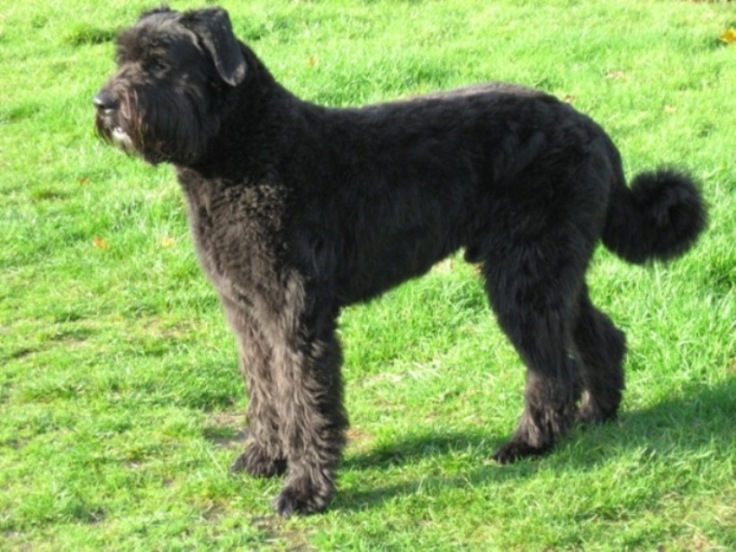
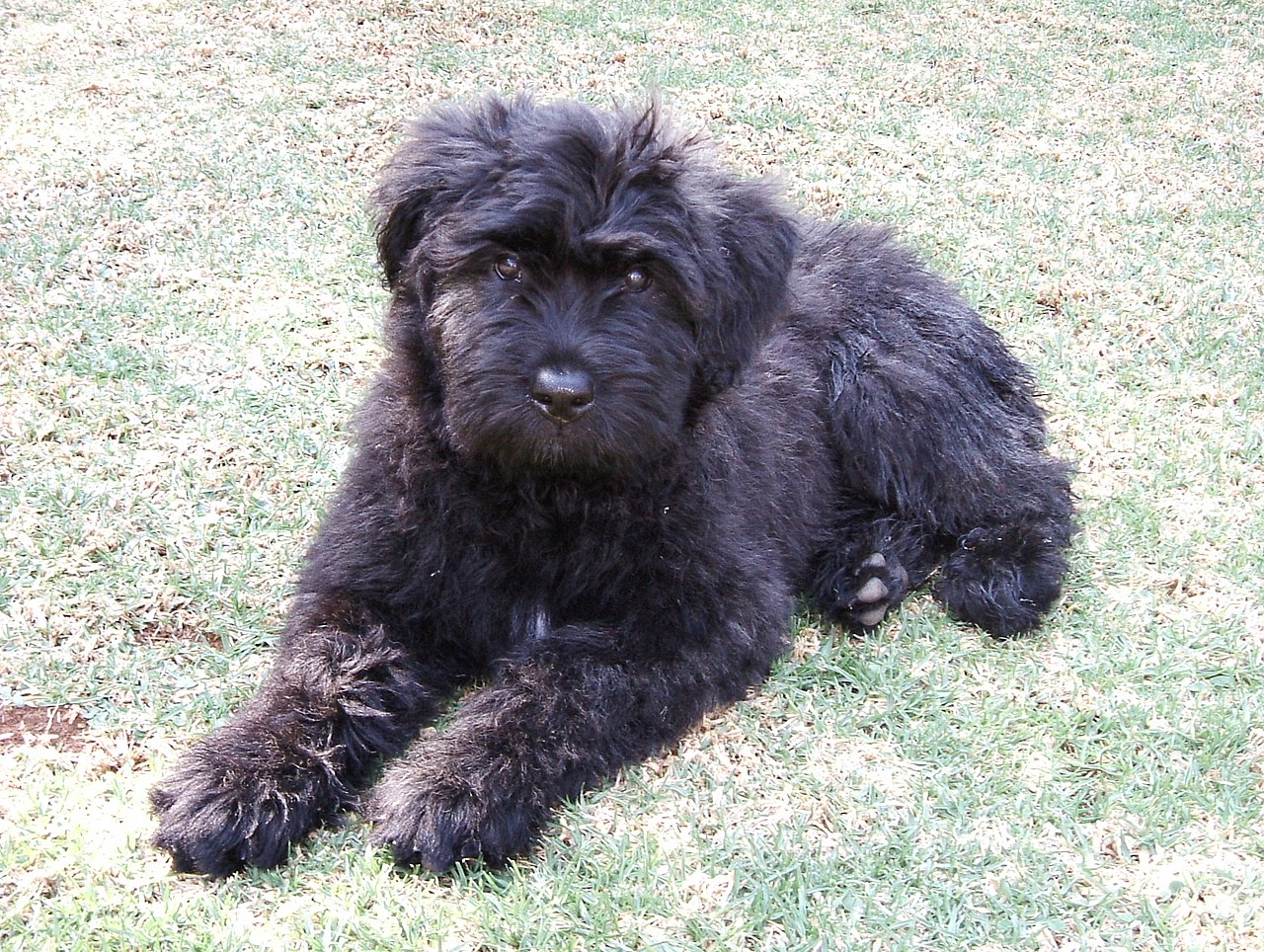
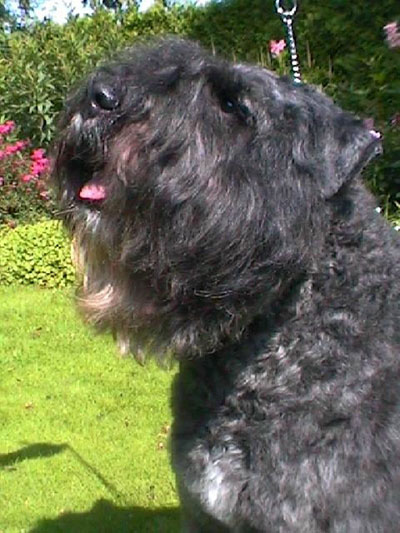
Bouviers are large, square-bodied dogs with a robust frame, strong bone and a coarse outer coat that helps protect them from wind and rain. The face often shows heavy furnishings — a beard and bushy eyebrows — which give the breed a characteristic expression. Coat colors commonly include fawn, brindle, salt-and-pepper and black. Despite their substantial build, Bouviers move with surprising agility and endurance.
History and development
Raised by farmers, drovers and butchers, the Bouvier performed a range of farm duties: driving cattle, herding sheep, pulling carts and guarding property. The breed evolved as a versatile utility dog rather than for show, and its form reflects functional requirements. Population and type were affected by social change and the impact of wars, after which dedicated breeders and kennel organizations worked to preserve and standardize the dog.
Temperament and uses
Bouviers are typically calm, loyal and protective. They are alert and discerning, qualities that make them effective guard dogs and suitable for roles in police or search work when trained. They also adapt to life as family pets when given consistent leadership, socialization and sufficient exercise. Their working heritage means they thrive when given tasks and mental stimulation.
Care, training and health
Grooming focuses on keeping the coarse coat free of mats and trimming or stripping as appropriate for the owner’s preference and regional kennel guidance. Regular exercise, structured training and early socialization are important. As a large, long-lived working dog, the Bouvier can be prone to some musculoskeletal and metabolic conditions common to large breeds, so health screening and breeding for soundness are advised.
Suitability and responsible ownership
- Best suited to experienced owners who can provide firm, consistent training and adequate activity.
- Well matched to rural or suburban settings with space for exercise, though individual dogs may adapt to other environments if their needs are met.
- Potential owners should consult kennel clubs, breeders and working-dog groups for guidance and standards; many resources provide practical advice on training, health testing and temperament.
For authoritative breed information and guidance on responsible ownership, see breed profiles and regional kennel organizations: a general breed profile, regional club pages and working-dog resources offer standards and practical advice for prospective owners and handlers. Additional background on the region and origins is available through historical and agricultural references on Flanders and traditional droving practices. For specific roles and training resources consult organizations focused on police work, guarding and livestock handling.
Historical notes and practical guides often reference the breed’s traditional farm duties, such as cart-pulling and droving, and modern sources discuss adaptation to companion and working roles; interested readers should seek reputable breeders and veterinary advice when considering a Bouvier.
Related articles
Author
AlegsaOnline.com Bouvier des Flandres Leandro Alegsa
URL: https://en.alegsaonline.com/art/13428