
Book of Leviticus
Third book of the Torah and the Old Testament, focused on priestly duties, sacrificial rites, purity laws and the theme of holiness; traditionally attributed to Moses and central to Jewish ritual law.
Overview
The Book of Leviticus is the third book of the Bible and of the Torah. In Hebrew it is called Wayiqra', a title taken from the opening phrase and often rendered "And He called." Traditionally the book is attributed to Moses and addressed to the people of Israel, though modern scholars also discuss later editorial layers.
Image gallery
8 Images




Contents and structure
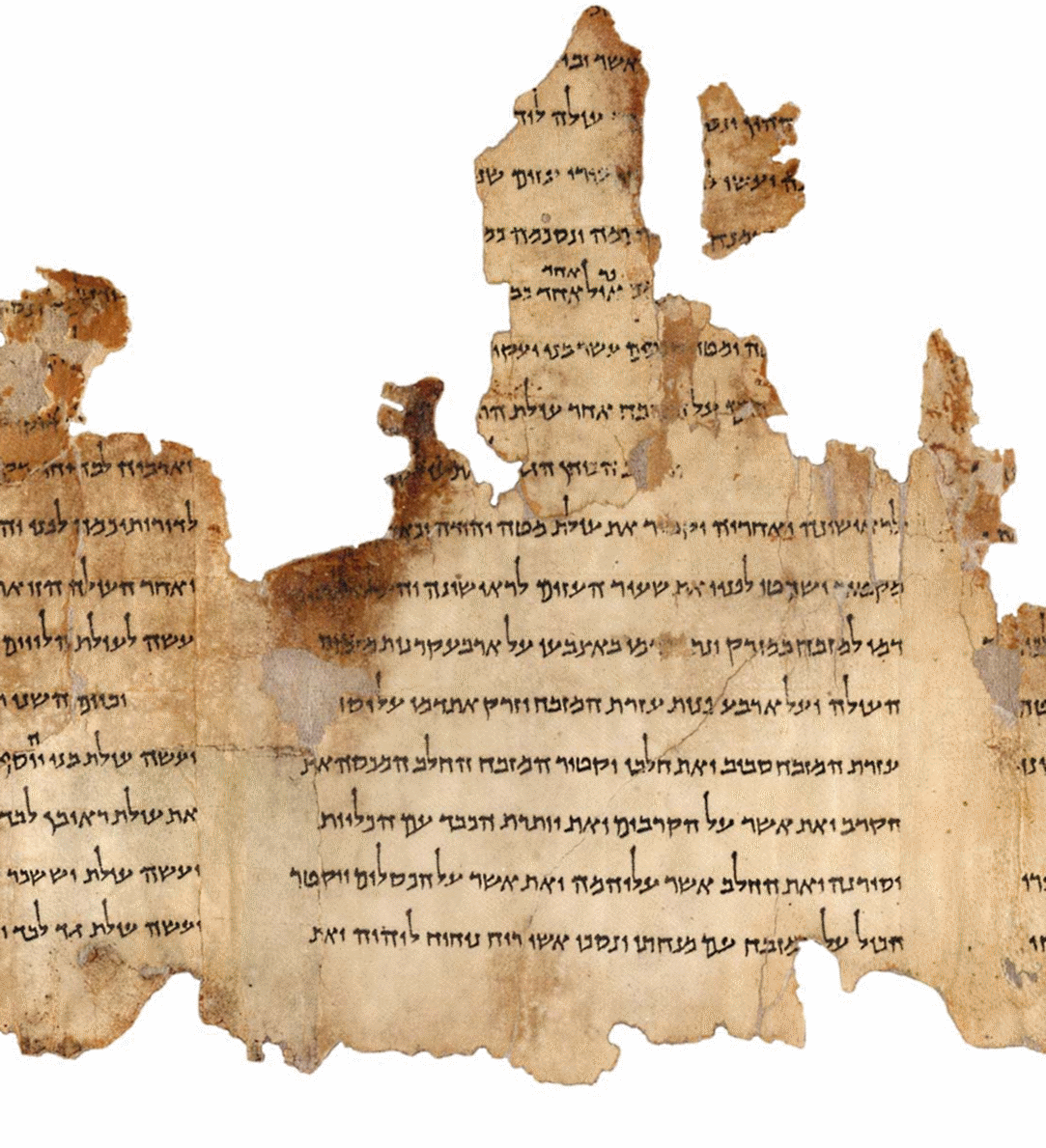
Leviticus is largely priestly legislation and ritual instruction. It includes detailed regulations on sacrifices, the roles and consecration of priests, and rules for ritual purity. The Levites, after whom the book is named, have a special cultic function (Levites). Major sections treat offerings, priestly ordination, clean and unclean laws, the Day of Atonement, and a "holiness code" of social and moral directives.
Key themes and characteristics
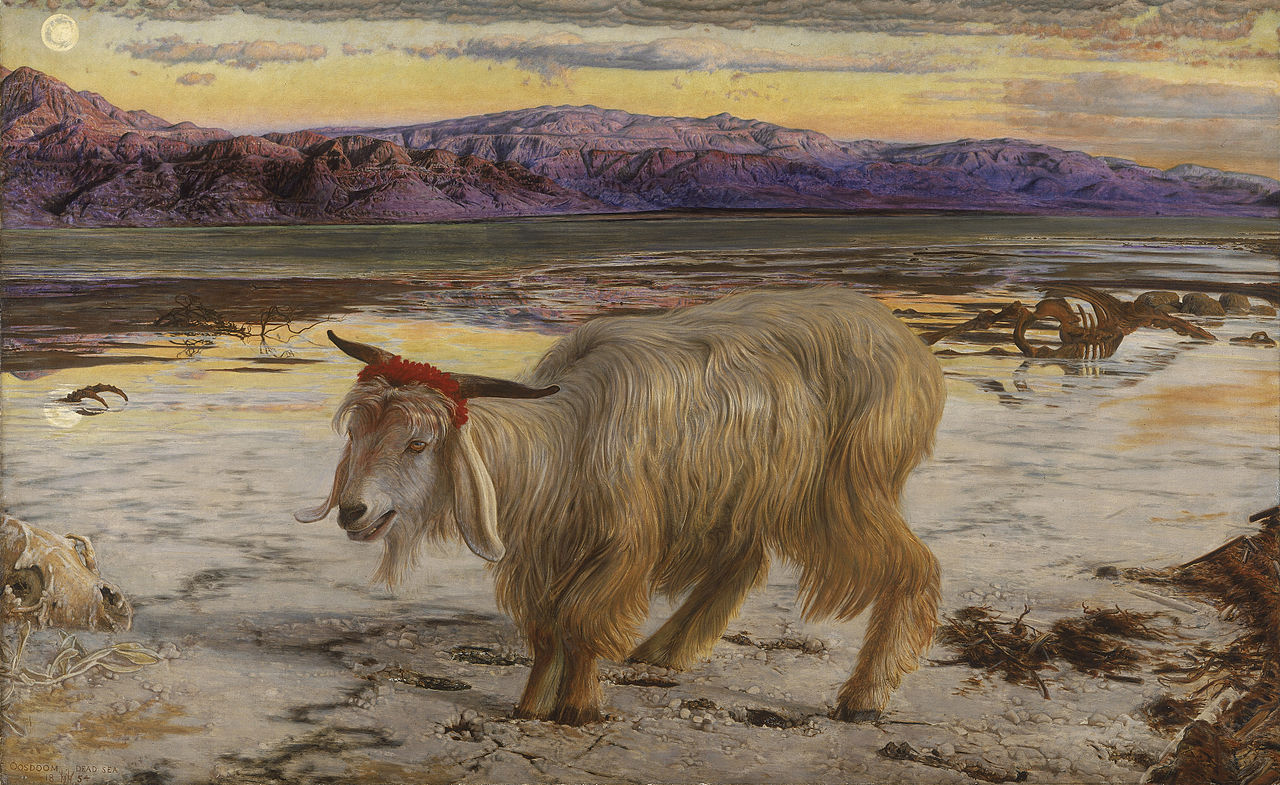
Central themes are holiness, separation of the sacred from the ordinary, atonement for sin through prescribed rites, and communal purity. Leviticus mixes ceremonial norms with ethical commands; for example, instructions intended to maintain community health and boundaries appear alongside injunctions about neighborliness. Its language is technical and prescriptive, reflecting a cultic setting.
History and composition
While Jewish and Christian tradition credit Moses as author, critical scholarship identifies priestly sources and later redaction, situating much material in a cultic tradition that became central during or after the Israelite monarchy and into the exilic and post‑exilic periods. The book preserves older practices shaped into a systematic manual for the priesthood.
Religious use and importance
Leviticus underpins many Jewish ritual laws and has influenced Christian readings of law, sacrifice, and atonement. It informs synagogue readings and Jewish law discussions about ritual purity, food laws and holy days. The book's ethical passages are often cited in wider theological debates about law and morality.
Notable distinctions
- Its focus is more cultic and priestly than narrative, differing from Genesis and Exodus.
- It contains both ritual prescriptions and moral rules, sometimes called the "holiness code."
- Interpretation varies: traditions emphasize Mosaic authority while many academics study compositional development.
For further study of its text, ritual forms and later interpretations consult general introductions to the Torah and specialized works on sacrificial systems and priestly literature. Related reference entries include the Old Testament and discussions of patriarchal traditions (Patriarch) and ancient Israelite religion (Torah, Bible).
Related articles
Author
AlegsaOnline.com Book of Leviticus Leandro Alegsa
URL: https://en.alegsaonline.com/art/12979