
Patriarch: historical family head and Christian ecclesiastical office
A patriarch is originally the male head of an extended family; in Christianity it denotes senior bishops who lead certain ancient churches or churches' autocephalous jurisdictions.
The term patriarch originally described the male head of an extended family or clan. In many societies a patriarch had authority over kinship matters, inheritance and household governance. The label also appears in ancient religious texts to identify founding ancestors — for example the biblical patriarchs — and in modern usage it can denote a venerable or dominant leader in a social, corporate or religious setting.
Image gallery
10 Images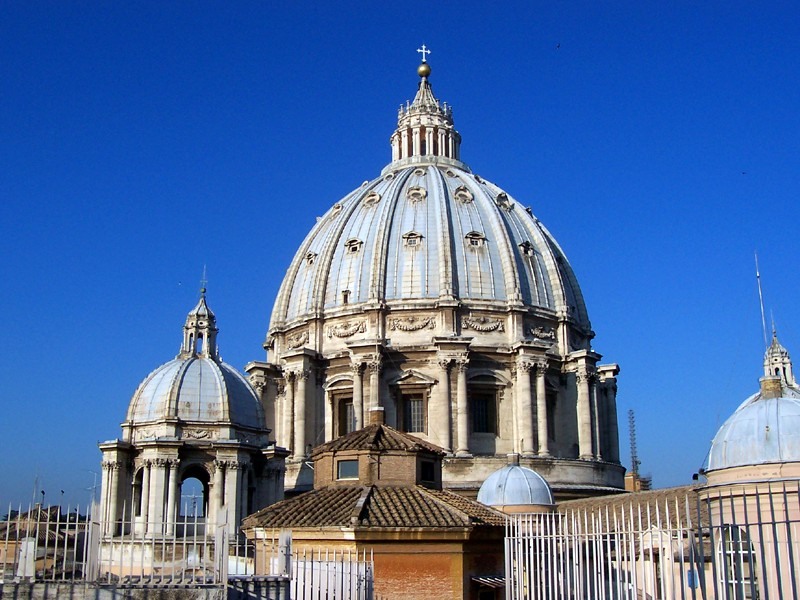


Ecclesiastical office and functions
In Christian traditions the word patriarch designates a senior bishop with authority over a particular church, region or rite. These office-holders traditionally preside over councils, represent their church in relations with other churches and states, and exercise varying degrees of jurisdictional power. The title is used across several communions: see Christianity broadly, and specifically in connection with the roles of bishops in major Eastern bodies.
Major traditions and historical development
By late antiquity a small group of sees were recognized as principal centers of authority, a pattern sometimes called the Pentarchy. Those ancient patriarchates included Rome, Constantinople, Alexandria, Antioch and Jerusalem. Over centuries the meaning and influence of patriarchs diverged: in the West the Bishop of Rome developed into the papal office, while in Eastern and Oriental communions patriarchs remained key figures within collegial and synodal structures. Important present-day contexts include the Eastern Orthodox Church, the Oriental Orthodox families, various Eastern Catholic churches in union with Rome, and the Assyrian Church of the East.
Types, distinctions and notable facts
- Eastern Orthodox patriarchs often lead autocephalous or autonomous churches and work through synods rather than ruling alone.
- Oriental Orthodox patriarchs head churches that split from Chalcedonian communions in the early medieval period.
- Some modern uses are honorific or historical; not every ancient see retains the same territorial claim.
Opposite of patriarch is matriarch, the female head; and the adjective patriarchal describes systems where elder men hold primary authority. Understanding the office of patriarch therefore calls for attention to both its family-rooted origin and its distinct, evolving role within different Christian traditions and social contexts.
Related articles
Author
AlegsaOnline.com Patriarch: historical family head and Christian ecclesiastical office Leandro Alegsa
URL: https://en.alegsaonline.com/art/75023