
Book of Ruth
Short narrative in the Hebrew Bible and Old Testament telling of Ruth, a Moabite woman whose loyalty leads to inclusion in Israel’s line; noted for themes of loyalty, kinship, and providence.
Overview
The Book of Ruth is a four-chapter narrative in the Hebrew Bible (Tanakh) and the Christian Old Testament. The work is brief but widely read: it tells how a foreign woman, Ruth the Moabitess, becomes part of the Israelite community and an ancestor of King David. Its composition and authorship are unknown; scholars propose a range of dates from the period of the monarchy to the post-exilic era, and the text is valued for its moral and social themes rather than for historical detail.
Image gallery
8 Images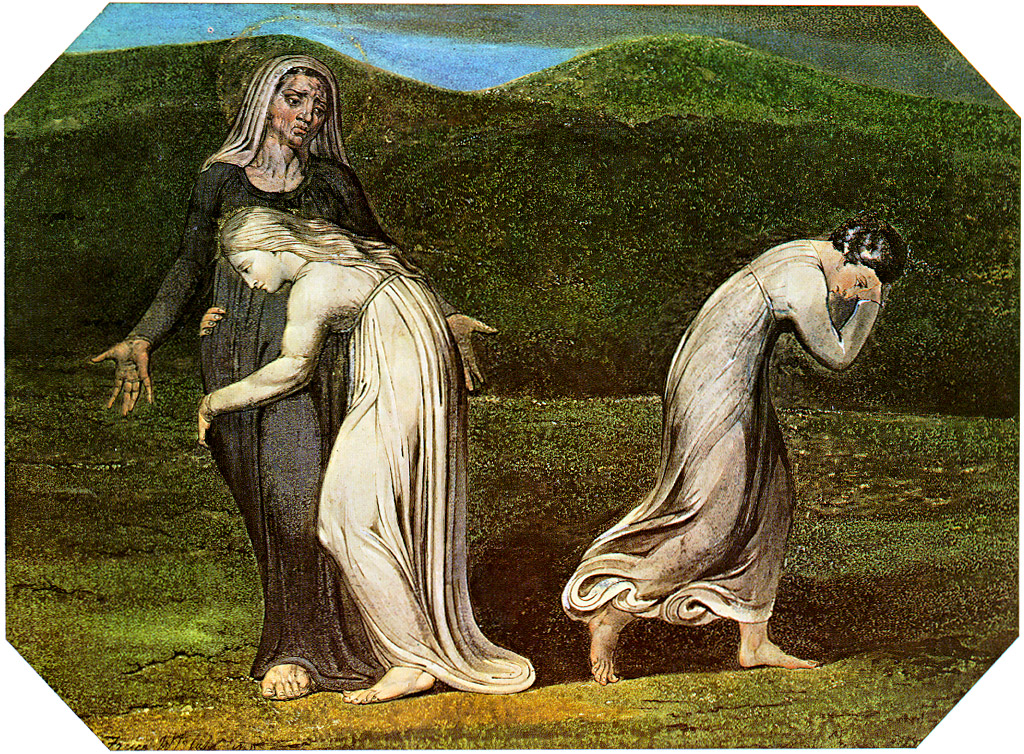


Narrative and principal characters
The story opens with an Israelite family leaving Bethlehem because of famine. After the deaths of the husband and his two sons, Naomi, the mother, returns home. Ruth, one of the daughters-in-law, refuses to leave Naomi and accompanies her to Bethlehem. Ruth gains the protection of Boaz, a relative of Naomi’s deceased husband, who acts to secure marriage and inheritance rights.
- Naomi — a widowed Israelite who returns to Bethlehem.
- Ruth — a Moabite widow noted for loyalty and devotion.
- Orpah — Ruth’s sister-in-law who returns to Moab.
- Boaz — a wealthy kinsman who safeguards Ruth and Naomi.
Themes and theological emphasis
Key themes include loyalty (often expressed by the Hebrew word hesed, meaning loving-kindness), the social duty of family redemption, and the inclusion of a foreigner into Israel. The narrative highlights kinship obligations and a local institution commonly called the kinsman-redeemer (Hebrew: go'el), whereby a relative could marry a childless widow to preserve a family line and property within the clan.
Literary features
The Book of Ruth reads as a compact novella with dialogue, vivid character portrayal, and a tightly focused plot. Its pastoral setting and courtship scenes combine domestic detail with legal and communal concerns. The story’s structure and use of repeated motifs make it accessible for both private reading and public recitation.
Historical, liturgical, and interpretive roles
In Jewish tradition the book is one of the Five Megillot and is customarily read during the festival of Shavuot, which celebrates the wheat harvest and, in later association, the giving of the Torah. In Christian contexts the genealogy that links Ruth through Boaz to David appears in New Testament genealogies, so the book is often cited for its role in Davidic lineage and as an example of faithful devotion. Interpreters across ages have emphasized social ethics, divine providence, and communal inclusion.
Legacy and modern relevance
Readers today value the Book of Ruth for its portrayal of commitment across ethnic boundaries, its attention to vulnerable members of society, and its humane resolution of legal and familial problems. It continues to be studied in religious, literary, and historical settings as a concise narrative that raises enduring questions about kinship, law, and compassion.
For further background consult general resources on the Hebrew Bible and on Christian readings of the Old Testament: Christian tradition.
Questions and answers
Q: What is the Book of Ruth?
A: The Book of Ruth is the eighth book of the Old Testament (Christian) and the Tanakh (Jewish).
Q: How many chapters does it have?
A: The Book of Ruth consists of only four chapters.
Q: Who wrote the book?
A: It is unknown who wrote the book.
Q: What does "Ruth" mean?
A: "Ruth" means pity or compassion.
Q: Is it one of the longest books in both Jewish and Christian holy books?
A: No, it is one of the shortest books in both Jewish and Christian holy books.
Q: Does it contain any other stories besides that of Ruth's?
A: Not that we know; The Book of Ruth focuses solely on the story of Ruth.
Tags
Related articles
Author
AlegsaOnline.com Book of Ruth Leandro Alegsa
URL: https://en.alegsaonline.com/art/12991
Sources
- dictionary.reference.com : "Definition of Ruth"
- biblegateway.com : "Matthew 1 (King James Version)"