
Book of Wisdom (Wisdom of Solomon)
A summary of the Book of Wisdom: its origins, structure, principal themes, canonical history and influence in Jewish and Christian traditions.
Overview
The Book of Wisdom, often called the Wisdom of Solomon or simply Wisdom, is a Jewish work composed in Greek and preserved in Christian Old Testament collections. It is traditionally grouped with the wisdom literature and appears in collections derived from the Septuagint. Modern scholarship commonly dates it to the 1st century BCE in Hellenistic Egypt, where Jewish writers engaged with Greek literary and philosophical forms.
Image gallery
3 Images

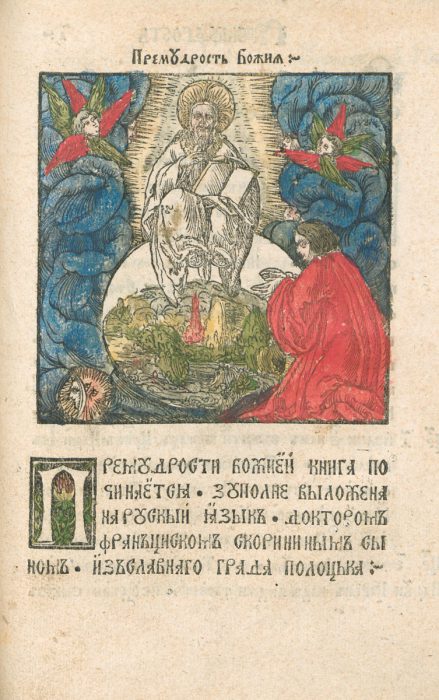
Characteristics and structure
Written in polished Greek, the book blends poetic praise, ethical exhortation and theological reflection. Its tone ranges from hymnic celebration to moral argument and historical meditation. Major characteristics include:
- a personified conception of Wisdom (often called Sophia) praised as a divine attribute and agent of creation;
- a moral contrast between the righteous and the wicked, with emphasis on virtue, divine justice and the rewards of righteousness;
- philosophical language and allusions to Hellenistic thought while interpreting Israelite tradition;
- use of Israel's history as exemplary material to illustrate Wisdom's care and vindication of the faithful.
Historical context and canonical status
Composed in the milieu of Hellenistic Judaism, the book reflects bilingual culture and dialogue with Greek philosophy. It was preserved in the Greek canon and later accepted into the Catholic and Eastern Orthodox biblical canons; its canonical status was affirmed by councils and church authorities. It is included in the Septuagint tradition and listed among the wisdom books, and it figures differently in Protestant traditions where it is generally treated as part of the Apocrypha.
Themes, uses and influence
Key themes include the nature and benefits of Wisdom, the immortality of the soul, critiques of idolatry and reflections on divine providence and justice. The work influenced early Christian theology, devotional literature and liturgy, especially where it speaks of divine Wisdom and the afterlife. It has been read for moral instruction, philosophical engagement and as part of church lectionaries.
Notable distinctions
Although attributed in its title to Solomon, modern scholars view the attribution as literary rather than historical. Its Greek composition and philosophical idiom distinguish it from Hebrew prophetic and legal texts. Readers interested in canonical history can consult collections that discuss its position in the Old Testament canon, its connection to the Septuagint, treatment among the wisdom books grouping, acceptance by Catholic and Orthodox traditions authorities, and later confirmation at councils such as Trent.
Questions and answers
Q: What is the Book of Wisdom?
A: The Book of Wisdom is one of the books of the Old Testament, also known as Wisdom of Solomon or just Wisdom.
Q: How has the Book of Wisdom been categorized?
A: The Book of Wisdom has been grouped among the Septuagint, or the seven wisdom books of the Bible.
Q: Is the Book of Wisdom included in the Catholic and Orthodox Biblical canon?
A: Yes, it is part of the Catholic and Orthodox Biblical canon.
Q: What was the Council of Carthage's position on the Book of Wisdom?
A: The Council of Carthage put forward the Book of Wisdom as part of the Biblical canon.
Q: Who confirmed the Book of Wisdom as part of the Biblical canon at the Council of Trent?
A: Catholic leaders confirmed the Book of Wisdom as part of the Biblical canon at the Council of Trent.
Q: When was the Book of Wisdom written, and by who?
A: The Book of Wisdom was written by a Jew in Ancient Egypt in the 1st century BC.
Q: What are some of the themes discussed in the Book of Wisdom?
A: Wisdom is one of the main themes discussed in the Book of Wisdom, along with other themes.
Related articles
Author
AlegsaOnline.com Book of Wisdom (Wisdom of Solomon) Leandro Alegsa
URL: https://en.alegsaonline.com/art/12995
Sources
- newadvent.org : "CHURCH FATHERS: Church History, Book IV (Eusebius)"
- usccb.org : "NAB - Wisdom - Introduction"
- newadvent.org : "CATHOLIC ENCYCLOPEDIA: Book of Wisdom"