
Book of Nahum: Synopsis, Context, and Themes
Concise encyclopedic overview of the Book of Nahum: authorship, historical context, structure, themes, literary features, and its significance in Jewish and Christian traditions.
Overview
The Book of Nahum is a short prophetic book found in the Bible and listed among the later prophets of the Old Testament and the Tanakh. It centers on a single, focused oracle concerning the fall of Nineveh, the capital of the Assyrian empire. Its tone balances the portrayal of divine mercy with an uncompromising declaration of judgment against cruelty and oppression.
Image gallery
4 Images


Authorship and Date
Little is known about the prophet Nahum beyond the brief self-identification in the opening verse, which gives his name—often rendered "comforter"—and a place of origin described as Elkosh or Alqosh. Some traditions associate this place with a town in northern Galilee, while other identifications have been proposed. The book is usually dated to the years shortly before the collapse of Assyrian power, typically placed around the early 7th century BCE, on the basis of its references to Nineveh and the political situation of the region.
Historical Context
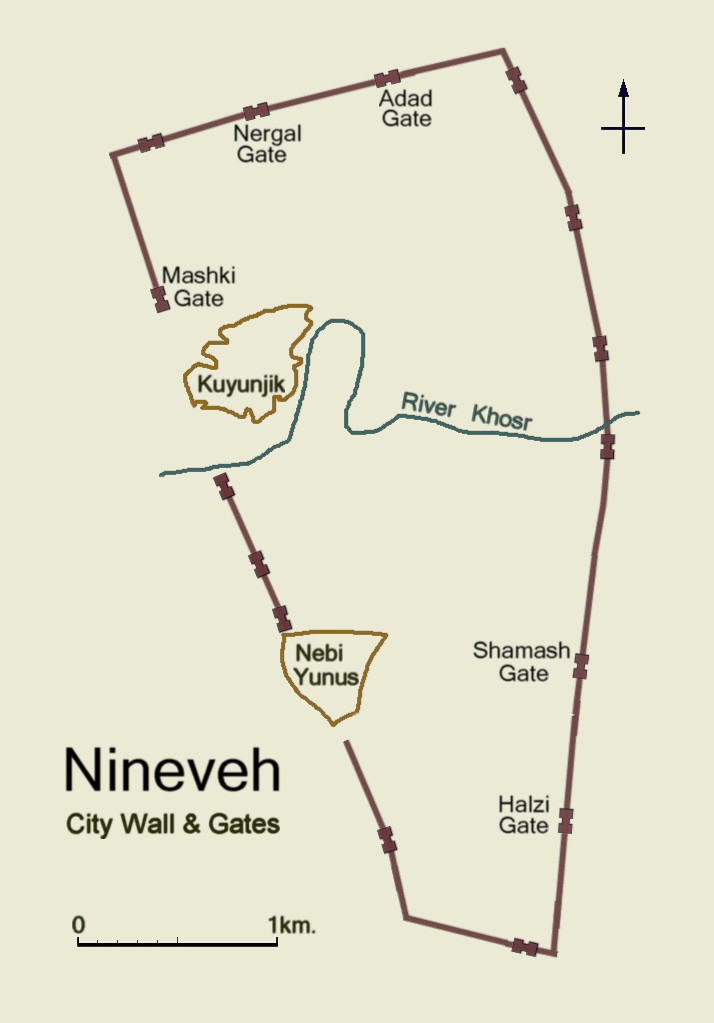
Nahum speaks into a world dominated by Assyria, whose capital Nineveh had become a major political and commercial center under powerful rulers. The Assyrian state is often remembered for its military campaigns, deportations, and acts of brutality that affected neighboring peoples. Earlier prophetic engagement with Nineveh appears in the book of Jonah, which presents a different emphatic note of repentance and divine mercy; Nahum, by contrast, emphasizes the moral accountability of a violent empire. Traditional historical reconstructions date the sack of Nineveh to around 612 BCE, an event that altered the balance of power in the ancient Near East.
Structure and Major Themes
The work is brief and can be read as three linked sections: a proclamation of God's power and justice; a vivid oracle describing the siege and fall of Nineveh; and a closing taunt-song that celebrates the city's ruin. Key themes include divine judgment against cruelty, the vindication of the oppressed, the reliability of divine retribution, and the contrast between God's patience and eventual action. The prophet presents God as both "slow to anger" and certain to punish persistent injustice, offering consolation to those who have suffered under Assyrian aggression.
Literary Features
Nahum employs concentrated poetic language and rhetorical devices to convey its message. Imagery and metaphor—such as the depiction of the city as a lion and as a besieged fortress—create dramatic immediacy and symbolic resonance. The book uses vivid verbs, military vocabulary, and ironical turns to mock the pride and presumed invulnerability of the empire. These techniques help the reader imagine the chaos of siege and the finality of defeat while also framing the events as acts of divine justice rather than mere political happenstance.
Uses, Interpretation, and Legacy
In Jewish and Christian canons the book has been valued for its theological reflections on righteousness and retribution and for its compact, intense prophetic voice. It has been read historically as commentary on Assyrian conduct and the moral order of the ancient world, and the poem has influenced later readings of prophecy that address themes of empire, violence, and divine accountability. Nahum is often paired in study with accounts in other prophetic books that address foreign nations, and it is cited in broader conversations about prophetic literature, poetic form, and theodicy.
Distinctive Features and Notable Facts
- Nahum's opening locates him in a specific town, a rarity among the shorter prophets and a point of interest for traditions about his identity and origin.
- The book stands in literary and theological contrast with the story of Jonah, which emphasizes repentance and forgiveness; Nahum emphasizes final judgment.
- Nahum refers to Nineveh's symbols of power—such as the lion—and describes how they will be humbled.
- The historical backdrop includes Assyrian rulers like Ashurbanipal and the broader Assyrian world often called Nineveh or the Assyrian civilization, whose trade and military reach affected many nations.
For readers interested in further study, consult annotated translations and commentaries that situate Nahum within prophetic corpus studies, historical archaeology, and comparative readings with books like Jonah and Zephaniah. Useful resources examine Nahum's poetic techniques, its historical references to places such as Galilee and Jerusalem, and its reception in religious traditions. Scholarly introductions and literary treatments offer a fuller sense of why this short book continues to attract attention from historians, theologians, and literary critics alike (synoptic studies and translations provide accessible entry points).
Nahum's message has been read both as an ancient announcement about a specific empire and as a more general reflection on the fate of powers that rely on violence and oppression. That duality—specific historical witness and enduring moral challenge—helps explain the book's lasting presence in the scriptural canon.
Related articles
Author
AlegsaOnline.com Book of Nahum: Synopsis, Context, and Themes Leandro Alegsa
URL: https://en.alegsaonline.com/art/12983