
Book cover: purpose, types, materials, history and design
Comprehensive overview of book covers: their structure, materials, historical development, design and production roles, and care for collectors and libraries.
Overview
A book cover is the protective and visual outer layer that holds together a book's pages and presents it to readers. Beyond basic protection, covers communicate genre, tone and value, help identify a book on a shelf and serve important commercial and archival roles. In manufacturings and descriptions the term often refers to any outer covering whether made of paper, boards or more durable materials like plastic. Historically it evolved alongside changes in the book trade and printing technology; today covers balance practical needs with marketing and aesthetic choices.
Image gallery
8 Images



Structure and common parts
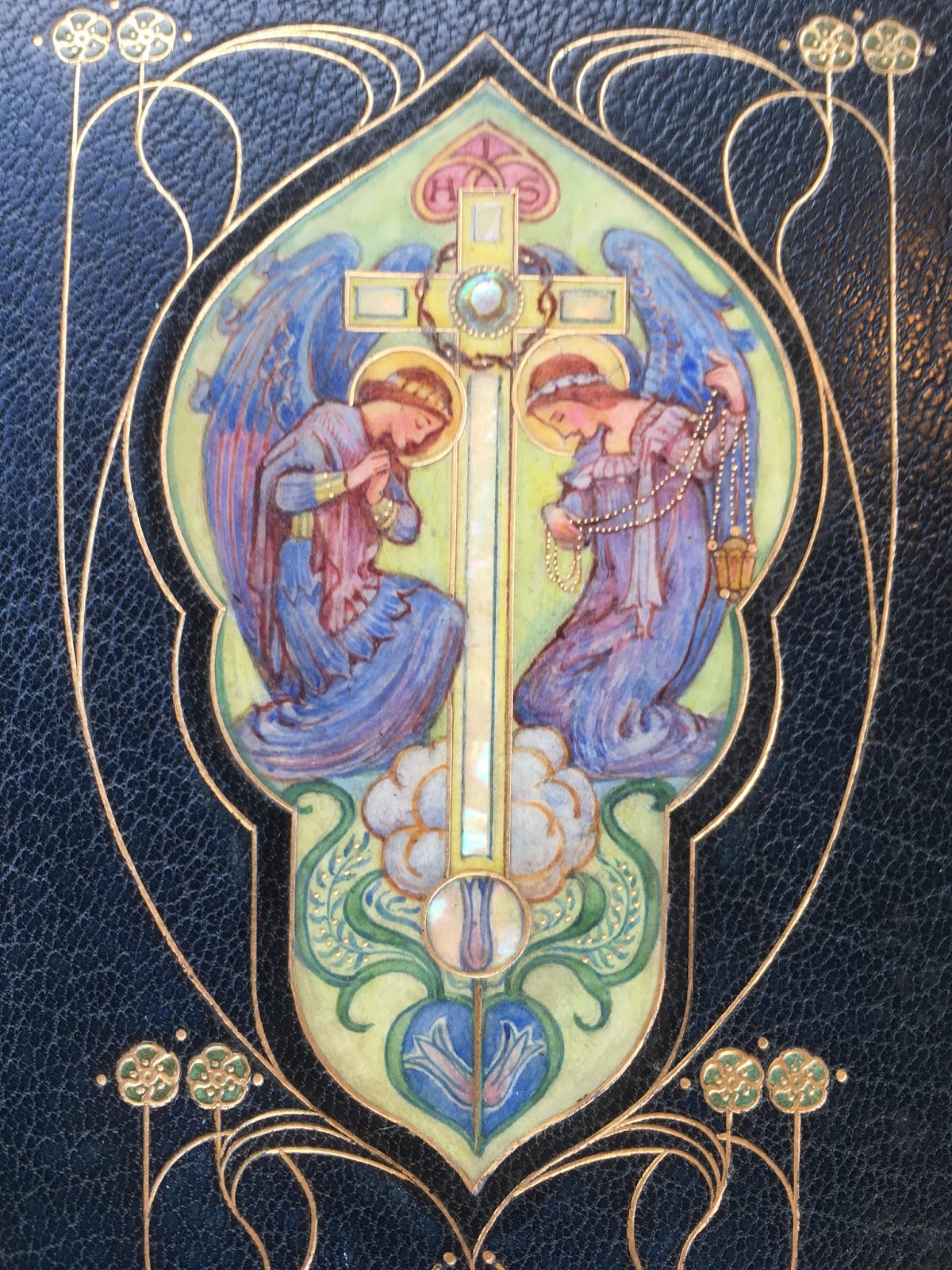
A typical cover assembly includes the front board, back board and spine, joined to the book block by endpapers and adhesive or sewing. Many covers incorporate additional elements: a dust jacket for hardcover books, a laminate film for wear resistance, and decorative features such as foil stamping, embossing or spot varnish. The inside of boards may be covered with pastedown materials and the junction to the text block reinforced at the head and tail. Durable bindings and protective covers are essential for library and archival longevity.
Types and materials
Covers fall into major categories. Hardcovers (case-bound) use rigid boards and are often wrapped in cloth, paper or leather-like materials and sometimes fitted with a removable dust jacket; see hardback distinctions. Softcovers or paperbacks have flexible paper covers and are usually glued at the spine. Materials range from simple kraft or coated paper to book cloth, genuine leather and synthetic substitutes. Surface finishes—matte, gloss, soft-touch laminates, foil—affect durability and visual impact.
History and development
Early books were bound in wooden boards and leather, often highly decorated. As printing and papermaking methods improved, bindings became more varied and affordable: cloth-covered boards, printed paper covers and later mass-market paperbacks emerged to reach wider audiences. The modern dust jacket developed to protect decorative bindings and to provide a marketing surface. Advances in automated binding and finishing have made diverse cover options economically practical for small and large print runs.
Design, function and the marketplace
Designers of covers must reconcile several objectives: protect the text, make the book physically usable, signal content and attract buyers. Typography, imagery, color, and shelving considerations (spine layout) all play roles. For many publishers the cover is a principal marketing tool; for authors and independent presses it is an expression of editorial intent. The economics of book production also influence material choices and finishes—trade-offs between perceived quality and cost determine whether a title appears in hardcover, paperback, or special edition.
Preservation, collecting and special formats
Collectors, conservators and libraries treat covers as part of a book's historical record. Repairs, rebinding and cleaning require appropriate materials and techniques; improper adhesives or plasticizers can damage pages. Special formats include illustrated slipcases, clamshell boxes, and numbered limited editions with distinctive bindings. For practical guidance on conservation or commercial options consult resources on protective enclosures and binding methods via binding references and production guides such as printing and finishing.
Notable considerations
- Environmental impact: choices of board stock, coatings and laminates affect recyclability.
- Accessibility: cover design (legible type, tactile cues) can improve discoverability for readers with visual impairments.
- Market signaling: format and finish often communicate intended audience and price tier.
- Further reading and supplier information is available through trade sources and conservators; see a general supplier directory at materials, marketing primers at production, and retail format guides at paper options and binding types.
Whether viewed as a functional necessity, a marketing canvas or an object of aesthetic value, the book cover remains a vital component of how books are protected, perceived and preserved.
Questions and answers
Q: What is a book cover?
A: A book cover is any protective covering used to bind together the pages of a book.
Q: What materials can be used to make a book cover?
A: The covering may be of paper, or hard paper boards, or even plastic. The boards may be covered with paper, cloth or leather.
Q: What is the difference between hardbacks and softbacks?
A: Hardbacks and softbacks are usually sold at different prices. Hardbacks may be covered with a dust jacket designed to attract readers, and softbacks are almost always designed to attract sales in bookshop displays.
Q: Why are books bought and read in great numbers?
A: The evolution of printing methods has made the production of books very much cheaper than was the case with early printed works.
Q: What is the function of book design?
A: The function of book design is partly to help the reader, but even more to persuade the reader to buy the book.
Q: How do books compete with each other?
A: Books compete against each other in the marketplace.
Q: What is laminated book cover?
A: The boards may be laminated, with a plastic layer onto paper.
Related articles
Author
AlegsaOnline.com Book cover: purpose, types, materials, history and design Leandro Alegsa
URL: https://en.alegsaonline.com/art/12954