
Hardback (Hardcover) Book: Construction, Binding, and Uses
A hardback (hardcover) book has rigid boards and a durable binding. This article covers materials, binding types, durability and cost, history, uses, and how hardbacks differ from paperbacks.
Overview
A hardback, also called a hardcover or hardbound book, is a form of book characterized by stiff, protective covers rather than flexible paper or cardstock. Hardbacks are commonly produced for fiction, non-fiction, reference works, and special editions where longevity, presentation, or perceived value matters. They typically combine robust covers with stronger binding techniques so the volume can withstand repeated handling.
Image gallery
8 Images




Materials and construction
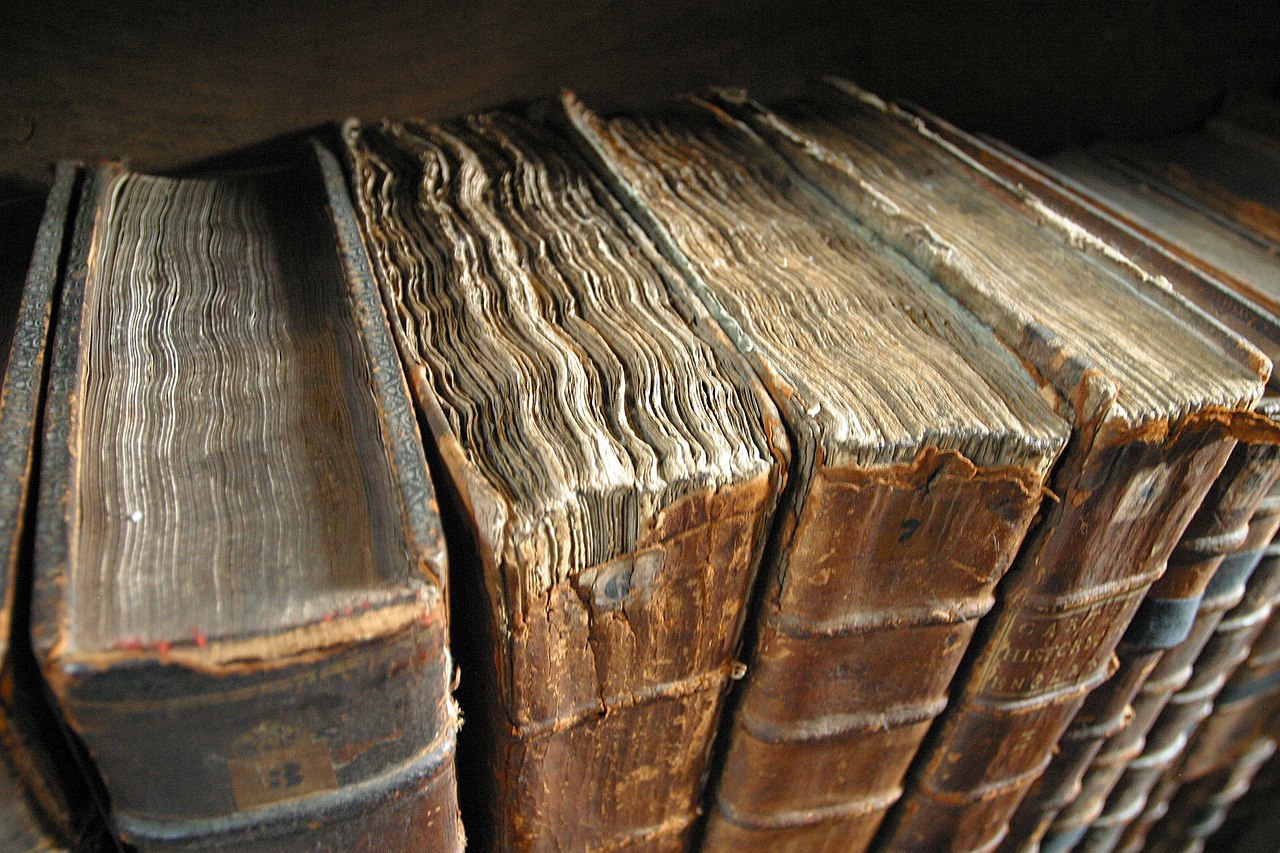
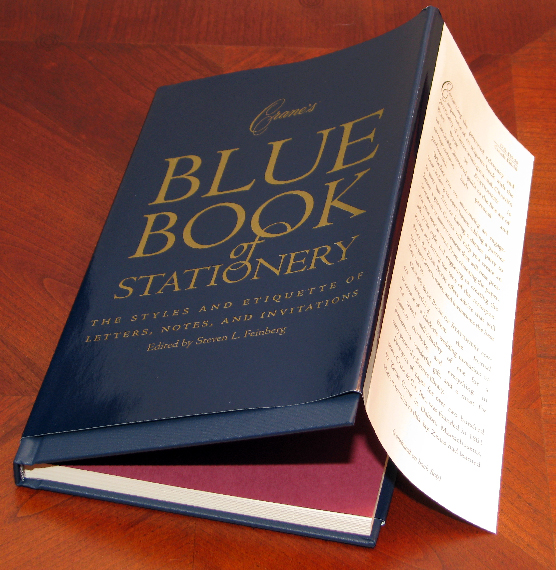
The rigid exterior of a hardback is usually made from thick boards of cardboard or binder's board; such boards are often mentioned as the primary structural element and can be described simply as rigid cardboard. Boards are then covered with a finishing material: this can be a printed or coated heavy paper, cloth, or another durable fabric. A popular choice for cloth covers is buckram, a tightly woven cotton or linen treated to be hard-wearing, while higher-end editions may use leather for a traditional appearance. Plain or decorated paper coverings are also common; publishers sometimes print artwork directly on the boards instead of using a separate dust jacket (cloth or heavy paper coverings are alternatives).
Binding methods
Binding is a key difference between hardbacks and other formats. Many hardbacks use a sewn binding where gatherings (signatures) of pages are sewn together and attached to the spine, creating a flexible connection that helps the book lie flat when open. Some less expensive hardcovers may rely on a glued spine; while cheaper to produce, glued bindings can become brittle or fail over time. The choice of endpapers, headbands, and the design of the spine all contribute to durability and handling.
Characteristics, advantages and drawbacks
- Durability: Stiff boards and stronger bindings make hardbacks longer lasting and better suited to repeated use.
- Protection: Dust jackets or printed boards protect the cover artwork and can carry additional information such as blurbs and author biographies.
- Appearance: Hardbacks are often perceived as more prestigious and are chosen for collectible or gift editions.
- Cost and weight: Hardbacks are usually heavier and more expensive at retail than their paperback counterparts, though production costs may be only modestly higher.
Compared to paperbacks, hardbacks use sturdier materials and different binding methods; paperbacks often employ flexible covers and cheaper paper such as recycled stock (recycled paper is common), which reduces cost but also lifespan.
History and development
The form of books with rigid covers developed gradually as book production evolved. Early codices were protected with boards and leather bindings; later industrial printing and bookbinding techniques in the 19th and 20th centuries standardized hardback production for mass markets. Innovations in cloth finishing, dust jacket design, and mechanized sewing allowed publishers to produce attractive, durable hardcovers at larger scale.
Uses, collectibility, and notable facts
Hardbacks remain the preferred format for libraries, collectors, and many trade publishers launching new titles. Libraries often favor hardbacks because they withstand circulation better, and collectors prize first or limited editions in hardcover for their longevity and aesthetic qualities. Special features such as sewn endbands, gilt edges, or integrated ribbon markers enhance function and collectibility. While the paperback market caters to portability and lower cost, the hardback endures where durability, presentation, and perceived value are prioritized.
Questions and answers
Q: What is a hardback book?
A: A hardback book is a book with stiff covers made of rigid cardboard, usually covered with cloth, heavy paper, or leather.
Q: What kind of spine should a hardback book have?
A: A hardback book should have a flexible, sewn spine which allows the book to lie flat on a surface when opened.
Q: Why is a glued spine not as good as a sewn spine for a hardback book?
A: A glued spine is not as good as a sewn spine for a hardback book because the glue gets worse with time.
Q: How durable are hardback books compared to paperbacks?
A: Hardback books are much more durable than paperbacks.
Q: What are some of the disadvantages of paperback books?
A: Paperbacks are often printed on cheap recycled paper, and have flexible, easily damaged paper covers.
Q: Are hardback books significantly more expensive to produce than paperbacks?
A: Hardback books are only slightly more costly to make than paperbacks.
Q: What are some of the features that hardback books may have?
A: Hardback books may have artistic dust jackets or designs printed right on the board binding.
Related articles
Author
AlegsaOnline.com Hardback (Hardcover) Book: Construction, Binding, and Uses Leandro Alegsa
URL: https://en.alegsaonline.com/art/42406
Sources
- publishingperspectives.com : "In praise of paper-over-board"
- observer.com : "The new thing: books without jackets"