
Book of Common Prayer
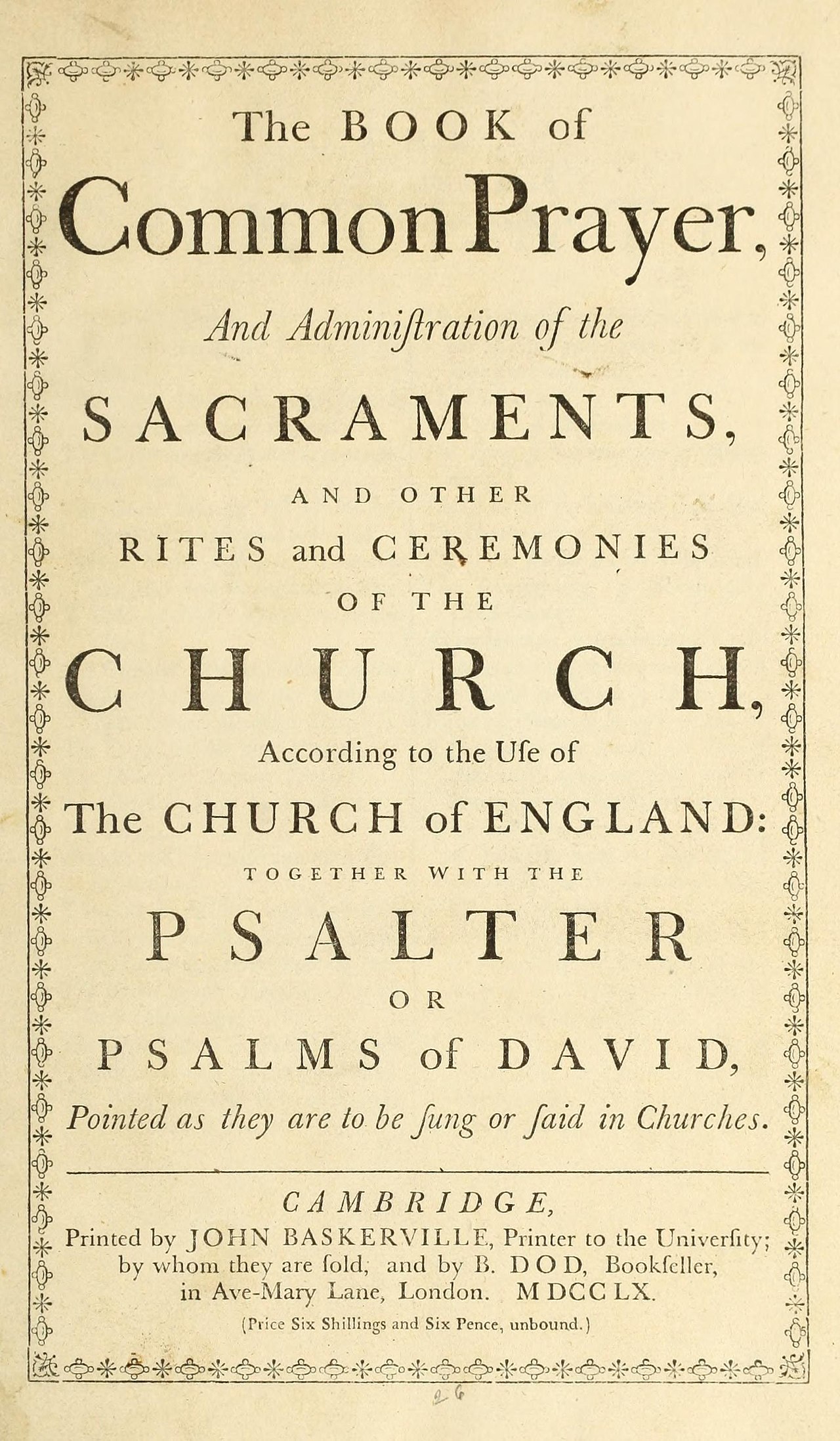
The Book of Common Prayer is the standard Anglican liturgical book first issued in English (1549). It contains forms for worship, sacraments, and daily prayer and shaped worship across the Anglican Communion.
The Book of Common Prayer is the principal liturgical manual of Anglicanism, compiling prayers, services and pastoral rites in a single volume intended for use in public worship and private devotion. Its earliest complete edition in English appeared in the mid‑16th century and established a standardized pattern of worship across English parishes. Over time it became both a religious and cultural touchstone, influencing English prose and common religious practice.
Image gallery
10 Images




Scope and contents
The book gathers the forms and rubrics for principal services: Morning Prayer, Evening Prayer, the celebration of the Eucharist (Holy Communion), the Litany, and a collection of occasional offices such as baptism, confirmation, marriage, burial, and public penance. It normally includes the Psalter or directions for using the Psalms, a calendar of saints' days, and a set of collects and prayers for use through the church year. Editions differ in language and arrangement, but the intention is consistent: to provide coherent, communal texts for the Church's life.
History and development
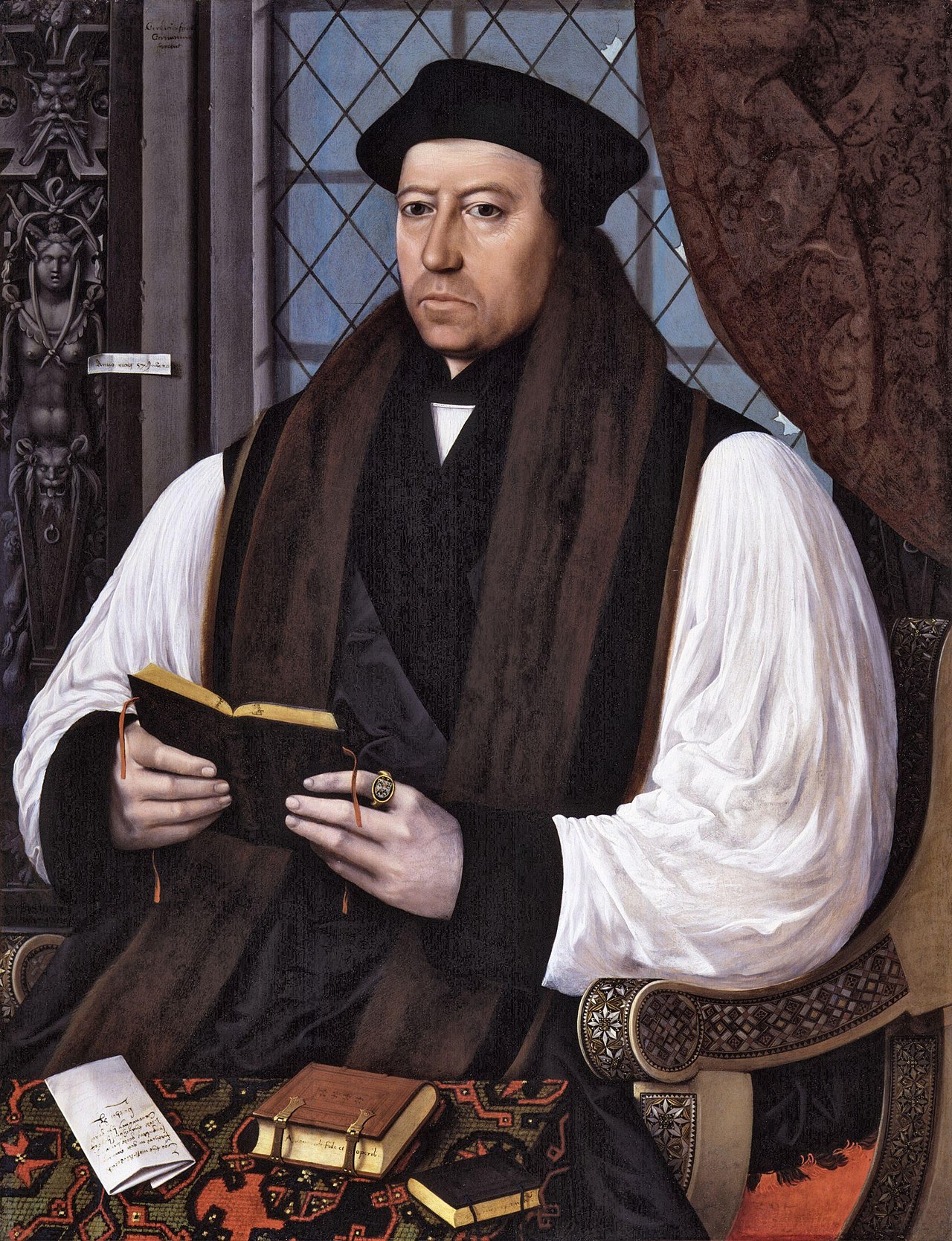
The Book of Common Prayer emerged in the context of the English Reformation. Key reforms sought to replace Latin liturgies with vernacular services and to make rites accessible to congregations. The first authorized English prayer book appeared in 1549 during the reign of Edward VI, and it was followed by subsequent revisions that reflected theological and pastoral adjustments. Leaders associated with its creation sought a balance between tradition and reform so that scripture and common corporate prayer would be central to worship.
Authority, editions and variants
Different provinces and national churches within the Anglican Communion authorized distinct editions. Some historical editions became widely accepted as standards for long periods. While the Church of England preserved certain historic texts as authorized liturgies, other Anglican churches produced revisions and alternatives to respond to pastoral needs and contemporary language. The book's form has been adapted, expanded, and sometimes abbreviated, but its structure remains influential.
Uses and cultural importance
Beyond its liturgical function, the Book of Common Prayer has had lasting effects on English religious life and literature. Its measured prose and memorable collects influenced writers and ordinary speech. It served as a unifying manual in parish life, providing a common set of prayers and rites that helped define Anglican identity. Contemporary worship in many provinces still draws directly from or contrasts with its texts.
Distinctive features and legacy
- Vernacular and congregational focus: intentionally written for public comprehension and participation.
- Single-volume arrangement: combined daily offices, sacraments and occasional rites for convenient parish use; sometimes described as a single-volume prayer book.
- Liturgical stability and adaptability: while preserving core forms, it has permitted revision in language and practice across times and places.
- Historical associations: closely connected with key figures and events of the English Reformation, including clerical reformers and royal authority such as Anglican prayer book developments.
Today the Book of Common Prayer remains both a living liturgical resource and an object of historical study. Its multiple editions tell a story of continuity and change within Anglicanism, illustrating how a fixed set of prayers can be adapted to meet pastoral needs and cultural shifts while preserving a sense of shared worship.
Related articles
Author
AlegsaOnline.com Book of Common Prayer Leandro Alegsa
URL: https://en.alegsaonline.com/art/12958