
Orlando Gibbons (1583–1625)
English composer and organist of the late Tudor and early Jacobean eras, celebrated for church music, keyboard works, consort pieces and expressive vocal writing.
Overview
Orlando Gibbons was a leading English composer and keyboard player active around the turn of the 17th century. Baptised on 25 December 1583, he worked at the highest musical institutions of his day and produced a body of sacred and secular music that remains core repertoire for choirs and early-music ensembles. Gibbons's output combines rigorous contrapuntal skill with lyrical invention, and he is often regarded alongside contemporaries as a central figure in the transition from late Tudor to early Stuart musical taste.
Image gallery
9 Images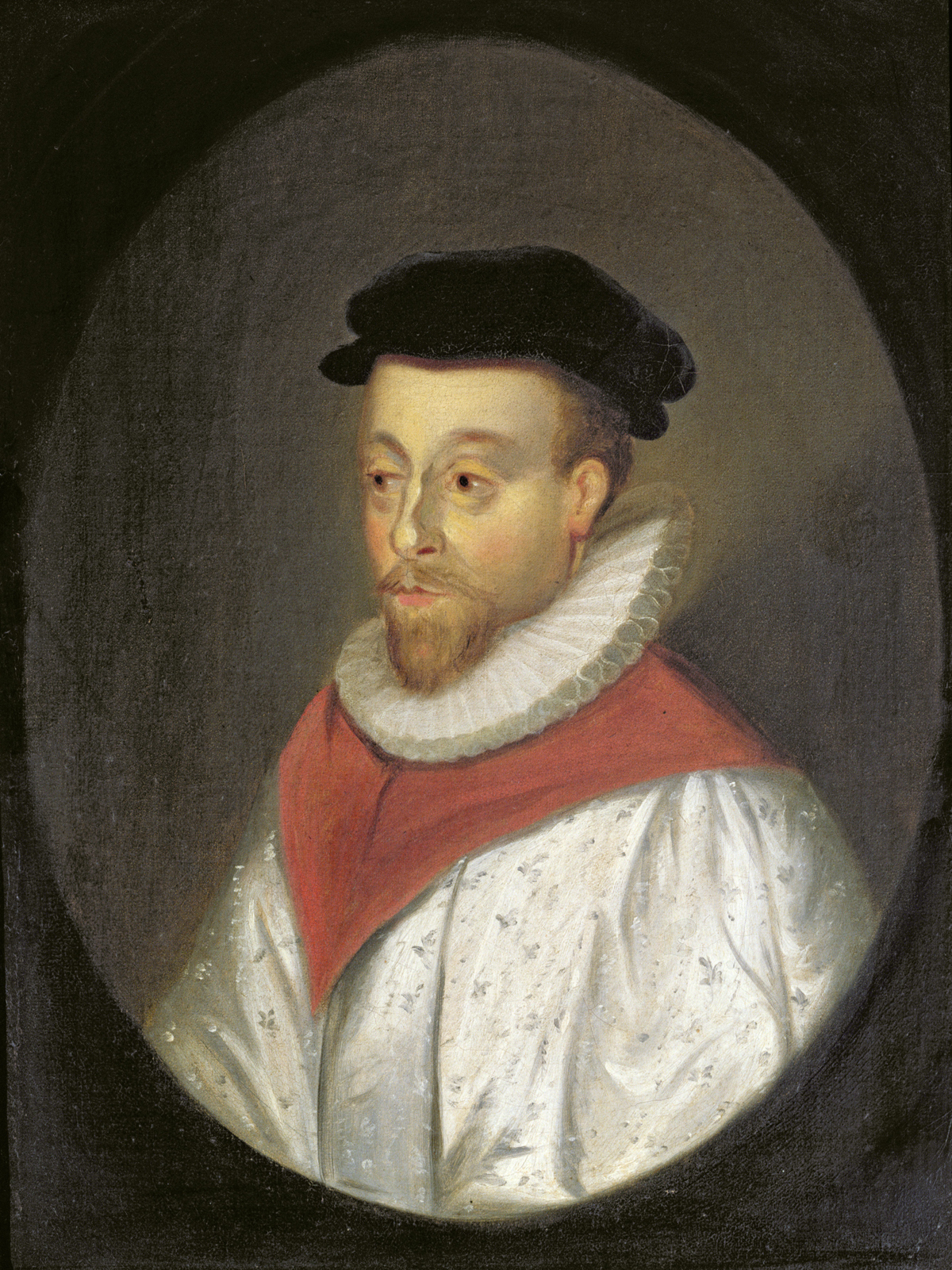


Life and career
Gibbons was born in Oxford and spent part of his youth in Cambridge, where family connections placed him within the collegiate musical world. He sang in the choir of King’s College and later took a degree in music. His professional appointments included service as a Gentleman of the Chapel Royal and organist to the royal household, roles that tied him to court ceremonial and liturgical practice. He also held posts at Westminster Abbey and served in the privy chamber of Prince Charles as a keyboard player. Gibbons died in Canterbury on 5 June 1625 and is commemorated by a monument in Canterbury Cathedral.
Musical style and contributions
Gibbons's music displays a blend of expressive melody and technical counterpoint. For sacred music he wrote services and both full and verse anthems that exploit antiphonal contrasts between soloists and choir. His verse anthem 'This is the record of John' is a characteristic example, alternating an ornate solo line with ensemble passages. As a keyboard composer he left pieces that reflect contemporary practices for organ and virginal, showing both improvisatory fantasia-like writing and carefully crafted polyphonic textures. He was also an accomplished composer for viol consort and for voices in the madrigal idiom.
Notable works
- The Silver Swan (madrigal) — a concise secular piece admired for its expressive clarity.
- This is the record of John (verse anthem) — often performed at Advent with an extended countertenor solo.
- Short Service and the longer Evensong settings — examples of his liturgical contribution to Anglican worship.
- Consort fantasias and keyboard pieces — including a number of viol fantasias and organ compositions used by keyboard players of the period.
Context, influence and legacy
Gibbons worked at a cultural crossroads: a court and church system that prized refined vocal writing and instrumental skill. His treatment of text, blend of homophonic and contrapuntal textures, and idiomatic keyboard writing influenced subsequent English composers and helped sustain a national style of sacred music into the mid-17th century. Many of his anthems remain in regular liturgical use and are popular in concert performance. Modern scholarship and recordings have kept his music in steady circulation among choirs and early-music specialists.
Further notes and resources
For topics related to his life and works, see resources on his birthplace, education, appointments and representative pieces: Oxford (birthplace), baptismal record, Canterbury (death), English composer, composer profile, organist appointments, Tudor and Jacobean context, Cambridge connections, Chapel Royal service, keyboard repertoire, harpsichord and virginal, service to Prince Charles, Westminster Abbey post, cause of death, monument in Canterbury Cathedral, fantasias for viols, viols and consort music, madrigals, anthems, counterpoint, melodic style, Advent repertoire, countertenor solos, Palm Sunday settings.
Gibbons's work continues to be studied for its craftsmanship and expressive range; performers and scholars draw on manuscript sources and early prints to reconstruct performance practice. Choirs prize his clarity of text-setting, while keyboard players value his richly textured pieces that bridge improvisation and strict polyphony.
Author
AlegsaOnline.com Orlando Gibbons (1583–1625) Leandro Alegsa
URL: https://en.alegsaonline.com/art/127931