
Palm Sunday: Christian observance marking Jesus’ entry into Jerusalem
Palm Sunday is the Christian observance that commemorates Jesus’ entrance into Jerusalem, beginning Holy Week with processions, blessed palms, liturgies and local customs across many denominations.
Overview
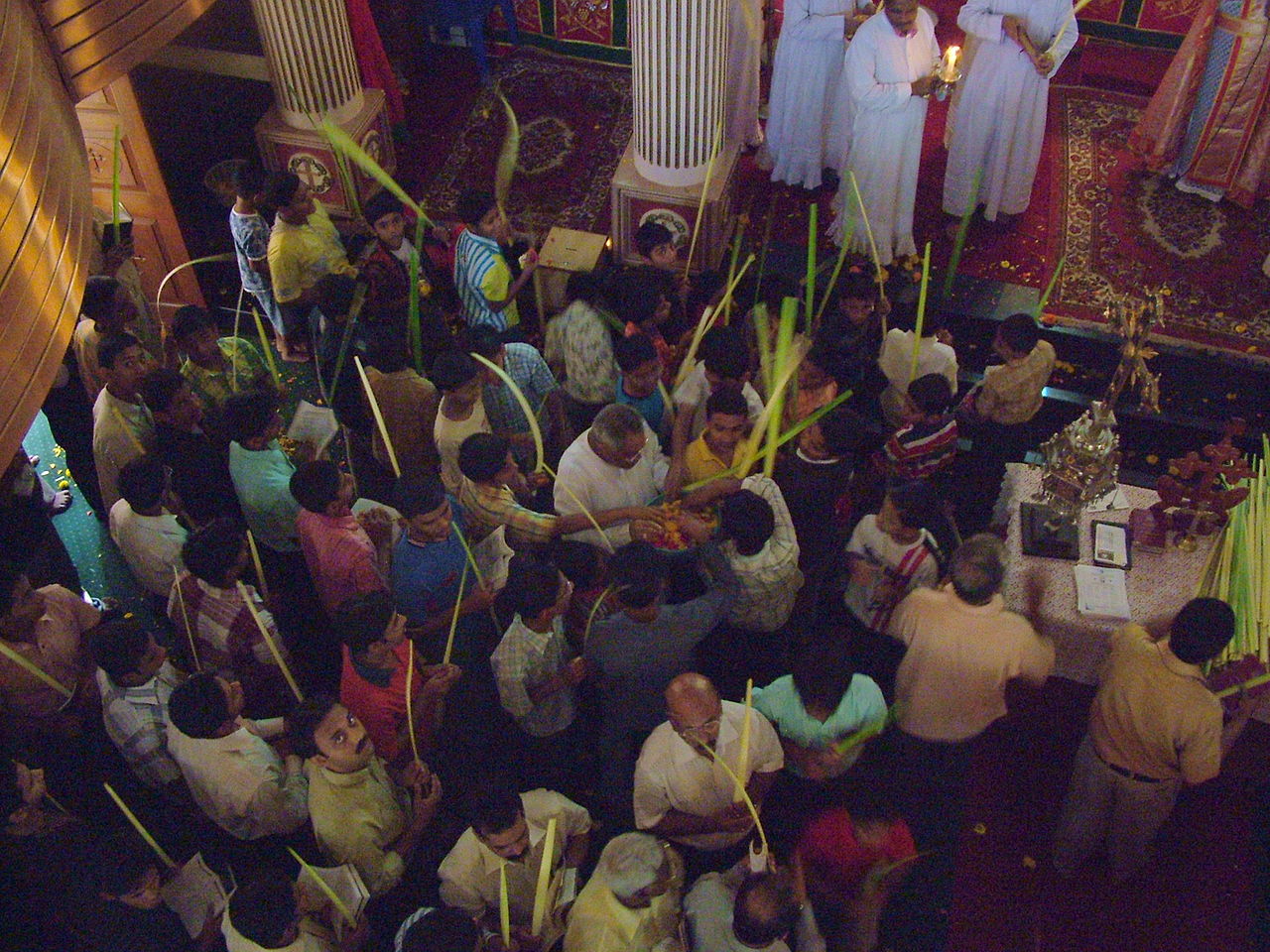
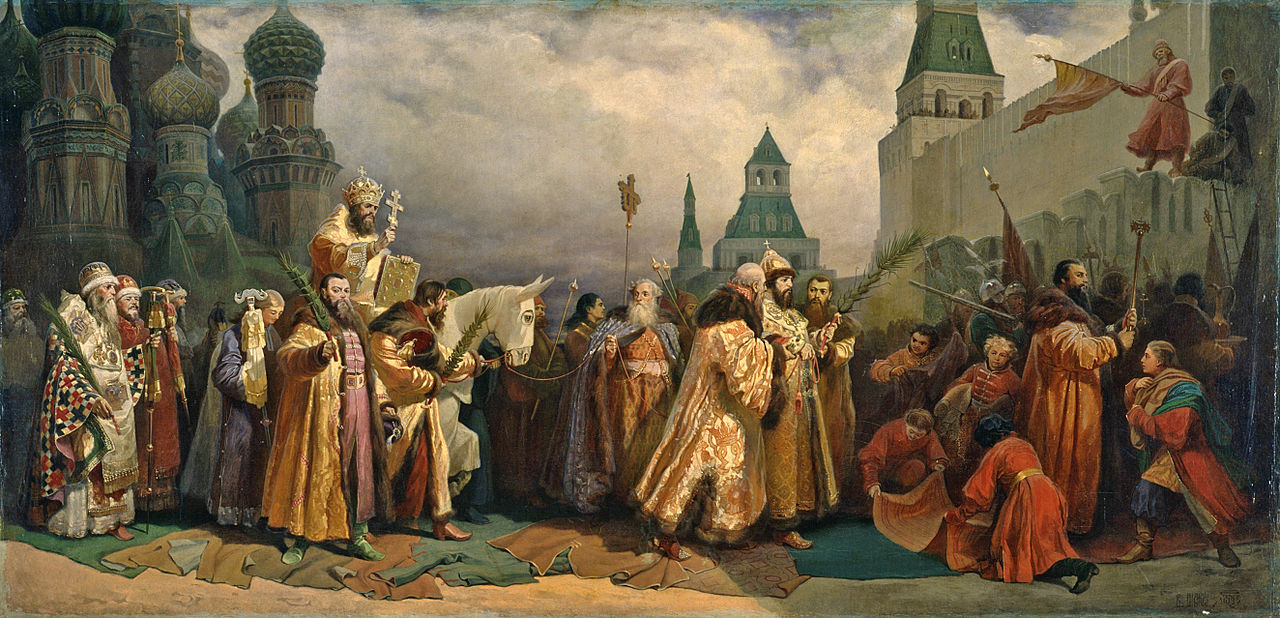
Palm Sunday is a Christian festival observed on the Sunday before Easter. Its date changes each year because it is tied to the date of Easter; it is therefore a movable feast in the church calendar. The day commemorates and celebrates the event in which Jesus rode into Jerusalem in the days leading up to his crucifixion, an episode described in the Christian Bible. Many congregations mark the day with processions, special readings and the distribution of palm branches.
Image gallery
10 Images






Biblical accounts
The story of the triumphal entry appears in all four canonical Gospels; worship services commonly read one or more of these passages. Traditional biblical references include:
Liturgical role and timing
In most Western Christian traditions Palm Sunday begins Holy Week, the final week of Lent that culminates in Easter Sunday. Churches of many denominations — including Roman Catholics and Protestants — observe the day, often with a procession that recalls the crowds who welcomed Jesus. Eastern Orthodox churches also celebrate Palm Sunday but usually on a different date because they use the Julian calendar for liturgical dating.
Customs and symbols
Palm branches are the principal symbol of the day. In climates where palms are not available, other branches such as willow, olive or yew may be used. Common practices include:
- Blessing and distributing palm leaves or substitute branches to the congregation.
- Making small crosses or simple shapes from palm fronds; these crosses are often kept in homes as devotional reminders.
- Processions inside or outside the church to re-enact the entry into the city.
- Collecting and burning palms after the season to produce ashes for the following year’s Ash Wednesday.
History and meaning
The use of palms on this day reflects older Near Eastern and Mediterranean customs in which palms symbolized triumph, victory and honor. Early Christians adapted those cultural marks to signify recognition of Jesus as Messiah during the final days before his death and resurrection. Over centuries the observance was incorporated into formal liturgical calendars and developed regional variations — from impressive outdoor processions in temperate climates to modest indoor rites where palms are unavailable.
Regional variations and notable facts
Palm Sunday traditions vary widely. In some places households place blessed fronds behind crucifixes or over doorways for protection and blessing. In others, elaborate public processions and dramatic liturgies form key elements of Holy Week observance. The day also prepares worshippers for the somber events of Holy Week: while palms recall a welcome, the week ahead recalls betrayal, trial, suffering and ultimately the celebration of Easter.
Learn more or consult local parish resources for specific customs and schedules. See also denominational liturgies and ecumenical guides for variations across Christian traditions (liturgical calendars, cookbooks of ritual). Other useful references include cultural studies, regional histories and scripture commentaries on the relevant passages (biographical context, geographic background, historical setting). For primary texts consult the Bible and the gospel readings cited above: Mark, Matthew, Luke, and John. Practical guidance on making and keeping palms is available from many parishes (crafts and crosses, palm care) and from denominational websites (ecclesial resources).
Related articles
Author
AlegsaOnline.com Palm Sunday: Christian observance marking Jesus’ entry into Jerusalem Leandro Alegsa
URL: https://en.alegsaonline.com/art/74226