
Canterbury Cathedral
Medieval cathedral in Canterbury, Kent; seat of the Archbishop of Canterbury, a UNESCO World Heritage Site and landmark of Norman and Gothic architecture, famed for Thomas Becket and centuries of pilgrimage.
Overview
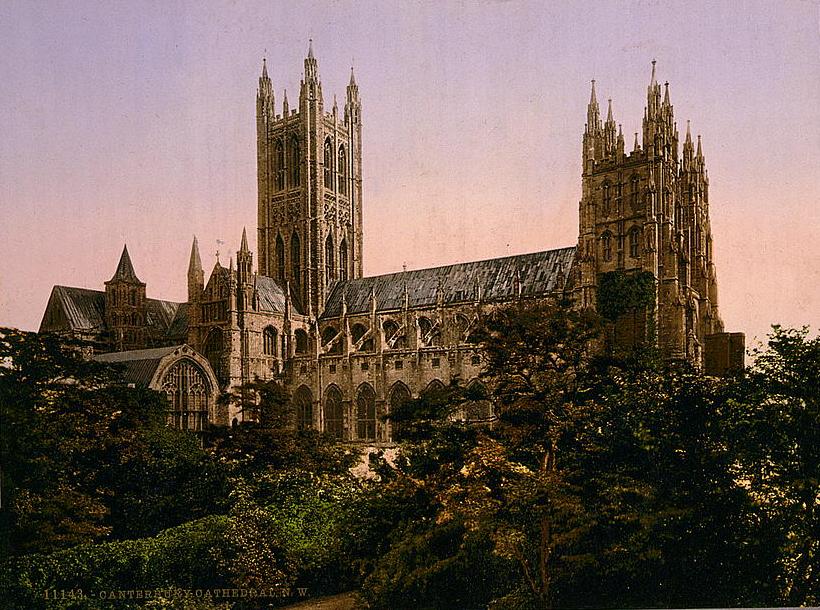
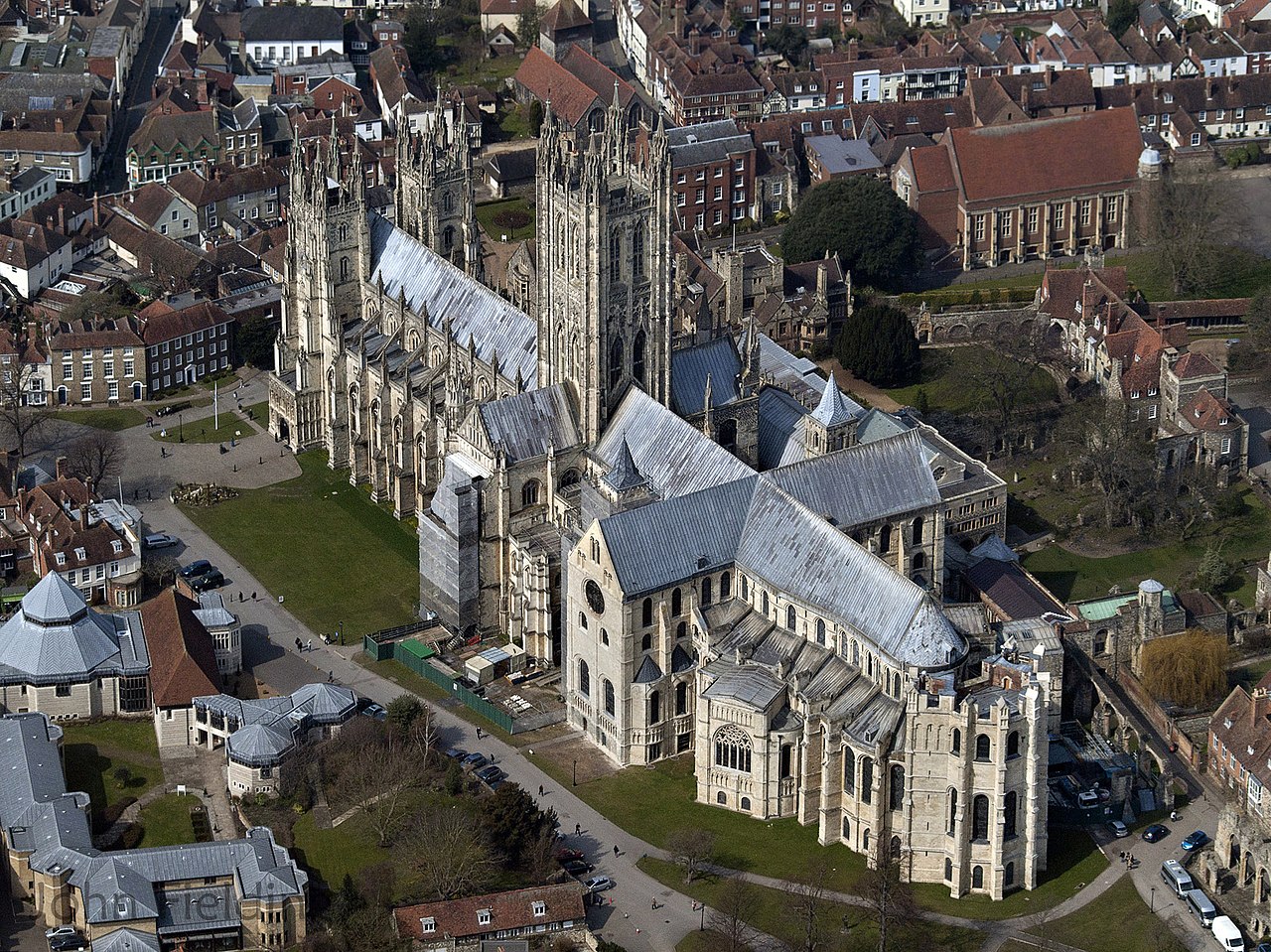
Canterbury Cathedral is one of England's oldest and most celebrated churches. Located in the city of Canterbury in Kent, the cathedral has served as the principal church of the English episcopate for more than a millennium. It is often described as among the finest examples of medieval Norman architecture later enriched with Gothic work. The building is a working place of worship and a major destination for visitors from around the world, and is recognised by UNESCO as a World Heritage Site.
Image gallery
10 Images





Architecture and layout
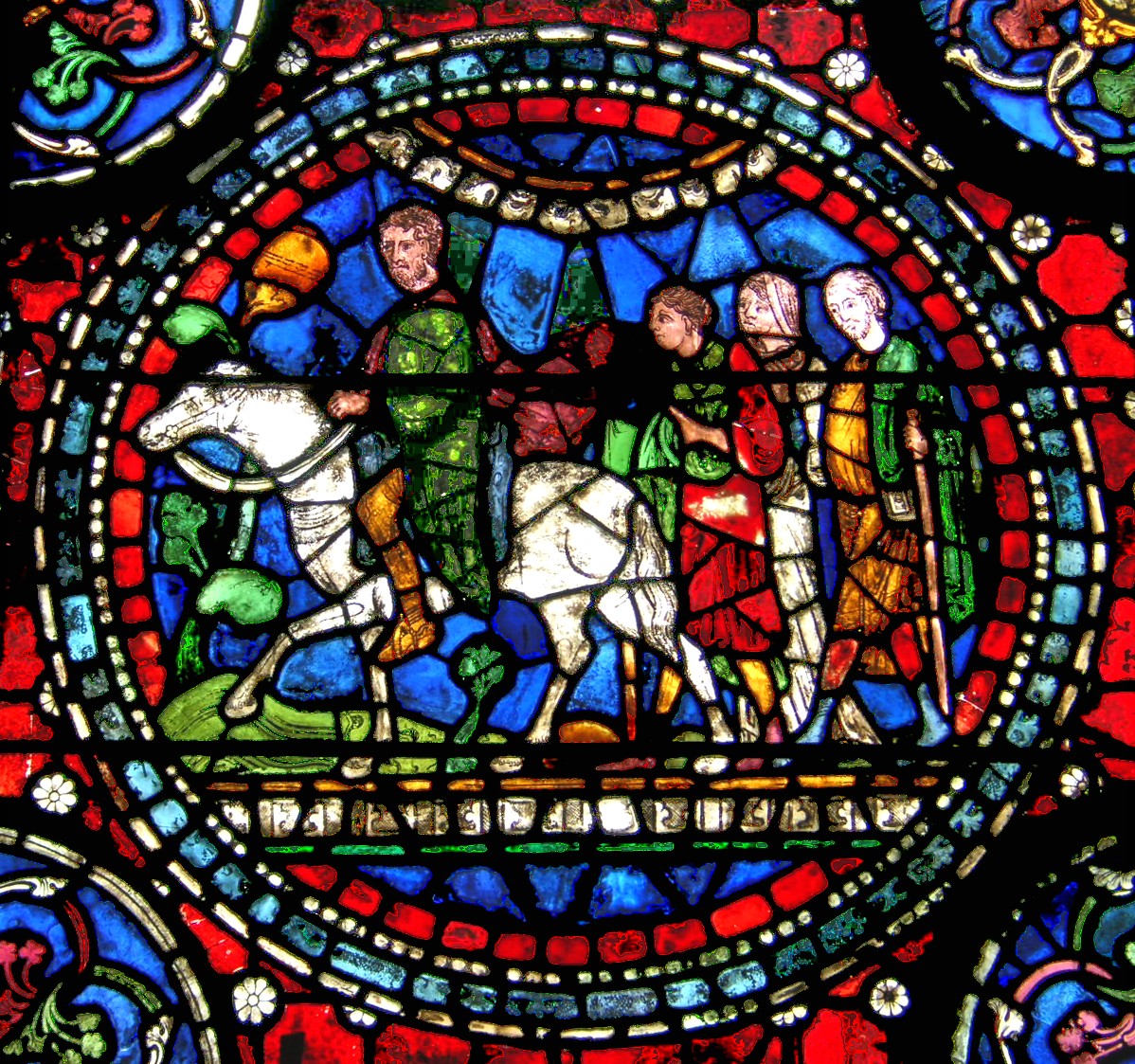
The cathedral complex includes nave, choir, transepts and an extensive crypt that contains some of the earliest surviving fabric. Over the centuries the original Anglo-Saxon foundation gave way to a Norman reconstruction and subsequent Gothic additions that introduced pointed arches, higher vaults and intricate stone carving. Decorative features include medieval stained glass, carved capitals and a variety of chapels clustered around the eastern end.
History
The site has been important to English Christianity since the arrival of Augustine in the late 6th century and the establishment of a cathedral there. A major rebuilding in the 11th century created much of the Romanesque structure still visible today. The cathedral is especially associated with the 12th-century martyrdom of Thomas Becket, whose death inside the church made it a focal point for pilgrimage across medieval Europe. The Reformation and later centuries altered and removed some shrines, while 19th-century conservation work addressed decay and restored architectural elements.
Significance and uses
Canterbury Cathedral is the official seat of the Archbishop of Canterbury, the senior cleric of the Church of England and a figure with historic importance in the Anglican Communion and British religious life. The cathedral continues to host daily services, ordinations, national ceremonies and music performances, while also functioning as a museum of ecclesiastical art and history and a destination for tourists and pilgrims.
Notable facts and distinctions
- The cathedral has been central to English religious history, especially after the martyrdom of Thomas Becket in 1170, which made it a principal pilgrimage site described in literature such as Chaucer's tales.
- It remains a living institution: clergy, choirs and lay staff maintain regular worship alongside conservation teams that care for its medieval fabric.
- As a major heritage site, it draws scholarly attention for its architecture, sculpture and stained glass, and for its role in the development of the English church.
Visiting and further information
Visitors can explore the cathedral's public spaces, attend services or learn through guided tours and exhibitions. For introductions and practical details consult official resources and guides: the cathedral's general introduction, visitor information and educational materials are available online and in printed form. See the cathedral entry overview, historical notes about the building, and resources on its status and role in the church hierarchy and the Church of England.
Questions and answers
Q: Where is Canterbury Cathedral located?
A: Canterbury Cathedral is located in the city of Canterbury, in the county of Kent, in England.
Q: What is the significance of Canterbury Cathedral?
A: Canterbury Cathedral is one of the oldest and most famous churches in England. It is a UNESCO World Heritage Site and one of the greatest examples of medieval Norman architecture in Britain.
Q: Who is the archbishop of Canterbury?
A: The archbishop of Canterbury is the most important bishop in the Church of England and is responsible for significant religious and national events.
Q: What is the role of the archbishop of Canterbury?
A: The archbishop of Canterbury's role is to lead the Church of England and represent the Anglican Communion worldwide. They are also a senior bishop in the House of Lords.
Q: What is the historical significance of Canterbury Cathedral?
A: Canterbury Cathedral has played an important role in English history as the site where Thomas Becket, the Archbishop of Canterbury, was famously murdered in 1170.
Q: How does Canterbury Cathedral relate to UNESCO?
A: Canterbury Cathedral is a UNESCO World Heritage Site due to its cultural and historical significance.
Q: What is the architectural style of Canterbury Cathedral?
A: Canterbury Cathedral is an example of medieval Norman architecture, characterized by rounded arches, pillars, and intricate decorative design.
Related articles
Author
AlegsaOnline.com Canterbury Cathedral Leandro Alegsa
URL: https://en.alegsaonline.com/art/16626