
Tudor period (1485–1603): England under the Tudor dynasty
The Tudor period covers English history from 1485 to 1603, marked by dynastic rule, religious upheaval, economic and social change, and cultural flowering culminating in the Elizabethan years.
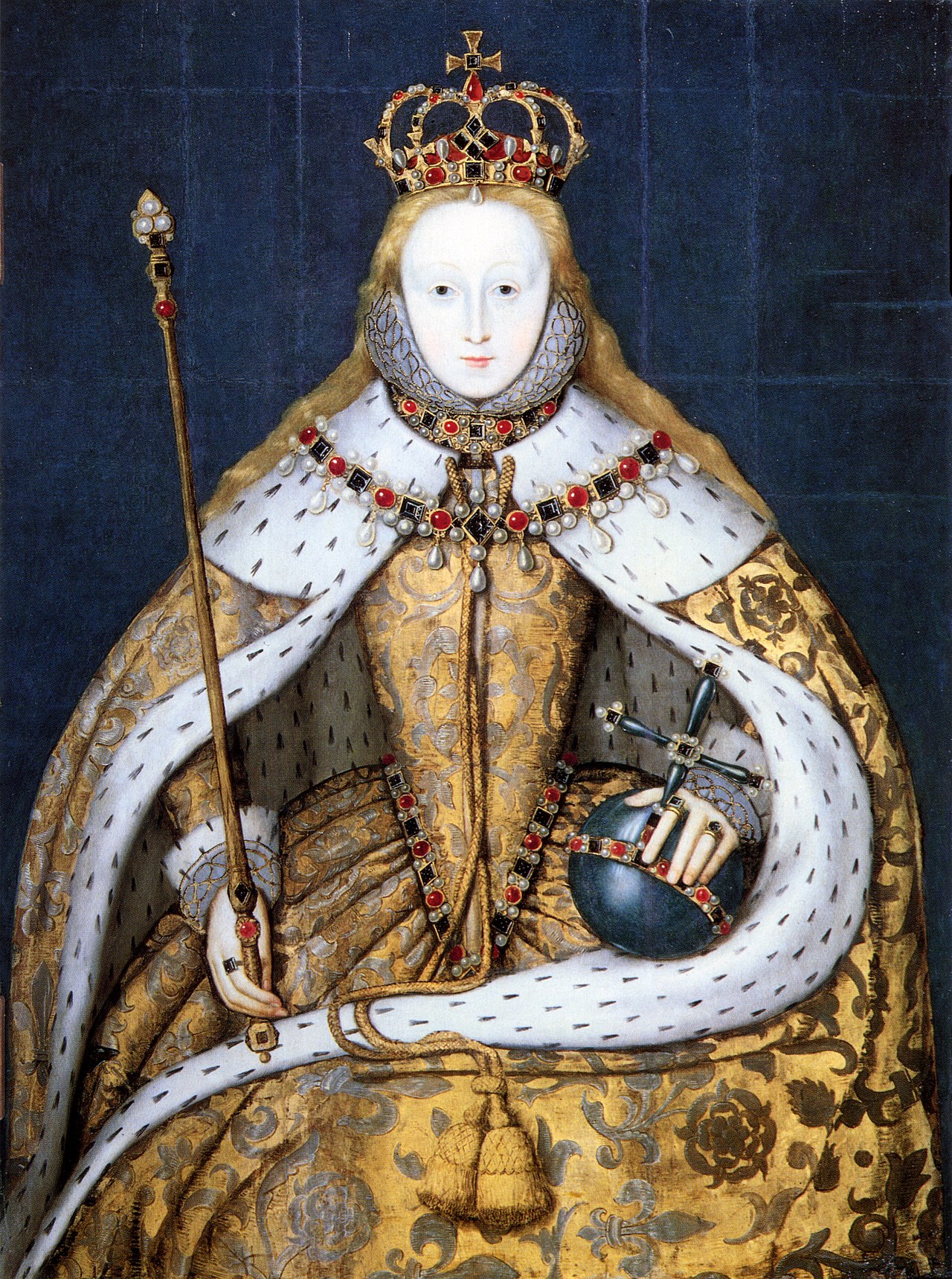
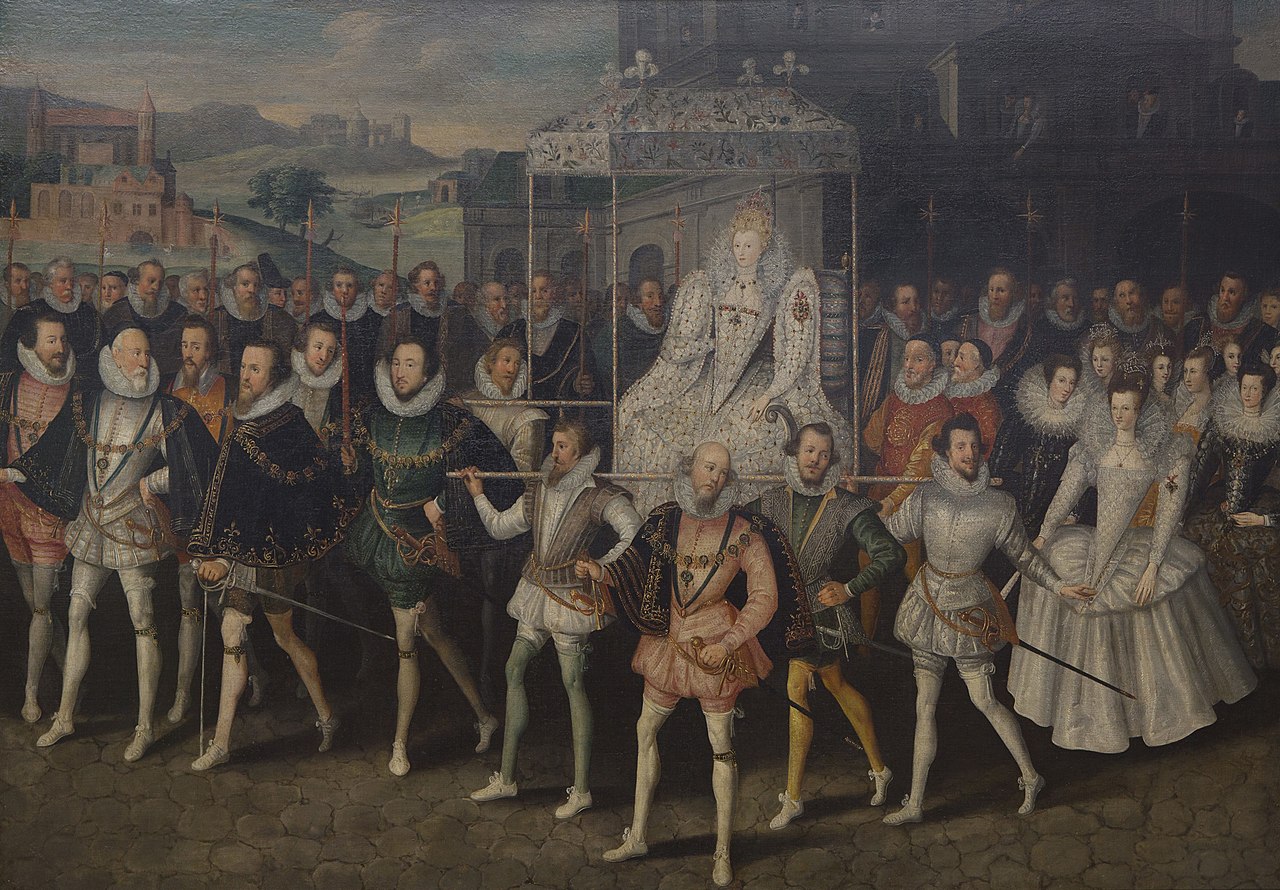
The Tudor period commonly denotes the years 1485–1603 when the Tudor dynasty governed large parts of what is now England. It begins with Henry VII, who secured the throne after the Wars of the Roses, and ends with the death of Elizabeth I. The late Tudor decades overlap with what is often called the Elizabethan era, a time when politics, religion and culture produced changes that shaped later British society.
Image gallery
10 Images



Political and dynastic context
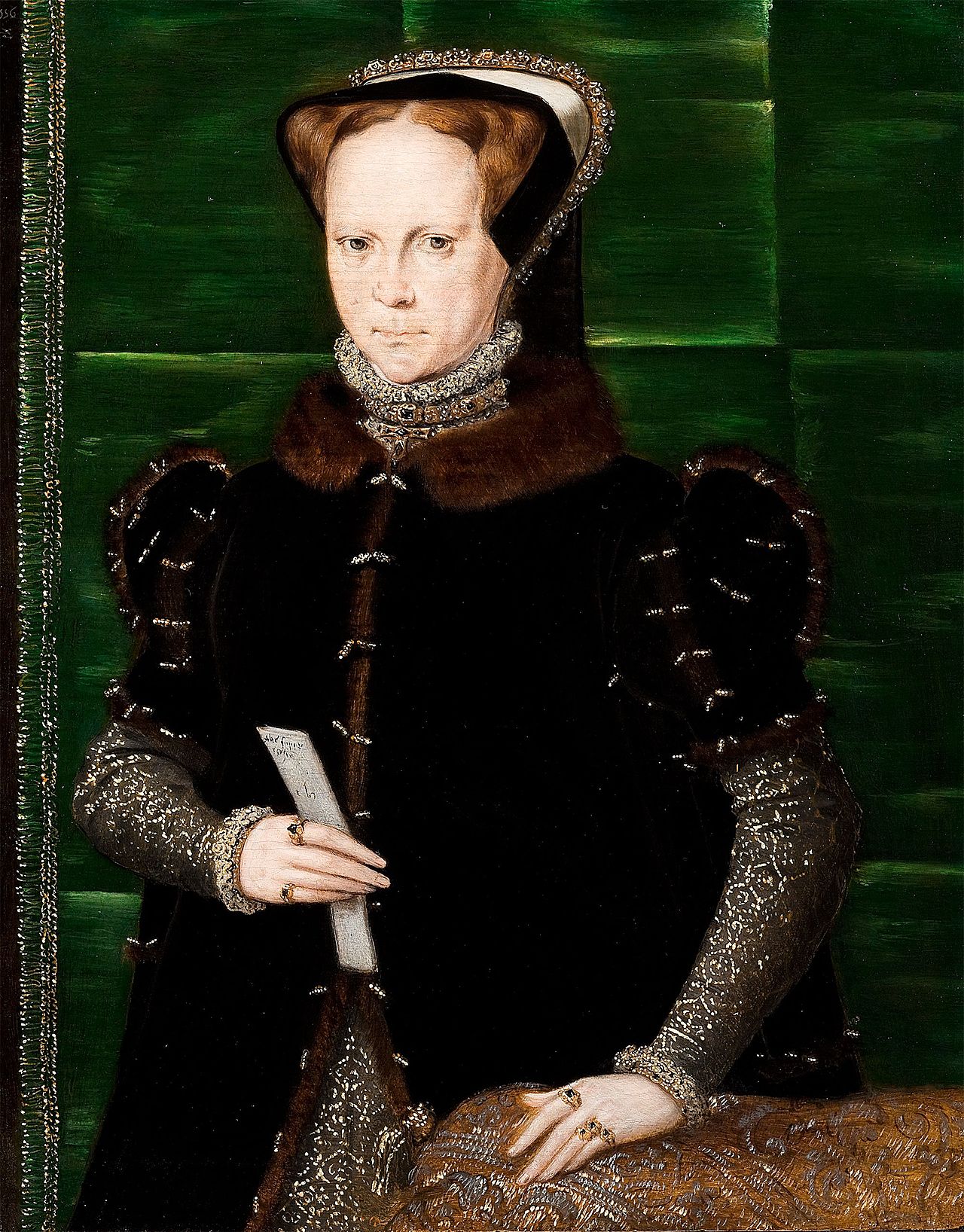
Henry VII (reigned 1485–1509), the dynasty's founder, established relative stability after prolonged civil conflict. He strengthened the monarchy's finances and legal institutions and negotiated trade terms that benefited English merchants. Subsequent monarchs — including his son Henry VIII and granddaughters Mary I and Elizabeth I — faced recurring tensions between royal authority, nobility and emerging parliamentary roles. The Tudor monarchs exercised strong personal rule but also relied on councils, justices of the peace and networks of local elites.
Religion and governance
Religion was a defining axis of Tudor governance. Henry VIII’s break with Rome initiated the English Reformation and transfer of ecclesiastical power to the crown, affecting church property, clerical life and public worship. His children continued and reversed aspects of this policy: Edward VI advanced Protestant reforms, Mary I temporarily restored ties with the papacy, and Elizabeth I settled a Protestant settlement that combined royal supremacy with a broadly defined Church of England. Religious changes had social, legal and cultural consequences that extended beyond doctrine.
Economy, society and demography
After population decline in earlier centuries, Tudor England experienced renewed demographic growth. This period saw significant shifts in land tenure and agricultural practice. Enclosure — the conversion of common arable land into private pasture and more intensive holdings — altered rural life and provoked social discontent in some regions. The woollen industry and cloth trade remained central to exports, helped by commercial agreements negotiated by the crown and merchants. Economic life also felt broader European and Atlantic influences: increased trade, price changes often described as inflationary pressures, and the early impact of wealth flowing from the New World including bullion such as gold.
Culture, exploration and technology
The Tudors presided over a vibrant cultural flowering. Literary, theatrical and architectural innovations appeared alongside improvements in printing and education that spread ideas more widely. This age saw growing maritime activity: seafarers, privateers and merchants extended English interests overseas, driven by trade and competition. Technological and navigational advances supported longer voyages and the establishment of early trading networks.
Everyday life and notable developments
- Social stratification increased: a wealthy elite consolidated land and offices while many rural and urban poor faced wage pressures and limited opportunity.
- Legal and administrative changes strengthened royal control, for example through the use of royal councils and local justices.
- Religious change affected parish life, charity systems and education, as monasteries were dissolved and church property redistributed.
The Tudor century is therefore important for its mixture of continuity and transformation: dynastic politics and centralized monarchy; religious upheaval and settlement; economic realignment from medieval structures toward more market-oriented practices; and a cultural and commercial expansion that paved the way for subsequent English and British history. For further reading on political structures and social change, consult specialized histories and primary sources available through archival collections and academic surveys (see also Henry VII for the dynasty's origin and the Black Death and agricultural depressions for earlier demographic context). Additional resources discuss the textile economy, notably the export of woollen cloth and its role in Tudor commerce.
Because the Tudor period intersects political, religious, economic and cultural histories, it is a central subject for understanding the transition from medieval to early modern England and the broader transformations of northern Europe in the 16th century.
Questions and answers
Q: What is the Tudor period?
A: The Tudor period usually refers to the period between 1485 and 1603, specifically in relation to the history of England.
Q: Who was the first monarch of the Tudor dynasty?
A: The first monarch of the Tudor dynasty was Henry VII (1457– 1509).
Q: Is the Elizabethan era part of the Tudor period?
A: The Elizabethan era is often treated separately as it refers specifically to the reign of Elizabeth I (1558– 1603), although it is sometimes included as part of the Tudor period.
Q: What caused population growth during the Tudor period?
A: Following the Black Death and the agricultural depression of the late 14th century, population grew bigger again.
Q: What helped the economy during the Tudor period?
A: The export of woollen products to mainland Europe helped the economy rather much.
Q: What was enclosure?
A: Enclosure was the process of enclosing land, previously available for communal use, and converting it into private property, usually for agricultural purposes.
Q: What were some of the inflationary pressures during the Tudor period?
A: Various inflationary pressures, perhaps due to influx of New World gold and rising population, meant that the gap between the rich and poor widened.
Related articles
Author
AlegsaOnline.com Tudor period (1485–1603): England under the Tudor dynasty Leandro Alegsa
URL: https://en.alegsaonline.com/art/101951