
Chapel Royal — the monarch's ecclesiastical household (United Kingdom)
The Chapel Royal is the monarch’s ecclesiastical department in the United Kingdom, responsible for royal chapels, clergy and choirs (Gentlemen and Children of the Chapel) and for music at court services.
The Chapel Royal is the historic ecclesiastical department attached to the household of the monarch in the United Kingdom. The term is used both for the institutional body of clergy, singers and officers who provide worship for the sovereign and for the royal chapels they serve. Over many centuries the Chapel Royal has combined liturgical duty, musical patronage and court ceremonial, making it an enduring part of the royal household.
Image gallery
10 Images


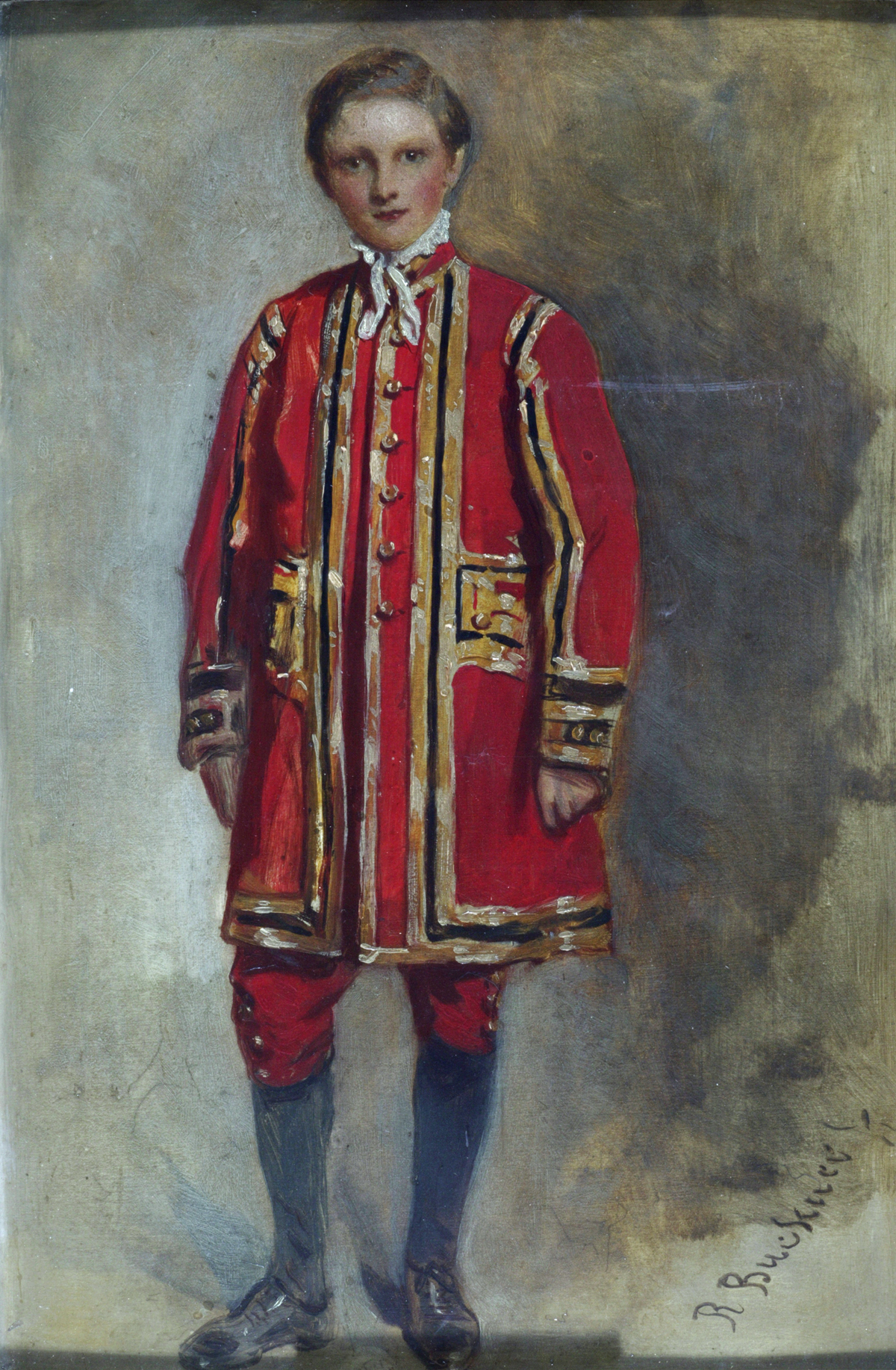


Organization and personnel
The Chapel Royal includes ordained clerics, lay officers and singers. Adult male singers are traditionally known as the Gentlemen of the Chapel; the treble line is supplied by boy choristers known as the Children of the Chapel. The department answers directly to the monarch rather than to a diocesan bishop, and its officers may be appointed to serve at court and at particular royal chapels. Historically the body has included priests who also carried out pastoral and ceremonial roles at royal occasions; the word priests remains associated with some of these posts.
Historical development
Roots of the Chapel Royal reach back to the medieval royal household, when kings and queens maintained a household chapel for private and public devotion. Over the Tudor and later periods the institution became an important center for church music, attracting leading composers and fostering a distinctive repertoire. The Chapel Royal evolved with changes in church and state while retaining specific traditions of liturgy, dress and musical practice.
Buildings and royal peculiars
There are still consecrated royal chapels served by the Chapel Royal. Notably, two chapels at St James’s Palace, near Buckingham Palace in London, continue to be used for regular worship and for certain court services. These chapels are examples of "royal peculiars": institutions that fall outside ordinary diocesan jurisdiction and are subject directly to the monarch rather than to a diocese. That special legal status reflects their historical connection to the court.
Worship, music and calendar
The Chapel Royal’s first duty is to provide regular worship for the sovereign and for the household. Its choir sings weekly services and takes part in state and court ceremonies. Repertoire ranges from plainchant and Tudor polyphony through later Anglican works to contemporary commissions. The choir also sings at festival liturgies and at occasions such as the annual celebration of Epiphany, when symbolic offerings of gold, frankincense and myrrh have traditionally been presented on behalf of the sovereign, whether a king or a queen.
Choir life and training
The Children of the Chapel are trained to sing complex repertoire and to take part in both liturgical and ceremonial duties. Historically choristers were educated within the royal household; in modern times they often combine specialist musical education with broader schooling. The Gentlemen of the Chapel are professional adult singers who cover the lower voices and cathedral-style repertoire, and they may be drawn from a small, specialist pool of singers.
Ceremony, commissions and musical influence
Beyond daily worship, the Chapel Royal has played a role in coronations, state funerals and other high ceremonial acts connected to the life of the sovereign. It has commissioned and inspired important works of sacred music across several periods. Although the names of individual composers and works are part of musical history, the broader influence of the Chapel Royal is seen in the continuity of court repertoire and the maintenance of high standards in chapel music.
Public access and contemporary role
Some services at royal chapels are open to the public at specified times, allowing visitors to attend regular worship. At St James’s Palace the chapels normally hold public services on Sundays except during certain months of the year; otherwise they are chiefly used for royal and private court occasions. The Chapel Royal continues to adapt its ceremonial and musical functions to contemporary needs while preserving a link to long-standing traditions of worship and service to the monarch.
Further reading and references
The history and functions of the Chapel Royal span many centuries and intersect ecclesiastical, musical and royal history. Readers seeking fuller accounts may consult specialist works on English church music, studies of the royal household and histories of royal peculiars. For official information about services and visiting, enquiries are normally directed to the institutions that administer the royal chapels near Buckingham Palace and at St James’s. For ceremonial contexts and wider Anglican practice scholars look to both liturgical sources and musical archives.
Summary: the Chapel Royal remains a distinctive institution that combines clerical office, choral tradition and direct service to the monarch, continuing to supply worship, music and ceremonial presence at the heart of court life in the United Kingdom.
Questions and answers
Q: What is the Chapel Royal?
A: The Chapel Royal is a department of the monarch's household in the United Kingdom.
Q: What is the correct name for the choirs of the Chapel Royal?
A: The correct name for these choirs is the Gentlemen of the Chapel.
Q: Who are the Gentlemen of the Chapel?
A: The Gentlemen of the Chapel are a group of priests and singers who sing church services for the British monarch (king or queen).
Q: Who helps the Gentlemen of the Chapel?
A: The Gentlemen of the Chapel are helped by young boy singers called choristers or Children of the Chapel.
Q: What are the two consecrated buildings at St James’s Palace?
A: The two consecrated buildings at St James’s Palace are chapels served by the Chapel Royal.
Q: Why are the chapels at St James’s Palace called “royal peculiars”?
A: The chapels at St James’s Palace are called “royal peculiars” because they do not belong to the diocese (group of churches in a district).
Q: When are services held at the Chapel Royal and who can attend?
A: Services are held every Sunday except during August and September, and members of the public are welcome to attend. This is the only time that the public can go into the royal chapels.
Related articles
Author
AlegsaOnline.com Chapel Royal — the monarch's ecclesiastical household (United Kingdom) Leandro Alegsa
URL: https://en.alegsaonline.com/art/18599