
Advent (Christian liturgical season)
Advent is the liturgical season observed by many Christian churches in anticipation of Christmas and the Second Coming, marked by prayer, readings, wreaths, calendars and special liturgies.
Overview
Advent is a season observed in many Western Christian traditions as a time of expectant preparation for Christmas and reflection on Christ's promised return. The word "Advent" comes from the Latin adventus, meaning "coming" or "arrival." It ordinarily begins on the fourth Sunday before Christmas and lasts until Christmas Eve, spanning roughly four weeks. The season balances two complementary emphases: remembrance of the first coming of Jesus at Bethlehem and longing for his Second Coming in the future.
Image gallery
10 Images



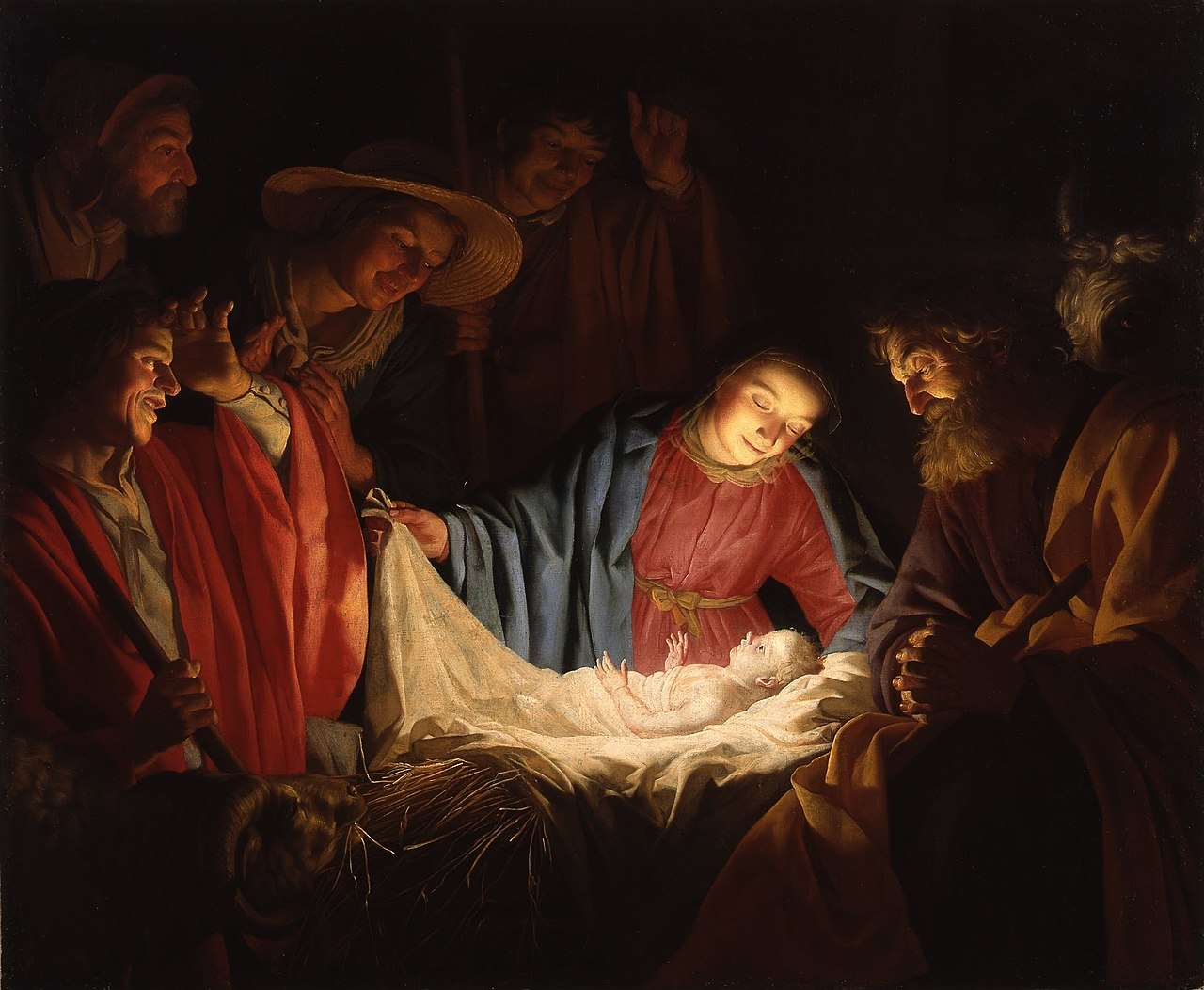


Origins and development
The practices associated with Advent developed over many centuries. Early Christian communities prepared for major feasts with periods of fasting and prayer; by the medieval period, a season of preparation before Christmas was recognized in the West. Modern popular customs such as the Advent wreath and the Advent calendar emerged later, largely in 19th‑century German Protestant contexts and were popularized more widely in the 20th century. Liturgical calendars and local traditions shaped how different churches counted and observed the days before Christmas.
Common observances and practices
Advent is observed in diverse ways across denominations, but several practices are widely found:
- Worship and special readings that emphasize prophecy, waiting, and hope.
- Lighting candles in an Advent wreath—typically four candles, one for each Sunday, with a fifth candle sometimes added for Christmas Day.
- Use of penitential or expectant liturgical colors, commonly violet (or blue in some traditions), with a rose or pink candle on the third Sunday (Gaudete Sunday) to mark rejoicing.
- Daily devotional readings, charitable acts, singing of hymns and anthems suited to the season.
- Advent calendars for children and families that count down the days with pictures, Bible verses or small treats.
Symbols and liturgical features
The Advent wreath—a ring of evergreen with four candles—is one of the season's most recognizable symbols. The evergreen signifies eternal life, while the cycle of lighting candles each week visually represents growing light and expectation. Churches often adapt liturgical texts and music to focus on prophecy, preparation, penance, and joy. Sermons and readings commonly draw on Old Testament promises of a coming ruler as well as New Testament texts about Christ's nativity and final return.
Variations and notable distinctions
Not all Christian communities observe Advent in the same way. Roman Catholic, Anglican (Episcopal), Lutheran, Methodist and many Reformed churches mark Advent as part of the church year with formal liturgies. Some Protestant groups give it less emphasis or observe different customs. Eastern Orthodox churches do not follow the Western Advent calendar; instead many observe a Nativity Fast beginning in mid‑November and use different liturgical rhythms and fasting practices.
Across cultures the season blends public preparation for Christmas—decorating, music, and communal services—with quieter spiritual practices such as prayer, study, and fasting. For many believers Advent serves as a time to cultivate patience, hope, and charity before the celebration of Christmas.
Further reading and resources
- When Advent begins
- Purpose and themes of Advent
- Nativity and historical context
- Christmas connection
- Second Coming teachings
- Biblical promises and prophecy
- Symbolism of light in Christianity
- Denominational differences
- Fasting and penitential practices
- Study resources for Advent
- Meditation and prayer guides
- Prayer resources for the season
- Advent calendars and traditions
- Preparations for Christmas
- Gift and charitable practices
- Advent candles and liturgical items
Related articles
Author
AlegsaOnline.com Advent (Christian liturgical season) Leandro Alegsa
URL: https://en.alegsaonline.com/art/1107