
Bob Denard: French mercenary and key actor in post‑war African coups
Profile of Robert 'Bob' Denard (1929–2007), a French mercenary known for interventions in Africa—especially the Comoros—his military background, methods, controversies, and legacy.
Robert "Bob" Denard (1929–2007) was a French soldier of fortune whose name became synonymous with mercenary activity in the decades after World War II. Known widely by the sobriquet "Colonel" and by several aliases, he served in conventional military forces before directing and participating in numerous armed interventions across Africa. Denard's life combined professional soldiering, private military operations, and political intrigue; he remains a controversial figure because of his repeated involvement in coups, his shifting personal allegiances, and the unresolved questions about links between mercenary groups and state services.
Image gallery
2 Images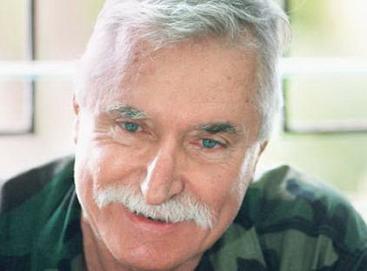
Early life and military background
Born in Bordeaux in 1929, Denard began his career in the French armed forces. He fought in the post‑war conflicts in Indochina and later in Algeria, experiences that shaped his tactical approach and recruited network. After a period in French law enforcement roles, including service in Morocco, he moved into private military work. During these years he gathered contacts among former paratroopers, colonial veterans and local forces, which formed the core of the units he later led abroad.
Mercenary career and the Comoros
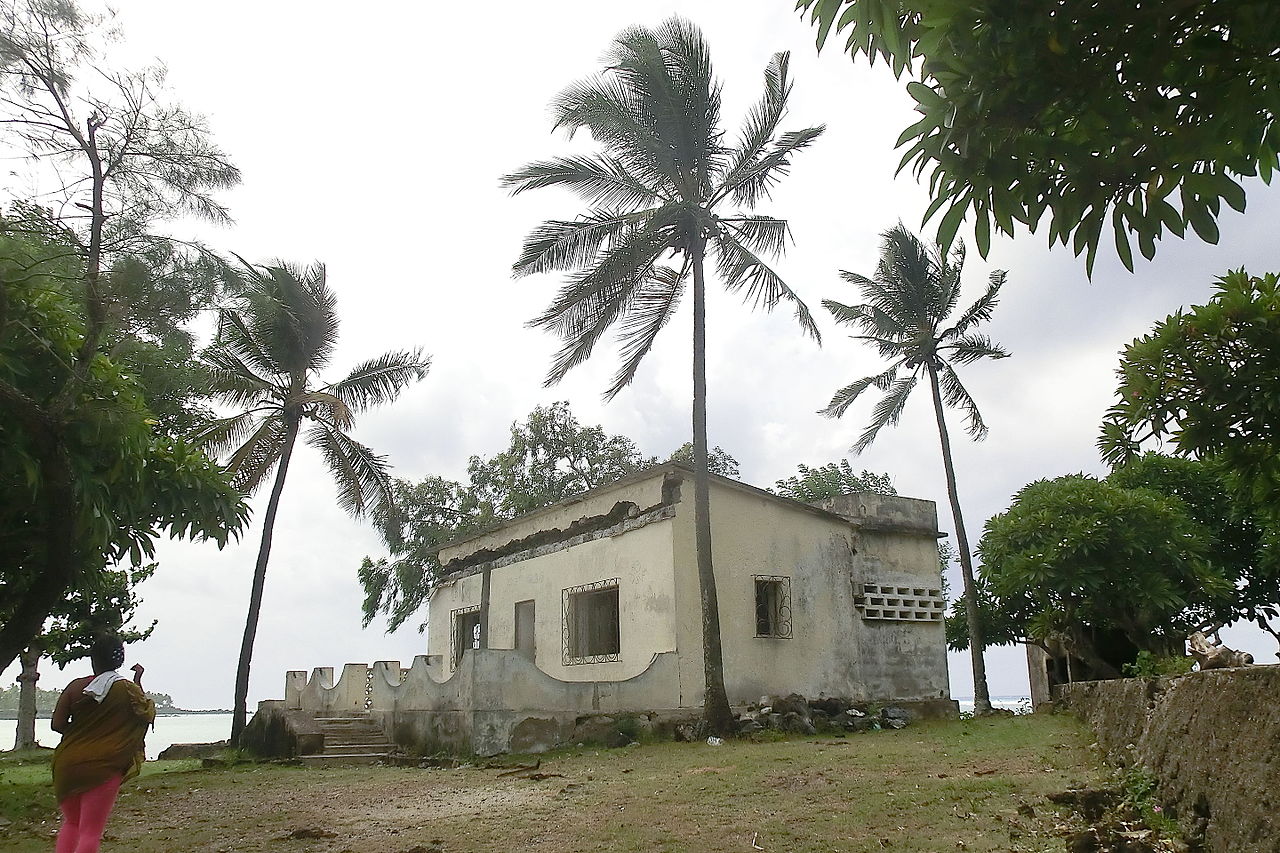
From the 1960s onward Denard operated in several African theatres, including the Congo, Angola, Rhodesia and Gabon, but his most sustained activity was in the Comoros archipelago. There he was implicated in a succession of coups and power plays that altered the islands' post‑independence trajectory. His interventions typically combined a small, disciplined core of foreign volunteers with local recruits and relied on rapid, decisive strikes to seize key installations. These operations drew international attention and prompted questions about the ethics and legality of private military action in newly independent states.
Methods, organization and controversies
Denard's operations emphasized mobility, surprise and the use of a compact professional force rather than large conventional armies. He used aliases and sometimes changed his declared religion and personal status; contemporary accounts note several conversions and marriages over his lifetime. Allegations persisted that he had informal ties to intelligence services, and some critics argued that European governments tacitly tolerated—if not encouraged—mercenary interventions that served Cold War or post‑colonial interests. Denard was also detained and tried at various times, and his career highlighted the blurred line between private enterprise and state policy.
Personal life and legacy
Privately, Denard married multiple times and fathered several children. Reports indicate changes in religious identification and, during parts of his life, personal practices that reflected local customs where he lived and worked. In later years he suffered from dementia and died in 2007. His legacy is mixed: to some he was a skilled soldier who stabilized fragile regimes; to others he was an opportunist whose interventions undermined sovereignty and rule of law. Historians and journalists continue to study his career as a window into post‑war mercenary activity and the politics of intervention.
Further information and sources
- Birth and early records
- Timeline of key events
- Bordeaux and background
- Date of death
- Obituaries and memorials
- Nationality and service
- Mercenary activities overview
- Post‑WWII mercenaries context
- Service in Indochina
- Service in Algeria
- Work in Morocco
- Operations in the Congo
- Angola engagements
- Rhodesia period
- Gabon operations
- The Comoros interventions
- Accounts of religious conversions
- Later religious affiliations
- Personal life and marriages
- Health and final years
Readers interested in the broader implications of Denard's career will find it useful to consult works on private military contractors, post‑colonial African politics, and Cold War clandestine operations. His life illustrates how individual adventurers operated at the margins of formal state power and how those actions could have lasting political consequences.
Related articles
Author
AlegsaOnline.com Bob Denard: French mercenary and key actor in post‑war African coups Leandro Alegsa
URL: https://en.alegsaonline.com/art/12483